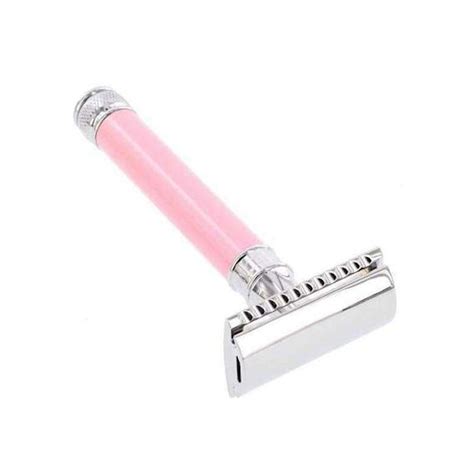





Pro tips to eliminate ingrown hairs for a consistently smooth, performance-ready shave?

Mastering the Smooth Shave: Banish Ingrown Hairs Permanently
For anyone serious about their grooming, a consistently smooth, irritation-free shave isn’t just a luxury; it’s a necessity. Ingrown hairs, those vexing bumps that appear after shaving, can derail even the most meticulous routine, causing discomfort and marring an otherwise impeccable appearance. Fortunately, with the right knowledge and a few professional-grade techniques, you can effectively prevent and eliminate these nuisances, paving the way for a truly performance-ready complexion.
Understanding the Enemy: What Are Ingrown Hairs?
An ingrown hair occurs when a hair, instead of growing outward from the follicle, curls back or grows sideways into the skin. This often happens after shaving, waxing, or plucking, as the new hair has a sharp tip. The body perceives this trapped hair as a foreign object, triggering an inflammatory response that results in a red, itchy, and sometimes painful bump, often accompanied by pus. While common, they are entirely preventable with a strategic approach.

The Pre-Shave Protocol: Laying the Foundation for Flawless Skin
The secret to preventing ingrown hairs begins before the blade even touches your skin. Proper preparation is paramount.
- Exfoliate Regularly: Dead skin cells can clog pores and trap emerging hairs. Incorporate a gentle facial scrub or a chemical exfoliant (like salicylic or glycolic acid) into your routine 2-3 times a week. On shave day, exfoliate gently to lift hairs and clear the path.
- Warm Up: Shave after a warm shower or by applying a hot, damp towel to your face for a few minutes. Heat and steam soften both skin and hair, making them more pliable and easier to cut.
- Cleanse Thoroughly: Use a mild facial cleanser to remove dirt, oil, and bacteria. This reduces the risk of infection if an ingrown hair does occur.
Precision Shaving: Technique That Makes the Difference
Your shaving technique is perhaps the most critical factor in preventing ingrown hairs.
- Use a Sharp Blade: A dull blade tugs at hair, increasing the likelihood of it curling back into the skin. Always use a fresh, sharp razor blade. Consider single-blade razors or safety razors, which cut hair at skin level rather than below, reducing the chance of ingrowth.
- Hydrate and Lubricate: Apply a high-quality shaving cream or gel that creates a rich, protective lather. This minimizes friction and helps the razor glide smoothly. Let it sit for a minute or two to further soften hairs.
- Shave with the Grain: This is non-negotiable for ingrown hair prevention. Shaving against the grain cuts the hair too short and at an angle that encourages it to burrow back into the skin. Identify your hair growth pattern and always shave in the direction your hair grows.
- Light Touch, Fewer Passes: Avoid pressing too hard, which can irritate the skin. Use light, even strokes. Minimize the number of passes over the same area to reduce irritation.
- Rinse Your Razor Frequently: Clogged blades are inefficient. Rinse your razor under hot water after every couple of strokes to keep it clear of hair and shaving cream.

The Post-Shave Perfection: Soothe and Protect
What you do immediately after shaving is just as important as your preparation and technique.
- Cold Rinse: After shaving, rinse your face with cold water to close pores and soothe the skin.
- Apply a Soothing Balm: Follow with an alcohol-free aftershave balm or moisturizer. Look for ingredients like aloe vera, witch hazel, or chamomile, which reduce redness and inflammation.
- Targeted Ingrown Hair Treatments: For persistent issues, use a dedicated ingrown hair serum or lotion containing ingredients like salicylic acid or glycolic acid. These gently exfoliate and keep follicles clear. Apply daily, even on non-shave days.

Dealing with Existing Ingrown Hairs: Gentle Correction
If an ingrown hair still appears, resist the urge to pick or squeeze, as this can lead to infection and scarring.
- Warm Compress: Apply a warm, damp compress to the area for 10-15 minutes, several times a day. This can help soften the skin and encourage the hair to emerge naturally.
- Gentle Exfoliation: Continue with gentle exfoliation to help free the trapped hair.
- Sterile Tools Only: If the hair is visible and very close to the surface, you may carefully lift it with sterile tweezers or a needle. Do not dig for the hair; only lift it once it’s already exposed. Disinfect the area afterward.
- Topical Treatments: Over-the-counter creams with hydrocortisone can reduce inflammation, while an antibiotic cream can prevent infection if the bump is open.
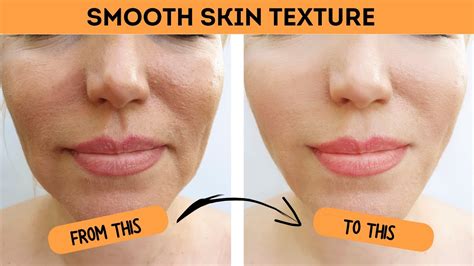
Long-Term Strategies for Consistent Smoothness
Consistency is key. Adhering to this comprehensive routine will drastically reduce and eventually eliminate ingrown hairs. Consider giving your skin a break from shaving occasionally, or exploring alternative hair removal methods like electric shavers (which cut hair less closely), depilatory creams, or even laser hair removal if ingrown hairs remain a significant problem.
By implementing these pro tips, you’re not just shaving; you’re cultivating a strategic grooming regimen that ensures a consistently smooth, comfortable, and performance-ready shave every single time. Say goodbye to bumps and hello to effortlessly refined skin.