




Prevent ingrown hairs & razor burn for a consistently sharp, confident look?

Achieving a Flawless Shave: Bidding Farewell to Ingrown Hairs and Razor Burn
For many, the ritual of shaving is a necessary evil, often leading to frustrating side effects like painful ingrown hairs and fiery razor burn. These common grooming woes not only detract from a clean-shaven aesthetic but can also cause discomfort and skin irritation. Fortunately, with the right knowledge and a few adjustments to your routine, you can transform your shaving experience into a smooth, irritation-free endeavor, guaranteeing a consistently sharp and confident look.
Understanding Your Enemy: What Causes Ingrown Hairs and Razor Burn?
Before tackling prevention, it’s crucial to understand what you’re up against. Ingrown hairs occur when a shaved hair curls back into the skin and grows inwards, leading to red, itchy bumps, sometimes with pus. This is particularly common in individuals with curly or coarse hair. Razor burn, on the other hand, is an immediate irritation caused by shaving too aggressively, using a dull blade, or shaving dry skin. It manifests as redness, stinging, and sometimes small, irritated bumps.

The Pre-Shave Ritual: Laying the Foundation for Comfort
Preparation is paramount. A good pre-shave routine softens hairs, opens pores, and lubricates the skin, significantly reducing the risk of irritation.
Exfoliation is Key
Start by gently exfoliating your skin 2-3 times a week, and always before shaving. Exfoliation removes dead skin cells that can trap hairs, making them prone to becoming ingrown. Use a mild facial scrub or an exfoliating brush to clear the path for your razor.
Prepare Your Skin and Hair
Always shave after a hot shower or by applying a warm, damp towel to your face for a few minutes. The steam helps to soften the hair follicles and open up pores. Follow this with a quality pre-shave oil, which creates a protective barrier between your skin and the razor, allowing for a smoother glide.

The Shave Itself: Technique Makes All the Difference
Your shaving technique and tools are critical in preventing post-shave issues.
Choose the Right Tools
Invest in a high-quality razor with sharp blades. Dull blades drag and tug at the hair, leading to irritation. Replace cartridges regularly (every 5-7 shaves, depending on frequency and beard thickness). Pair your razor with a rich, lubricating shaving cream or gel, allowing it to sit on your skin for a minute or two before shaving to further soften the hairs.
Shaving Technique
Always shave with the grain (in the direction your hair grows) first. If you need a closer shave, reapply lather and shave across the grain, never against it, especially if you’re prone to ingrown hairs or razor burn. Use light, short strokes and avoid applying excessive pressure. Rinse your blade frequently to prevent hair and cream buildup, which can tug at the skin.

Post-Shave Care: Soothe, Protect, and Prevent
The steps you take immediately after shaving are just as important as your preparation.
Rinse and Soothe
Rinse your face with cold water to close pores and remove any remaining shaving cream. Gently pat your skin dry with a clean towel – never rub. Follow up with an alcohol-free aftershave balm or lotion. These products soothe irritation, reduce redness, and provide essential hydration without drying out your skin.
Moisturize Regularly
Keep your skin hydrated daily, even on non-shaving days. A good moisturizer maintains skin elasticity and health, making it more resilient against irritation and helping hairs grow outwards correctly. Look for products containing ingredients like aloe vera, glycerin, or hyaluronic acid.

Advanced Tips and Troubleshooting
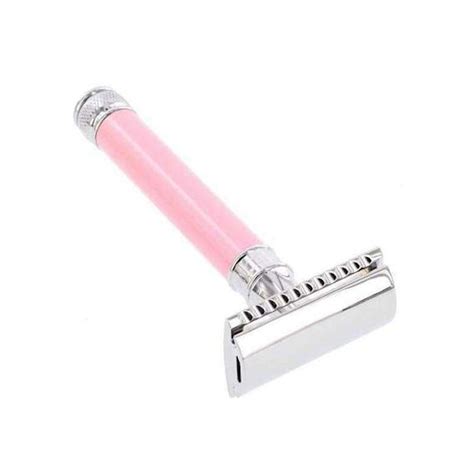
If you’re still struggling, consider these additional measures. For extremely sensitive skin or persistent ingrown hairs, an electric shaver might be a gentler alternative, or explore single-blade safety razors which can minimize irritation by cutting hair at skin level rather than below it. If you do get an ingrown hair, avoid picking or squeezing it. Instead, apply a warm compress and use a product with salicylic acid to help exfoliate and free the trapped hair. For severe or recurring issues, consult a dermatologist.

Embrace a Smoother Future
Preventing ingrown hairs and razor burn isn’t just about looking good; it’s about feeling comfortable and confident in your own skin. By adopting a comprehensive grooming routine that prioritizes preparation, proper technique, and thoughtful aftercare, you can banish these common annoyances for good. Embrace these practices, and enjoy the consistently sharp, smooth, and confident look you deserve.