





Prevent energy crashes: What daily nutrition optimizes focus and sustains peak performance?

The Quest for Sustained Energy and Unwavering Focus
In today’s fast-paced world, an energy crash can feel like a devastating roadblock, derailing productivity and mental clarity. While many resort to quick fixes like excessive caffeine or sugary snacks, the true secret to sustained peak performance and optimal focus lies in strategic daily nutrition. It’s not about fleeting boosts, but about building a nutritional foundation that fuels your body and brain consistently throughout the day.
Understanding which foods to prioritize and why they matter is crucial for anyone looking to escape the cycle of energy peaks and valleys. By making deliberate choices, you can stabilize blood sugar, nourish your brain, and maintain a vibrant energy level that supports both physical and cognitive demands.

The Pillars of Energy-Optimizing Nutrition
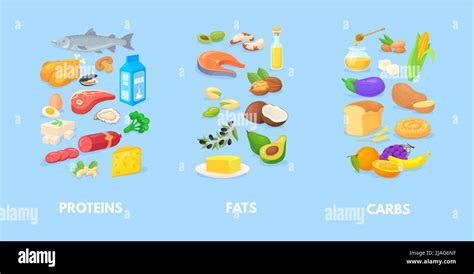
Achieving stable energy and sharp focus hinges on a balanced intake of macronutrients (carbohydrates, proteins, fats) and a rich supply of essential micronutrients.
1. Smart Carbohydrates for Steady Fuel
Carbohydrates are your body’s primary energy source, but not all carbs are created equal. Opt for complex carbohydrates over simple sugars. Complex carbs, found in whole grains (oats, quinoa, brown rice), legumes, and starchy vegetables, are digested slowly, providing a gradual and sustained release of glucose into the bloodstream. This prevents the sharp spikes and subsequent crashes associated with refined sugars and white flour products. The fiber in these foods further aids in blood sugar regulation and promotes gut health, which has direct links to brain function and mood.
2. Protein for Satiety and Brain Chemistry
Protein is vital for building and repairing tissues, but it also plays a significant role in energy and focus. Consuming adequate protein helps slow down the absorption of carbohydrates, further stabilizing blood sugar. Furthermore, proteins provide the amino acid building blocks for neurotransmitters like dopamine and norepinephrine, which are critical for alertness, motivation, and concentration. Include lean protein sources like chicken, fish, eggs, tofu, lentils, and nuts in every meal.
3. Healthy Fats for Lasting Energy and Brain Health
Fats are a concentrated source of energy and are absolutely essential for brain health. Omega-3 fatty acids, found abundantly in fatty fish (salmon, mackerel), chia seeds, flaxseeds, and walnuts, are particularly crucial. They support brain cell membranes, reduce inflammation, and enhance cognitive function, including memory and focus. Incorporate healthy monounsaturated and polyunsaturated fats from avocados, olive oil, and nuts into your diet for sustained energy and cognitive resilience.
Crucial Micronutrients for Cognitive Power
Beyond macronutrients, specific vitamins and minerals are indispensable for preventing fatigue and boosting brain performance.
- B Vitamins: Essential for converting food into energy and for healthy nerve function. Find them in whole grains, leafy greens, eggs, and lean meats.
- Iron: Crucial for oxygen transport to the brain. Deficiency leads to fatigue and impaired cognitive function. Rich sources include red meat, spinach, lentils, and fortified cereals.
- Magnesium: Involved in over 300 enzymatic reactions, including energy production and nerve function. Almonds, spinach, black beans, and avocados are great sources.
- Antioxidants (Vitamins C, E, Selenium): Protect brain cells from oxidative stress and inflammation. Abundant in colorful fruits, vegetables, and nuts.
Hydration: The Unsung Hero of Focus
Even mild dehydration can impair concentration, memory, and mood. Ensure you’re drinking plenty of water throughout the day. Herbal teas and water-rich fruits and vegetables also contribute to your daily fluid intake.

Daily Nutritional Strategies for Optimal Performance
Implementing these principles into your daily routine doesn’t have to be complicated.
- Start Strong with Breakfast: A balanced breakfast containing complex carbs, protein, and healthy fats sets the tone for your day. Think oatmeal with berries and nuts, or scrambled eggs with whole-wheat toast and avocado.
- Graze Smart, Not Gorge: Eating smaller, balanced meals and snacks every 3-4 hours helps maintain stable blood sugar and consistent energy levels.
- Prioritize Whole Foods: Minimize processed foods, sugary drinks, and excessive amounts of refined grains. These often contribute to energy crashes and lack nutritional value.
- Plan Ahead: Meal prepping or having healthy snacks readily available prevents impulsive, unhealthy choices when hunger strikes.
- Listen to Your Body: Pay attention to how different foods affect your energy and focus. Everyone’s body is unique.

Beyond the Plate: Lifestyle Factors
While nutrition is paramount, remember that it works in tandem with other lifestyle factors. Adequate sleep, regular physical activity, and stress management are all critical components of sustained energy and peak cognitive function. A holistic approach that integrates mindful eating with these healthy habits will yield the best results.
Conclusion: Fueling Your Potential
Preventing energy crashes and sustaining peak performance is not a mystery; it’s a science-backed outcome of consistent, thoughtful nutritional choices. By focusing on smart carbohydrates, ample protein, healthy fats, and vital micronutrients, coupled with good hydration, you can build a resilient body and a sharp mind. Embrace these daily nutritional habits to unlock your full potential, maintain unwavering focus, and navigate your day with boundless energy.