




Peak physique: What training & nutrition maximizes male muscle gain & fat loss?
For men aiming to achieve a ‘peak physique,’ the journey often involves the challenging yet rewarding goal of simultaneously building muscle and losing fat. This process, known as body recomposition, requires a strategic and disciplined approach to both training and nutrition, moving beyond simple bulking and cutting cycles.
Understanding Body Recomposition for Men
Body recomposition is the art and science of altering your body composition – increasing muscle mass while decreasing body fat – at the same time. While traditionally thought to be difficult, especially for experienced lifters, it is achievable with the right blueprint. It’s particularly effective for individuals new to training, those returning after a break, or anyone with a higher body fat percentage. For men, leveraging hormonal advantages and adhering to specific principles can accelerate this transformation.

Optimal Training Strategies for Muscle Gain and Fat Loss
Prioritize Progressive Overload
The fundamental principle for muscle growth is progressive overload. This means continually challenging your muscles by increasing the weight, reps, sets, or decreasing rest times over time. Your body adapts to stress, so you must consistently provide new, greater stress for continued improvement.
Embrace Compound Lifts
Compound exercises are your best friend. Movements like squats, deadlifts, bench presses, overhead presses, and rows work multiple muscle groups simultaneously, allowing you to lift heavier weights and stimulate greater muscle growth and caloric expenditure. Integrate these into the core of your training routine.
Strategic Volume and Frequency
Aim for a training frequency of 3-5 days per week, hitting each major muscle group 2-3 times per week. A mix of heavier lifting (1-5 reps) for strength and moderate repetitions (6-12 reps) for hypertrophy is ideal. Total weekly volume should be sufficient to stimulate growth without hindering recovery, typically 10-20 working sets per muscle group.
Precision Nutrition for Peak Physique
Caloric Control: The Foundation
To lose fat, you need a calorie deficit; to build muscle, a calorie surplus. For body recomposition, a slight deficit (200-500 calories below maintenance) is often recommended, especially for those with higher body fat. This allows fat loss while signaling your body to retain, and potentially build, muscle when combined with proper training and protein intake.
High Protein Intake is Non-Negotiable
Protein is crucial for muscle repair and growth, and it also aids satiety, which is vital during a calorie deficit. Aim for 1.6-2.2 grams of protein per kilogram of body weight. Distribute your protein intake evenly across meals throughout the day to maximize muscle protein synthesis.
Carbohydrates and Healthy Fats
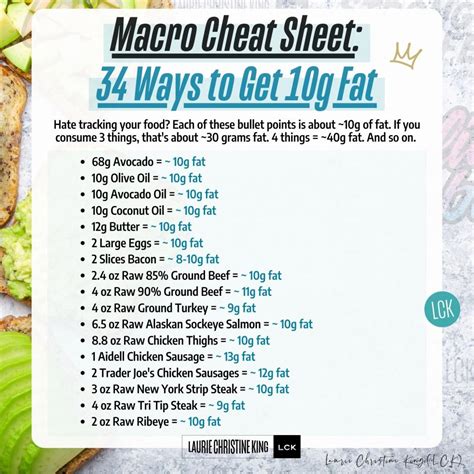
Carbohydrates fuel your workouts and aid recovery. Prioritize complex carbs like whole grains, fruits, and vegetables. Healthy fats are essential for hormone production and overall health. Maintain moderate carb and fat intake, adjusting based on your activity level and individual response. Focus on whole, unprocessed foods as the cornerstone of your diet.

Supplements: The Edge, Not The Core
While nutrition and training are paramount, certain supplements can offer a marginal advantage. Creatine monohydrate is highly effective for strength and muscle gain. Whey protein can help meet your daily protein targets. Caffeine can boost performance and aid fat oxidation. However, remember these are supplements – they support, not replace, a solid foundation.
The Critical Role of Recovery and Consistency
Prioritize Sleep
Muscle growth and fat loss largely occur during recovery. Aim for 7-9 hours of quality sleep per night. Sleep deprivation can impair hormone function, increase cortisol (a stress hormone that promotes fat storage), and hinder muscle repair.
Manage Stress
Chronic stress elevates cortisol, which can sabotage your efforts. Incorporate stress-reducing activities like meditation, yoga, or spending time in nature.
Consistency is Key
Body recomposition is a marathon, not a sprint. Adherence to your training and nutrition plan over weeks and months will yield the best results. Progress isn’t always linear, so stay persistent and trust the process.
Putting It All Together: A Sample Weekly Structure
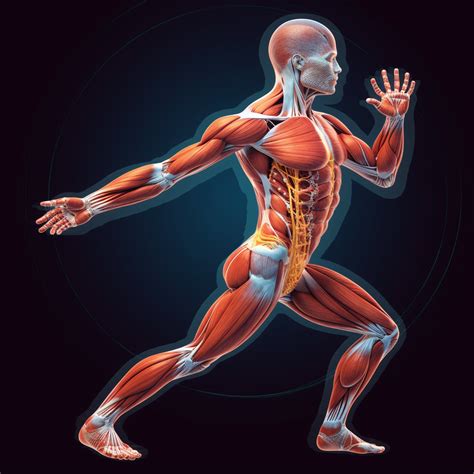
A typical week could involve 3-4 full-body or upper/lower split resistance training sessions, with 1-2 days of moderate-intensity cardio (e.g., brisk walking, incline treadmill) if desired for additional calorie burn. Meals should be balanced, high in protein, with controlled portions of complex carbohydrates and healthy fats. Tracking your intake and progress (photos, measurements, strength gains) is crucial for making informed adjustments.

Conclusion
Achieving a peak physique by maximizing male muscle gain and fat loss simultaneously is an ambitious yet attainable goal. It requires a meticulous, integrated approach to progressive resistance training, a high-protein diet with precise caloric control, adequate recovery, and unwavering consistency. By focusing on these core pillars, men can effectively sculpt a leaner, more muscular physique and unlock their full physical potential.