




Optimizing diet for peak testosterone & energy: what to eat daily?
Fueling Your Body for Optimal Testosterone and Energy
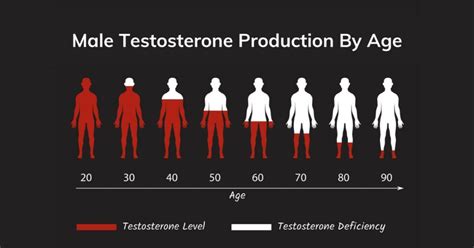
In the quest for peak physical and mental performance, two critical factors often come to the forefront: robust testosterone levels and sustained energy. While exercise and lifestyle play significant roles, the food you consume daily is arguably the most powerful lever you can pull. A well-crafted diet can be a game-changer, influencing everything from hormonal balance to metabolic efficiency.
The Macronutrient Blueprint: Building Blocks for Hormones and Energy
Understanding the right balance of macronutrients – proteins, fats, and carbohydrates – is fundamental to optimizing your diet for testosterone production and unwavering energy.
Quality Proteins: The Foundation
Protein isn’t just for muscle growth; it’s essential for hormone synthesis and provides a steady release of energy without sharp blood sugar spikes. Aim for lean sources at every meal:
- Lean Meats: Chicken breast, turkey, lean beef, sirloin.
- Fish: Salmon, cod, tuna.
- Eggs: Whole eggs are packed with nutrients.
- Legumes: Lentils, chickpeas, black beans.
- Dairy/Alternatives: Greek yogurt, cottage cheese, fortified plant-based milks.
Healthy Fats: Crucial for Hormonal Production
Forget the old fear of fats; healthy fats are non-negotiable for testosterone production, as cholesterol is a precursor to steroid hormones. They also provide concentrated, long-lasting energy.

- Monounsaturated Fats: Avocados, olive oil, almonds.
- Polyunsaturated Fats (Omega-3s): Fatty fish (salmon, mackerel, sardines), flaxseeds, chia seeds, walnuts.
- Saturated Fats (in moderation): From quality animal sources or coconut oil.
Complex Carbohydrates: Sustained Energy
While often demonized, complex carbohydrates are vital for sustained energy, fueling your workouts and brain function. They help prevent energy crashes associated with simple sugars.
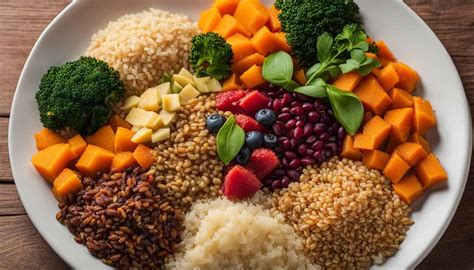
- Whole Grains: Oats, quinoa, brown rice, whole-wheat bread.
- Starchy Vegetables: Sweet potatoes, squash, potatoes.
- Fruits: Berries, apples, bananas.
Micronutrients That Matter: Vitamins and Minerals
Beyond macros, specific micronutrients play direct roles in testosterone synthesis and energy metabolism.
Vitamin D: The Sunshine Hormone
Often considered a hormone itself, Vitamin D is directly linked to testosterone levels. Sun exposure is ideal, but dietary sources and supplementation are important, especially in less sunny climates.
- Sources: Fatty fish, fortified dairy, egg yolks.
Zinc: A Testosterone Powerhouse
Zinc is critical for testosterone production and overall immune function. Deficiency can lead to lower T-levels.
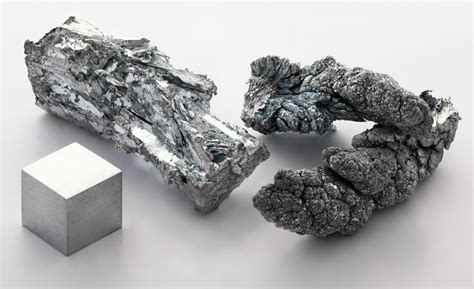
- Sources: Oysters (the best source), red meat, pumpkin seeds, lentils, spinach.
Magnesium: Energy and Recovery
Magnesium plays a role in over 300 enzymatic reactions, including those involved in energy production and muscle function. It can also help improve sleep, indirectly supporting hormone health.
- Sources: Dark leafy greens (spinach, kale), nuts (almonds, cashews), seeds (pumpkin, chia), legumes, dark chocolate.
B Vitamins: Metabolic Catalysts
B vitamins, particularly B6 and B12, are essential cofactors in energy metabolism and can influence neurotransmitter production, affecting mood and energy.
- Sources: Whole grains, meat, eggs, dairy, leafy greens.
Your Daily Plate: Foods to Prioritize
Here’s a practical guide to incorporating these nutrients into your daily meals:
- Breakfast: Oatmeal with berries, nuts/seeds, and a scoop of protein powder or Greek yogurt with fruit and a sprinkle of pumpkin seeds.
- Lunch: Large salad with lean protein (chicken, salmon), avocado, mixed greens, and a light olive oil dressing. Or a whole-wheat wrap with turkey and plenty of vegetables.
- Dinner: Baked salmon or lean beef with a generous serving of roasted sweet potatoes and steamed spinach or broccoli.
- Snacks: A handful of almonds, an apple with peanut butter, hard-boiled eggs, or a small bowl of cottage cheese.
Foods to Limit or Avoid for Optimal Health
Just as important as what you eat is what you should cut back on:
- Processed Foods: High in unhealthy fats, sugar, and sodium, they offer little nutritional value and can negatively impact hormone balance.
- Sugary Drinks: Sodas and fruit juices (with added sugar) lead to blood sugar spikes and crashes, contributing to fat gain and metabolic dysfunction.
- Excessive Alcohol: Can impair liver function, disrupt sleep, and directly lower testosterone levels.
- Trans Fats: Found in many fried foods and baked goods, these are detrimental to cardiovascular and hormonal health.
Beyond Food: Hydration and Meal Timing
Two often-overlooked aspects of diet optimization are:
- Hydration: Dehydration can impact energy levels and metabolic processes. Aim for 8-10 glasses of water daily, more if you’re active.
- Regular Meals: Eating consistently throughout the day (3 main meals and 1-2 healthy snacks) helps stabilize blood sugar, maintain energy, and prevent overeating.

Conclusion
Optimizing your diet for peak testosterone and energy isn’t about restrictive eating; it’s about making smart, consistent choices that nourish your body at a cellular level. By prioritizing lean proteins, healthy fats, complex carbohydrates, and key micronutrients, while limiting processed foods, you can naturally enhance your hormonal health, sustain high energy levels, and ultimately improve your overall well-being. Start making these daily dietary shifts, and feel the difference.