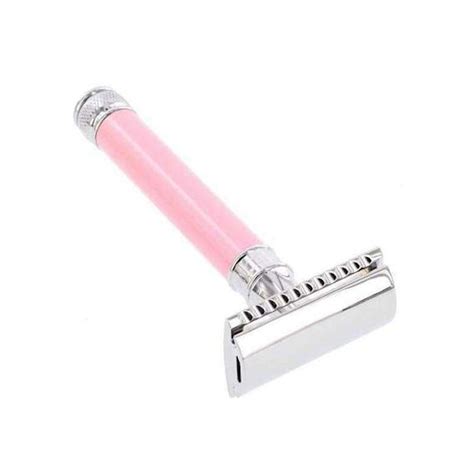





Optimize your shave: prevent razor burn & ingrown hairs for a sharp, peak look?
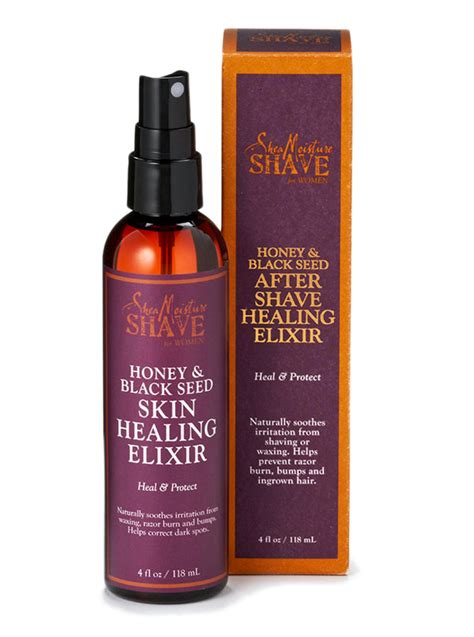
The Quest for an Irritation-Free Shave
For many, shaving is a daily ritual, but it often comes with unwelcome guests: razor burn and ingrown hairs. These common skin irritations can turn a routine act into a painful chore, detracting from that sharp, peak look you desire. The good news? With the right knowledge and a few simple adjustments to your routine, you can achieve a consistently smooth, comfortable shave that leaves your skin looking and feeling its best.
This article will guide you through understanding why these issues occur and, more importantly, how to prevent them with a comprehensive approach to pre-shave preparation, proper shaving technique, and crucial post-shave care.
Understanding the Enemy: Razor Burn & Ingrown Hairs
What is Razor Burn?
Razor burn, also known as pseudofolliculitis barbae, is an irritation of the skin caused by shaving. It typically appears as a red, inflamed rash, often accompanied by stinging, itching, and tenderness. It’s usually a result of improper shaving techniques, such as shaving against the grain, using dull blades, applying too much pressure, or shaving dry skin.
What are Ingrown Hairs?
Ingrown hairs occur when a shaved hair strand curls back or grows sideways into the skin instead of growing out. This can cause red, itchy bumps, sometimes with a visible hair trapped underneath, and can even lead to infection. Ingrown hairs are more common in people with curly or coarse hair, but anyone can experience them if hair follicles become blocked or if the hair is cut too short, allowing it to retract beneath the skin’s surface.
The Ultimate Pre-Shave Ritual
Preparation is paramount. A good pre-shave routine softens the hair and prepares the skin, making for an easier, smoother shave and significantly reducing the risk of irritation.
- Cleanse Your Face: Start with a gentle face wash to remove dirt, oil, and dead skin cells. This cleans the surface and prevents bacteria from entering pores during shaving.
- Exfoliate (Gently): Once or twice a week, use a mild facial scrub to remove dead skin cells that can trap hairs. Don’t overdo it, as aggressive exfoliation can sensitize the skin.
- Warm Water & Steam: The best way to soften your whiskers is with warm water. Shave after a hot shower, or apply a warm, damp towel to your face for a few minutes. This opens pores and relaxes hair follicles.

Master Your Shaving Technique
The actual act of shaving requires precision and the right tools. Your technique can make all the difference between a clean shave and irritated skin.
The Right Tools Matter
- Sharp Razor Blade: This is non-negotiable. A dull blade tugs at hair, leading to irritation and requiring multiple passes. Change your blade every 5-7 shaves, or sooner if you feel resistance.
- Quality Shaving Cream/Gel: A rich, lubricating lather creates a protective barrier, reduces friction, and allows the razor to glide smoothly. Opt for products with moisturizing ingredients and avoid those with excessive alcohol or strong fragrances if you have sensitive skin.
Direction Matters: Shave With the Grain
Always shave with the grain (in the direction your hair grows) for the first pass. This minimizes tugging and irritation. If you need a closer shave, reapply lather and go across the grain, or very carefully against the grain on the second pass, but only if your skin can tolerate it.
Light Touch, Few Passes
Let the razor do the work. Apply minimal pressure. Pressing too hard can cause the blade to dig into the skin, leading to nicks and irritation. Make short, deliberate strokes and rinse your blade frequently after every few strokes to remove accumulated hair and cream.

Essential Post-Shave Care
What you do immediately after shaving is just as important as your prep and technique.
- Rinse with Cold Water: After you’ve finished shaving, rinse your face thoroughly with cool water. This helps to close pores and soothe the skin, reducing redness.
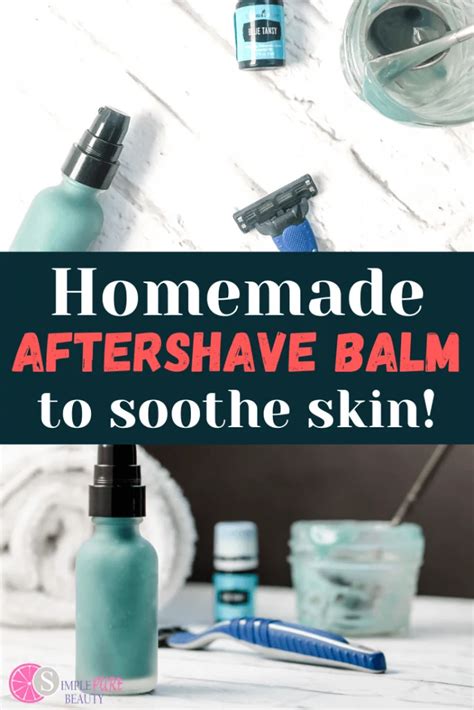
- Apply a Soothing Aftershave Balm: Skip alcohol-based aftershaves, which can dry out and irritate the skin. Instead, opt for a hydrating, alcohol-free aftershave balm or lotion containing ingredients like aloe vera, witch hazel, or chamomile to calm and moisturize.
- Moisturize: Even if your aftershave has moisturizing properties, a separate facial moisturizer can provide an extra layer of hydration, especially for dry skin types.
Advanced Tips & Troubleshooting
If you’re still struggling, consider these additional strategies:
Regular Exfoliation (But Gentle)
As mentioned, regular gentle exfoliation (physical or chemical, like with salicylic acid) can help prevent ingrown hairs by keeping follicles clear. Just be careful not to exfoliate immediately before or after shaving if your skin is sensitive.
Consider Your Razor Type
While multi-blade razors offer a close shave, they can sometimes cut hair below the skin’s surface, increasing the risk of ingrowns. A single-blade safety razor or an electric shaver might be a better option for those prone to severe irritation or ingrown hairs, as they tend to cut the hair at the skin’s surface.
When to Seek Professional Advice
If persistent razor burn, painful ingrown hairs, or skin infections continue despite your best efforts, consult a dermatologist. They can offer personalized advice, prescribe topical treatments, or suggest alternative hair removal methods.

Conclusion: Embrace the Smooth
Achieving a smooth, irritation-free shave is not a mystery, but a science. By integrating these practices into your grooming routine – thoughtful preparation, precise technique, and attentive post-shave care – you can transform your shaving experience. Bid farewell to razor burn and ingrown hairs, and confidently step out with a sharp, peak look every single day. Your skin will thank you.