





Optimize workout structure for peak strength and hypertrophy?

Unlocking your full potential for both brute strength and impressive muscle growth isn’t just about showing up to the gym; it’s about intelligent design. The way you structure your workouts – from the micro-level of reps and sets to the macro-level of annual planning – dictates your progress. This article will delve into the critical components of workout structure to help you build a blueprint for peak performance and muscle development.
The Cornerstone: Progressive Overload
At the heart of all effective strength and hypertrophy programs lies progressive overload. This fundamental principle dictates that to continue making gains, you must consistently increase the demands placed on your muscles. This doesn’t just mean lifting heavier; it can also involve increasing reps, sets, training frequency, reducing rest times, or improving technique to handle the same load more efficiently. Without a systematic approach to progressive overload, your muscles will adapt to the current stimulus and cease to grow stronger or larger.

Volume and Intensity: Finding Your Sweet Spot
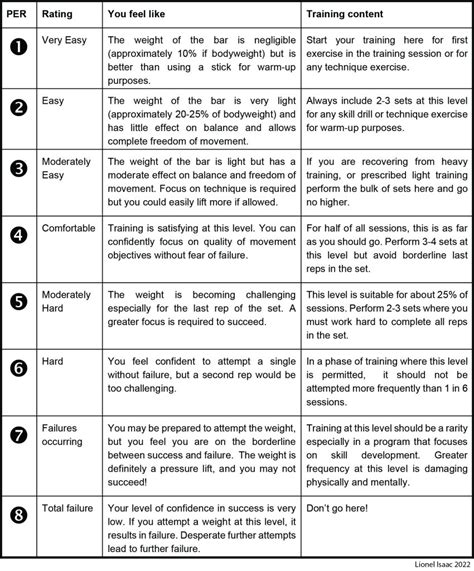
Volume refers to the total amount of work performed (sets x reps x weight), while intensity typically refers to the percentage of your one-repetition maximum (%1RM) used or the proximity to failure (RPE/RIR). For strength, higher intensity (heavier weights, lower reps: 1-5) and moderate volume are often prioritized. For hypertrophy, moderate intensity (moderate weights, higher reps: 6-12) and higher volume tend to be more effective. However, there’s significant overlap, and both strength and hypertrophy can be stimulated across a range of rep schemes, provided the effort is high enough.
Strategic manipulation of these variables is key. For example, a strength block might focus on heavy triples and doubles, while a hypertrophy block might emphasize sets of 8-12 reps. Integrating both, perhaps through undulating periodization, can offer a comprehensive stimulus.
Frequency and Exercise Selection: Optimizing Stimulus
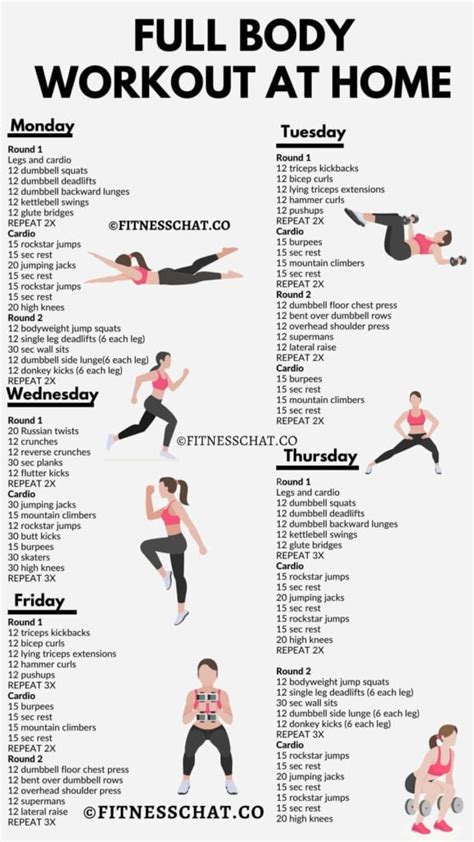
Training frequency refers to how often you train a specific muscle group or movement pattern. For both strength and hypertrophy, training muscle groups 2-3 times per week generally yields superior results compared to once a week. This allows for more opportunities to apply progressive overload and provides a consistent stimulus for protein synthesis. Common splits include full-body, upper/lower, or Push/Pull/Legs (PPL), all of which can facilitate adequate frequency.
Exercise selection is equally crucial. Compound exercises (e.g., squats, deadlifts, bench press, overhead press, rows) should form the backbone of your program. They involve multiple joints and muscle groups, allowing you to lift heavier weights and recruit more muscle fibers, leading to greater systemic adaptations. Isolation exercises (e.g., bicep curls, tricep extensions, lateral raises) can be strategically added to target specific muscles, address weaknesses, or enhance muscle definition.
The Role of Periodization: Long-Term Planning
Periodization is the systematic planning of training, often over months or even years, to maximize performance and prevent overtraining. It involves dividing your training into distinct phases or blocks, each with specific goals. Common models include:
- Linear Periodization: Gradually increases intensity while decreasing volume over time (e.g., hypertrophy phase followed by strength phase, then peak).
- Undulating Periodization (Daily or Weekly): Varies intensity and volume more frequently within a week or microcycle, allowing for simultaneous development of different adaptations (e.g., a heavy strength day, a moderate hypertrophy day, and a power day all within the same week).
Implementing periodization helps manage fatigue, allows for progressive adaptation, and prevents plateaus, ensuring consistent progress towards your strength and hypertrophy goals.
Recovery: The Unsung Hero
Optimal workout structure extends beyond the training itself to include effective recovery strategies. Muscles grow and strengthen during rest, not during the workout. Prioritizing adequate sleep (7-9 hours), sufficient protein intake (1.6-2.2g/kg body weight), and proper hydration are non-negotiable for maximizing results. Incorporating active recovery, stretching, and occasional deload weeks can also help manage cumulative fatigue, reduce injury risk, and prepare your body for the next training cycle.

Crafting Your Optimal Structure
There’s no single ‘best’ workout structure, as individual responses vary. However, a well-optimized plan will likely include:
- A clear focus on progressive overload.
- Appropriate volume and intensity tailored to your current goals (strength, hypertrophy, or a blend).
- A training frequency of 2-3 times per muscle group per week.
- A foundation of compound movements, supplemented by isolation exercises.
- A periodized approach to manage fatigue and ensure long-term progress.
- A strong emphasis on nutrition, sleep, and recovery.
Experiment with different splits (e.g., 3-day full body, 4-day upper/lower, 5-day PPL) and rep schemes, meticulously track your progress, and adjust your structure based on your body’s response. Consistency and adaptability are paramount for sustained gains.

Conclusion
Optimizing your workout structure is an ongoing journey of learning and adaptation. By understanding and applying the principles of progressive overload, intelligent manipulation of volume and intensity, appropriate frequency and exercise selection, strategic periodization, and robust recovery, you can build a highly effective training regimen. This structured approach not only maximizes your potential for peak strength and hypertrophy but also ensures long-term, sustainable progress in your fitness endeavors.