



Optimize training: Which gear truly boosts performance & prevents injury?
The Crucial Role of Athletic Gear in Performance and Safety
In the pursuit of peak physical performance and sustained fitness, athletes often meticulously plan their workouts, nutrition, and recovery. Yet, the significance of appropriate gear is sometimes overlooked or underestimated. It’s not merely about aesthetics; the right equipment can be a game-changer, acting as a crucial line of defense against injury while simultaneously amplifying your inherent capabilities. Understanding which gear genuinely contributes to performance and prevention is key to a smarter, safer, and more effective training journey.
Footwear: The Foundation of Every Movement
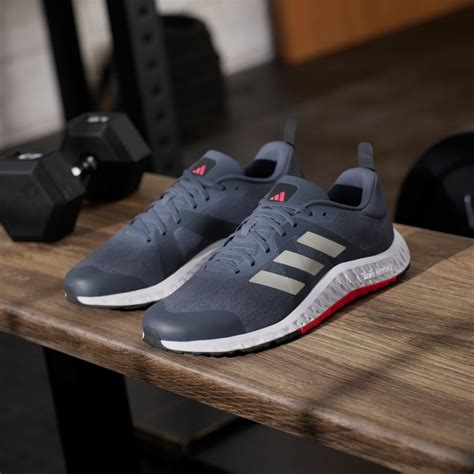
Your feet are the primary point of contact with the ground, making footwear arguably the most critical piece of training gear. Sport-specific shoes are engineered to provide the necessary support, cushioning, and stability for their intended activity. Running shoes, for instance, offer superior shock absorption to protect joints, while weightlifting shoes provide a stable, incompressible base and an elevated heel to improve squatting mechanics and power transfer.
Choosing the correct footwear is paramount for biomechanical efficiency and preventing common issues like shin splints, plantar fasciitis, and ankle sprains. It’s essential to consider your foot type, gait, and the specific demands of your sport. Investing in high-quality, properly fitted shoes can significantly impact your performance by improving balance, power, and reducing fatigue, all while safeguarding your lower extremities.
Supportive Gear: Reinforcing Your Body’s Strengths
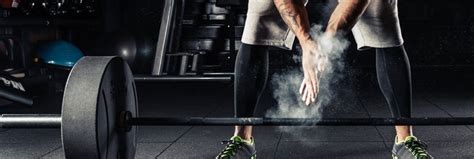
Beyond footwear, various supportive accessories are designed to protect vulnerable areas and enhance performance during intense training. Weightlifting belts, when used correctly, can help brace the core, increase intra-abdominal pressure, and provide lumbar support during heavy lifts, thereby reducing the risk of spinal injury.
Knee sleeves and elbow sleeves offer compression and warmth to joints, which can improve blood flow, reduce discomfort, and provide a sense of stability during movements like squats, presses, and cleans. Wrist wraps can provide crucial support to the wrist joint during pushing or overhead movements, allowing for heavier lifts and protecting against hyperextension. The judicious use of such gear should always complement proper form and technique, not replace it.
Performance Apparel: Beyond Just Comfort
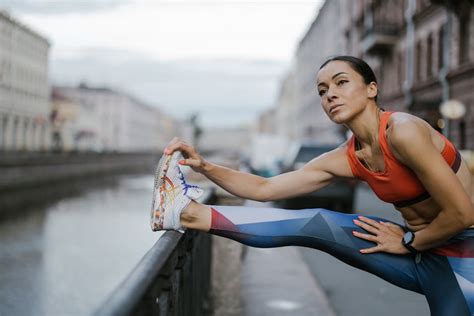
Modern athletic apparel offers benefits far beyond simply covering your body. Moisture-wicking fabrics are designed to draw sweat away from the skin, keeping you dry and comfortable, regulating body temperature, and preventing chafing and irritation that can detract from focus and performance. This seemingly simple feature is vital for endurance athletes and anyone engaging in high-intensity activities.
Compression wear, including tights, socks, and tops, is another category that genuinely boosts performance and aids in recovery. Compression garments are believed to improve blood circulation, reduce muscle oscillation during movement (thereby potentially reducing fatigue and micro-trauma), and accelerate post-exercise recovery by helping to clear metabolic byproducts. While individual experiences vary, many athletes report feeling more supported and recovering faster when using compression gear.
The Smart Approach: Choosing Your Gear Wisely
With an overwhelming array of gear on the market, making informed choices is crucial. The most expensive option isn’t always the best, and what works for one athlete might not work for another. Prioritize fit, comfort, and the specific demands of your activity. Always try on footwear and apparel before purchasing, and consider consulting with specialists or coaches who understand biomechanics and athletic needs.
Research materials, read reviews, and understand the purported benefits of each item. Remember that gear is a tool to enhance your training, not a substitute for proper technique, progressive overload, or adequate rest. Thoughtful selection ensures you’re investing in items that genuinely support your goals and protect your body.
The Synergy of Gear and Technique
Ultimately, the most effective training strategy combines intelligent gear selection with impeccable technique and a well-structured program. Gear can protect, support, and enhance, but it cannot fix fundamental flaws in movement patterns or compensate for a lack of effort. Think of your gear as an extension of your commitment to your sport and your body.
When gear is chosen thoughtfully and used appropriately, it becomes an integral part of an optimized training environment. It allows you to push boundaries safely, recover more effectively, and ultimately achieve higher levels of performance with reduced risk of sidelining injuries.
Conclusion: Investing in Your Training Journey
Optimizing your training goes beyond the reps and sets; it extends to every element that contributes to your physical well-being and performance capacity. Strategic investment in the right gear is an investment in your longevity, safety, and potential as an athlete. By understanding the true benefits of specialized footwear, supportive wear, and performance apparel, you can make choices that truly boost your performance and safeguard your body against the rigors of training, paving the way for sustained success and injury-free progression.