





Optimize training for lean muscle & strength gains with limited gym time?

In today’s fast-paced world, finding ample time for the gym can feel like a luxury. Yet, the desire to build lean muscle and increase strength remains a priority for many. The good news is that you don’t need to live in the gym to see significant results. By adopting smart, efficient training principles, you can make every minute count and progress towards your fitness goals.
The Core Principle: Efficiency First
When time is scarce, efficiency becomes your best friend. This means prioritizing exercises that offer the biggest bang for your buck. Compound movements, which engage multiple muscle groups and joints simultaneously, are superior to isolation exercises for overall strength and muscle development. Think squats, deadlifts, bench presses, overhead presses, and rows. These movements allow you to lift heavier weights, stimulate more muscle fibers, and burn more calories in less time.
Coupled with compound exercises, the principle of progressive overload is paramount. To continue gaining strength and muscle, you must consistently challenge your body. This could mean lifting slightly heavier weights, performing more repetitions with the same weight, increasing the number of sets, or reducing rest times. Always strive to do a little more than last time, even if it’s just one extra rep or a tiny weight increment.

Workout Structure for Time-Crunchers
For individuals with limited gym time (e.g., 2-3 sessions per week), full-body workouts are often the most effective approach. This allows you to hit all major muscle groups multiple times per week, maximizing muscle protein synthesis and recovery. Each session should focus on a selection of 4-6 compound exercises, targeting different movement patterns (push, pull, lower body).
To further condense your workouts, consider incorporating techniques like supersets or giant sets. Supersets involve performing two exercises back-to-back with minimal rest in between (e.g., bench press followed immediately by bent-over rows). Giant sets extend this to three or more exercises. These methods increase the intensity and density of your training, allowing you to get more work done in less time, provided your form doesn’t suffer.
Maximizing Every Rep and Set
Since your time is limited, the quality of each rep and set becomes critical. Focus on proper form and execution over simply moving weight. A controlled, deliberate tempo, including a brief pause at the peak contraction and a slow eccentric (lowering) phase, can significantly enhance muscle activation and growth. This deep mind-muscle connection ensures that the target muscles are doing the work, not just momentum or secondary muscles.
Rest periods should be optimized – long enough to recover adequately for the next set, but not so long that your heart rate completely drops. For strength and hypertrophy, 60-90 seconds between sets for compound movements is generally effective. For supersets, rest only after completing both exercises in the pair.

Beyond the Gym: Nutrition & Recovery
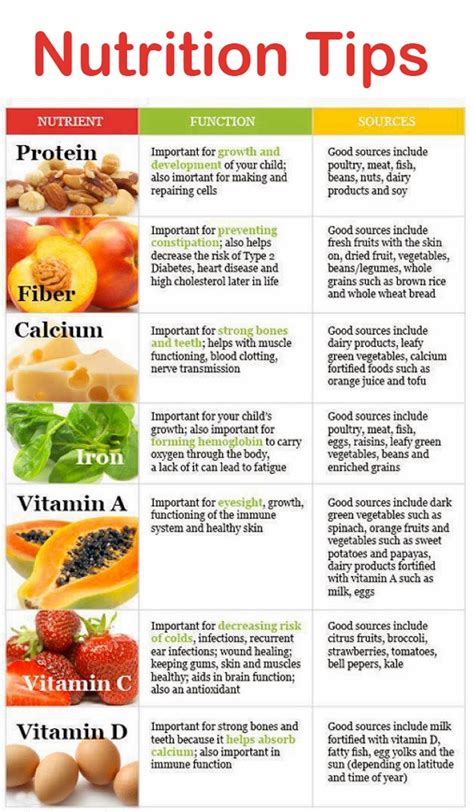
Your efforts in the gym, no matter how efficient, will be wasted without adequate support outside of it. Nutrition plays a pivotal role in muscle growth and recovery. Ensure you’re consuming enough protein (roughly 1.6-2.2 grams per kilogram of body weight) to support muscle repair and synthesis. Pair this with a balanced intake of complex carbohydrates for energy and healthy fats for hormonal function.
Equally important is sleep. Aim for 7-9 hours of quality sleep per night, as this is when your body produces the majority of its growth hormones and recovers most effectively. Hydration and stress management also contribute significantly to your overall well-being and ability to make progress. Remember, muscle isn’t built in the gym; it’s built during recovery.
Crafting Your Time-Efficient Routine
A sample weekly schedule for limited gym time might look like this:
- Day 1: Full Body A (e.g., Squats, Bench Press, Barbell Rows, Overhead Press, Face Pulls)
- Day 2: Rest or Active Recovery
- Day 3: Full Body B (e.g., Deadlifts, Incline Dumbbell Press, Pull-ups/Lat Pulldowns, Lunges, Dips/Triceps Extensions)
- Day 4: Rest or Active Recovery
- Day 5: Full Body C (optional) (e.g., Front Squats, Military Press, Cable Rows, Romanian Deadlifts, Push-ups)
- Day 6 & 7: Rest
Each workout should last no more than 45-60 minutes, including a brief warm-up and cool-down. Focus on 3-4 sets per exercise, aiming for 6-12 repetitions depending on your strength and hypertrophy goals. Consistency and adherence to progressive overload are key.

Building lean muscle and strength with limited gym time is entirely achievable with the right approach. By prioritizing compound movements, embracing progressive overload, structuring efficient full-body workouts, optimizing your training intensity, and supporting your efforts with sound nutrition and recovery, you can transform your physique and reach your strength goals without sacrificing your entire schedule. Make every minute count!