




Optimize testosterone for peak energy, muscle gain, and male performance?

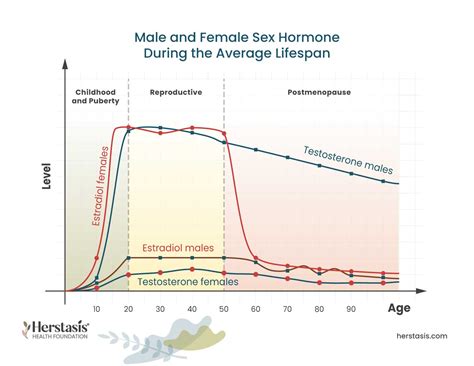
Testosterone, often hailed as the cornerstone of male vitality, plays a crucial role far beyond just sex drive. Optimal levels are essential for maintaining peak energy, fostering significant muscle growth, supporting robust bone density, regulating mood, and ensuring overall male performance. As men age, or due to various lifestyle factors, testosterone levels can decline, leading to a host of undesirable symptoms. Fortunately, there are many natural, evidence-based strategies to help optimize this vital hormone.
The Pivotal Role of Testosterone
Understanding the impact of testosterone on your body is the first step towards optimization. Beyond its well-known association with libido and reproductive health, testosterone contributes significantly to:
- Energy Levels: A direct link exists between healthy testosterone and sustained energy, reducing fatigue and improving stamina.
- Muscle Mass and Strength: Testosterone is anabolic, meaning it promotes protein synthesis, crucial for building and maintaining muscle tissue.
- Bone Density: It plays a key role in bone mineral density, protecting against osteoporosis.
- Mood and Cognition: Adequate testosterone levels can positively impact mood, focus, and cognitive function, helping to ward off irritability and ‘brain fog’.
- Fat Distribution: Optimal levels help regulate fat metabolism, assisting in maintaining a leaner physique.
Natural Strategies to Boost Testosterone
Diet for Testosterone Support
Your diet is a powerful lever for hormone regulation. Focus on nutrient-dense foods that support overall endocrine health.
- Healthy Fats: Incorporate monounsaturated and polyunsaturated fats from sources like avocados, nuts, seeds, olive oil, and fatty fish (salmon, mackerel). Cholesterol, a precursor to testosterone, is derived from dietary fats.
- Protein Intake: Ensure adequate protein to support muscle growth and recovery, which indirectly aids testosterone production. Lean meats, eggs, and legumes are excellent choices.
- Micronutrients: Zinc and Vitamin D are particularly crucial. Zinc is found in red meat, shellfish, and beans, while Vitamin D is primarily obtained through sun exposure and fortified foods or supplements. Magnesium, boron, and Vitamin K2 also play supporting roles.
- Limit Processed Foods and Sugar: These can lead to inflammation and insulin resistance, both of which negatively impact testosterone.

Exercise: Lift Heavy, Train Smart
Physical activity, especially certain types, is a potent testosterone booster.
- Strength Training: Compound exercises like squats, deadlifts, bench presses, and rows that engage multiple large muscle groups are most effective at stimulating testosterone release. Aim for moderate to heavy weights with adequate rest.
- High-Intensity Interval Training (HIIT): Short bursts of intense activity followed by brief recovery periods can also significantly elevate testosterone levels.
- Avoid Overtraining: While exercise is good, excessive or chronic endurance training without sufficient recovery can lead to elevated cortisol (stress hormone), which can suppress testosterone.

Prioritize Sleep and Stress Management
These two often-overlooked factors have a profound impact on your hormonal balance.
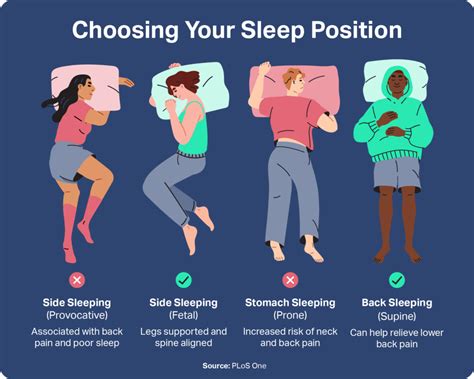
- Quality Sleep: Testosterone is primarily produced during deep sleep phases. Aim for 7-9 hours of high-quality sleep per night. Establish a consistent sleep schedule and optimize your sleep environment.
- Stress Reduction: Chronic stress elevates cortisol levels. High cortisol directly inhibits testosterone production. Practice stress-reducing techniques such as meditation, deep breathing, yoga, or spending time in nature.
Lifestyle Habits for Hormonal Harmony
Beyond diet and exercise, several lifestyle choices influence your testosterone.
- Maintain a Healthy Weight: Obesity, particularly abdominal fat, can increase estrogen levels and reduce free testosterone. Losing excess body fat can significantly improve testosterone.
- Limit Alcohol Consumption: Excessive alcohol intake can interfere with testosterone production and increase its conversion to estrogen.
- Avoid Endocrine Disruptors: Be mindful of exposure to chemicals like BPA, phthalates, and parabens found in plastics and personal care products, which can mimic estrogen and disrupt hormone balance.
When to Consider Professional Guidance
While natural strategies are highly effective for many, some individuals may have clinically low testosterone levels that warrant medical attention. If you experience persistent symptoms despite optimizing your lifestyle—such as severe fatigue, significant muscle loss, low libido, or mood disturbances—consult a healthcare professional. They can conduct blood tests to assess your hormone levels and discuss potential treatment options, including Testosterone Replacement Therapy (TRT), if appropriate and necessary.

Conclusion
Optimizing your testosterone levels is a journey that can significantly enhance your energy, accelerate muscle gain, and improve overall male performance and quality of life. By focusing on a nutrient-rich diet, effective exercise, sufficient sleep, stress management, and healthy lifestyle choices, you can naturally support your body’s ability to produce this vital hormone. Consistency and patience are key, and remember that professional medical advice is invaluable if you suspect a more significant hormonal imbalance.