




Optimize shave routine for zero irritation and peak professional finish?
For many men, shaving is a daily ritual, yet it often comes with the unwelcome side effects of razor burn, ingrown hairs, and general skin irritation. Achieving a perfectly smooth, irritation-free shave that leaves you looking sharp and professional isn’t a myth; it’s a science, a blend of proper technique, quality tools, and consistent care. This guide will walk you through optimizing every step of your shave routine, transforming it from a chore into a comforting, confidence-boosting experience.
The Foundation: Pre-Shave Preparation
A great shave begins long before the razor touches your skin. Proper preparation is key to softening whiskers, opening pores, and creating a slick surface for the blade.
- Warm Water Wash: Start by washing your face with warm water and a gentle cleanser. This removes dirt, oil, and dead skin cells, preventing them from clogging your razor.
- Steam or Hot Towel: Apply a hot, damp towel to your face for a few minutes, or shave after a hot shower. The steam helps to open pores and soften stubble, making it easier to cut.
- Pre-Shave Oil: A good pre-shave oil creates a protective barrier between your skin and the razor, providing extra lubrication and further softening your beard. Apply a small amount and massage it into your stubble.

Mastering the Lather & Application
The type and application of your shaving cream or soap play a crucial role in the quality of your shave.
- Quality Product: Invest in a rich, moisturizing shaving cream, soap, or gel. Avoid aerosol foams that can dry out your skin. Look for ingredients like glycerin, shea butter, and natural oils.
- Build a Rich Lather: If using a cream or soap, a shaving brush (badger or synthetic) helps create a thick, warm lather that lifts hairs and exfoliates the skin. Apply the lather evenly over your face, ensuring full coverage of the shaving area.
The Shave Itself: Technique and Tools
This is where precision makes all the difference in preventing irritation and achieving closeness.
Choose the Right Razor
- Sharp Blades: The single most important factor. Dull blades pull and tug, causing irritation and razor burn. Change disposable blades frequently (every 3-5 shaves) or use a fresh double-edge blade for each shave.
- Type of Razor:
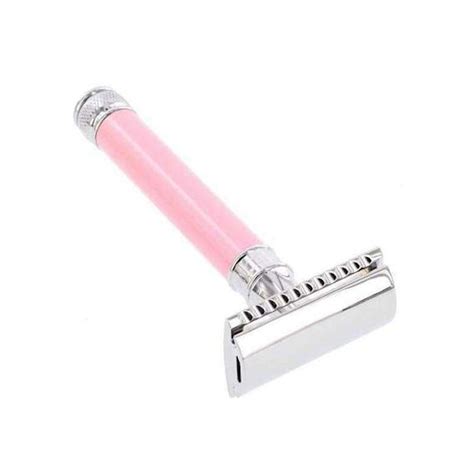
- Safety Razor (DE Razor): Offers a very close shave with less irritation for many, as it uses a single, sharp blade.
- Cartridge Razor: Convenient, but multiple blades can cause more drag and irritation, especially if not used correctly. Opt for cartridges with fewer blades if irritation is a concern.
- Straight Razor: Requires skill but offers the closest, most precise shave.

Shaving Technique
- Shave with the Grain: For the first pass, always shave in the direction your hair grows. This is the best way to prevent ingrown hairs and irritation.
- Re-lather for Subsequent Passes: If you need a closer shave, re-lather your face.
- Across or Against the Grain (Optional): For an even closer shave, a second pass can be done across the grain (perpendicular to hair growth). A third pass, very carefully, against the grain, can achieve the closest possible shave, but this carries the highest risk of irritation and should only be attempted once your skin is accustomed and well-prepped.
- Short, Light Strokes: Let the razor do the work. Don’t press hard. Use short, controlled strokes.
- Rinse the Blade Frequently: Rinse your razor under hot water after every few strokes to prevent clogging.
- Stretch Your Skin: Gently stretch your skin taut with your free hand to create a flatter surface for the blade.

Post-Shave Care: Soothe and Protect
The job isn’t done once the last stroke is made. Post-shave care is vital for preventing irritation and keeping your skin healthy.
- Rinse with Cold Water: Splash your face with cold water immediately after shaving to close pores and soothe the skin.
- Pat Dry: Gently pat your face dry with a clean, soft towel. Avoid rubbing.
- Apply Aftershave Balm or Lotion: An alcohol-free aftershave balm or moisturizer is essential. It rehydrates the skin, reduces redness, and provides a protective barrier. Avoid alcohol-based aftershaves, which can dry out and irritate your skin.

Advanced Tips & Troubleshooting
- Exfoliate Regularly: 2-3 times a week, gently exfoliate your skin to remove dead skin cells that can trap hairs and cause ingrown hairs.
- Moisturize Daily: Keep your skin hydrated even on non-shave days.
- Clean Your Razor: After each shave, thoroughly rinse your razor and let it air dry to prevent bacterial growth.
- Listen to Your Skin: If you experience persistent irritation, re-evaluate your products, technique, or even consider a different type of razor.

Conclusion
Optimizing your shave routine is a journey of refinement, but the rewards are significant: a consistently smooth, irritation-free complexion and a sharp, professional appearance that boosts your confidence. By investing in quality products, mastering your technique, and committing to proper pre- and post-shave care, you can transform a mundane daily task into an enjoyable ritual, ensuring you always put your best face forward.