




Optimize shave: Prevent ingrowns & razor burn for peak skin performance?
Achieving the Perfect Shave: Beyond Just Hair Removal
Shaving is more than just removing unwanted facial hair; it’s a vital part of many grooming routines that significantly impacts skin health and appearance. However, for many, it’s a source of frustration, leading to irritating ingrown hairs and painful razor burn. Optimizing your shave isn’t about expensive gadgets; it’s about understanding your skin, choosing the right tools, and mastering proper technique.
Understanding Ingrown Hairs & Razor Burn
Before we dive into prevention, let’s quickly clarify what we’re fighting against. Ingrown hairs occur when a shaved hair curls back into the skin or grows sideways into the follicle wall instead of growing out. This can cause inflammation, redness, and bumps. They’re often exacerbated by coarse, curly hair and improper shaving techniques.
Razor burn, on the other hand, is a superficial skin irritation characterized by redness, stinging, and sometimes small red bumps. It’s usually caused by shaving too aggressively, using dull blades, shaving against the grain, or not adequately lubricating the skin.

The Pre-Shave Ritual: Essential Preparation
A great shave begins long before the blade touches your skin. Proper preparation is paramount for a smooth, irritation-free experience.
1. Exfoliate Gently
A mild facial scrub or chemical exfoliant (like an AHA/BHA cleanser) 2-3 times a week helps remove dead skin cells that can trap hairs and contribute to ingrowns. On shave day, a warm washcloth can suffice for a gentler exfoliation.
2. Hydrate & Soften
Warm water is your best friend. Shave after a hot shower or apply a warm, damp towel to your face for a few minutes. This softens the hair follicles and opens pores, making hair easier to cut and reducing resistance.
3. Choose the Right Product
Invest in a high-quality shaving cream, gel, or oil that creates a rich, protective lather. Look for ingredients like glycerin, aloe vera, and natural oils that provide lubrication and moisture. Apply liberally and let it sit for a minute or two to further soften stubble.
The Shave Itself: Technique is Key
This is where precision makes all the difference.
1. Blade Choice Matters
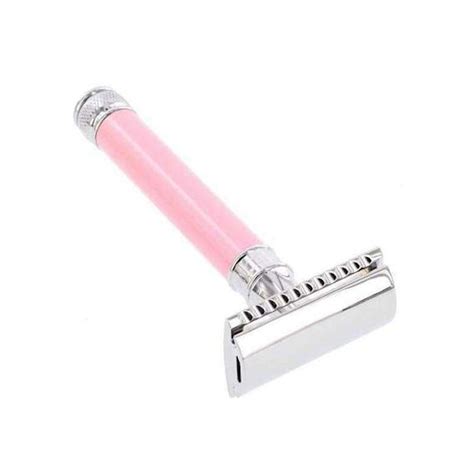
Use a sharp, clean razor. Dull blades tug at hair, increasing irritation. Change disposable blades after 5-7 uses, or sooner if you feel resistance. For sensitive skin or prone to ingrowns, a single-blade safety razor or an electric shaver can sometimes be gentler than multi-blade cartridges.
2. Shave With the Grain
Always shave in the direction your hair grows. While shaving against the grain might give a closer shave, it significantly increases the risk of ingrowns and razor burn, especially for sensitive skin. For a closer second pass, you can try shaving across the grain, but never directly against it if you’re prone to irritation.

3. Light Touch, No Pressure
Let the razor do the work. Apply minimal pressure. Pressing too hard can cause nicks, cuts, and irritate the skin, leading to razor burn.
4. Rinse Blade Frequently
Rinse your razor after every few strokes to prevent hair and shaving cream buildup, which can clog the blades and reduce their effectiveness.
Post-Shave Perfection: Soothe & Protect
The post-shave routine is just as crucial as the prep.
1. Cold Rinse
Rinse your face with cool water to close pores and soothe the skin.
2. Apply Aftershave Balm
Opt for an alcohol-free aftershave balm or lotion. Alcohol can dry out and irritate freshly shaved skin. Look for soothing ingredients like aloe vera, witch hazel, chamomile, and allantoin.

3. Moisturize Regularly
Even if you use an aftershave balm, follow up with a good facial moisturizer, especially if your skin tends to be dry. Hydrated skin is healthy skin.
4. Consider Post-Shave Treatments
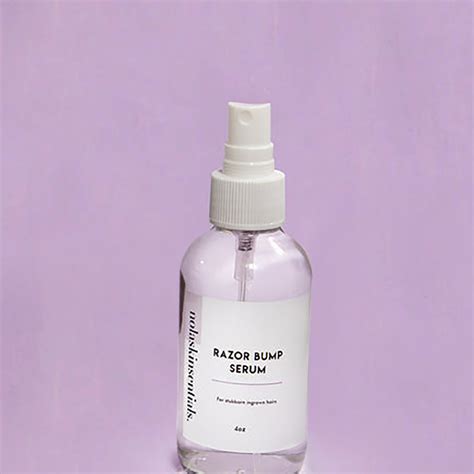
If you’re particularly prone to ingrown hairs, incorporate a specialized ingrown hair serum or treatment with salicylic acid or glycolic acid into your routine a few times a week. These gentle exfoliants help keep follicles clear.

Advanced Tips for Stubborn Issues
- Shaving Frequency: If you’re constantly battling irritation, consider shaving less frequently to give your skin a break.
- Electric Shavers: For some, a good quality electric shaver can reduce irritation compared to wet shaving, as it doesn’t cut hair as close to the skin. Experiment to see what works for you.
- Hot Towel Compress: For extra pampering and softening, incorporate a hot towel compress before applying your shave cream.

Embrace Peak Skin Performance
Optimizing your shave is a journey, not a destination. It requires patience, attention to detail, and a willingness to experiment with products and techniques to find what best suits your skin type and hair texture. By consistently following these guidelines – thorough preparation, careful technique, and diligent post-shave care – you can significantly reduce ingrown hairs and razor burn, leaving you with healthy, smooth, and peak-performing skin every time.