




Optimize recovery to maximize strength gains & prevent overtraining?

Why Recovery is the Unsung Hero of Strength Training
In the relentless pursuit of strength, many fitness enthusiasts focus almost exclusively on what happens *in* the gym. They meticulously plan their sets, reps, and progressive overload, but often overlook the equally, if not more, crucial component: recovery. Without adequate recovery, your body cannot adapt to the stress of training, leading to plateaus, increased injury risk, and the dreaded state of overtraining. Understanding and optimizing your recovery protocols is not just beneficial; it’s fundamental to unlocking your true strength potential and sustaining long-term progress.
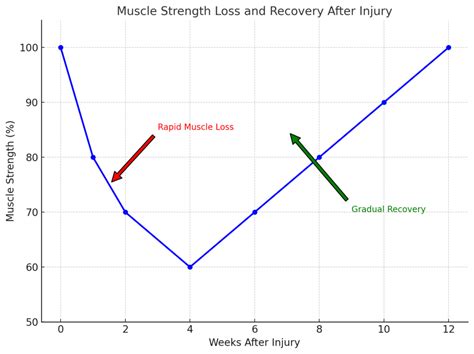
Muscles don’t grow during your workout; they grow while you rest. The training session acts as the stimulus, creating microscopic tears in muscle fibers. Recovery is the process by which these fibers repair, rebuild, and strengthen, adapting to become more resilient. Neglecting this phase is like planting a seed and forgetting to water it – growth will be stunted, if it occurs at all.
The Pillars of Effective Recovery
Optimizing recovery involves a multi-faceted approach, addressing several key areas that impact your body’s ability to repair and adapt.
1. Prioritize Quality Sleep
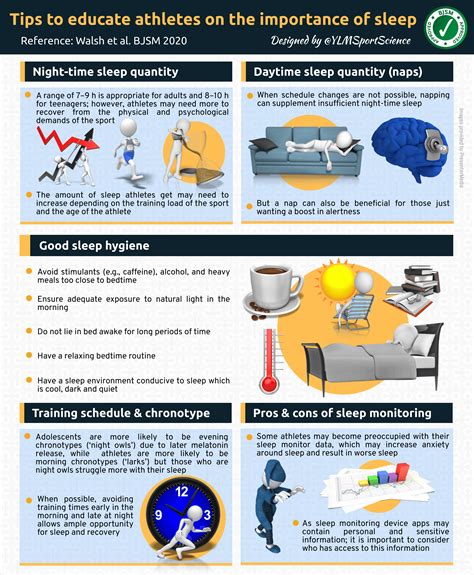
Sleep is arguably the most powerful recovery tool at your disposal. During deep sleep, your body releases growth hormone, which is essential for muscle repair and growth. It’s also when your central nervous system (CNS) recovers, which is vital for maintaining strength and preventing mental fatigue. Aim for 7-9 hours of uninterrupted, quality sleep per night. Establish a consistent sleep schedule, create a dark, cool, and quiet sleep environment, and limit screen time before bed.
2. Fuel Your Body with Optimal Nutrition
What you eat plays a direct role in how well your body recovers. Post-workout nutrition, in particular, is critical. Protein provides the amino acids necessary for muscle repair and synthesis. Carbohydrates replenish glycogen stores, which are depleted during intense exercise, providing energy for future workouts and aiding in recovery. Don’t forget healthy fats, which support hormone production and reduce inflammation, and adequate hydration, which is essential for all bodily functions.
3. Incorporate Active Recovery and Mobility
While complete rest days are important, active recovery can accelerate the process. Light activities like walking, cycling, swimming, or foam rolling increase blood flow to muscles without adding significant stress. This helps deliver nutrients and remove metabolic waste products, reducing muscle soreness and improving flexibility. Regular stretching and mobility work can also improve range of motion and prevent stiffness, contributing to better movement patterns and reduced injury risk.

4. Manage Stress Levels
Chronic stress, whether from training, work, or personal life, elevates cortisol levels, which can hinder recovery, promote muscle breakdown, and suppress immune function. Incorporate stress-reduction techniques into your daily routine, such as meditation, deep breathing exercises, spending time in nature, or engaging in hobbies you enjoy. A calm mind supports a recovering body.
5. Implement Strategic Deloads and Rest Days
Planned periods of reduced training intensity or volume, known as deloads, allow your body and CNS to fully recover without completely detraining. These are typically scheduled every 4-8 weeks, depending on your training intensity and experience level. Additionally, ensure you schedule at least 1-2 full rest days per week, where you completely abstain from structured exercise.

Recognizing the Warning Signs of Overtraining
Ignoring recovery can quickly lead to overtraining, a state where your body struggles to adapt to training stress. Common signs include:
- Persistent fatigue or lethargy
- Decreased performance in the gym (strength plateaus or regressions)
- Increased irritability or mood disturbances
- Disturbed sleep patterns (insomnia or excessive sleepiness)
- Chronic muscle soreness or joint pain
- Increased susceptibility to illness or injury
- Loss of appetite
If you experience several of these symptoms, it’s a clear signal to significantly reduce training intensity or take a complete break to allow for full recovery. Pushing through will only exacerbate the problem.

Building Your Personalized Recovery Strategy
Optimizing recovery is not a one-size-fits-all endeavor. Pay attention to your body’s signals and experiment with different strategies to find what works best for you. Keep a training journal to track your progress, sleep quality, energy levels, and mood. This data can help you identify patterns and make informed adjustments to your training and recovery protocols. Remember, consistency in recovery is just as important as consistency in training.
Conclusion
Treat recovery as an integral part of your training program, not an afterthought. By prioritizing quality sleep, nourishing your body, engaging in active recovery, managing stress, and strategically deloading, you create the optimal environment for muscle growth, strength gains, and long-term athletic performance. Embrace recovery, and watch your strength and well-being soar to new heights, all while effectively preventing the pitfalls of overtraining.