





Optimize recovery for rapid muscle growth & peak performance?

The Unsung Hero of Gains: Recovery
In the relentless pursuit of rapid muscle growth and peak athletic performance, many fitness enthusiasts fixate solely on the intensity and volume of their workouts. While training is undeniably critical, it’s during the recovery phase that the real magic happens. Muscles don’t grow in the gym; they grow and adapt during rest. Neglecting recovery is akin to driving a high-performance car without ever changing the oil – eventually, performance will suffer, and breakdowns are inevitable. Understanding and optimizing your recovery protocols is the cornerstone of sustainable progress and unlocking your body’s full potential.
The Science Behind Effective Recovery
Recovery isn’t just about feeling less sore; it’s a complex physiological process involving muscle repair, glycogen replenishment, hormone regulation, and nervous system recalibration. When you train, you create micro-tears in muscle fibers and deplete energy stores. The body’s natural response is to repair these fibers stronger and more resilient than before, a process known as supercompensation. Adequate rest allows inflammatory responses to subside, growth hormones to act, and essential nutrients to be delivered to damaged tissues. Interrupted or insufficient recovery can lead to overtraining, increased injury risk, diminished performance, and stalled progress.
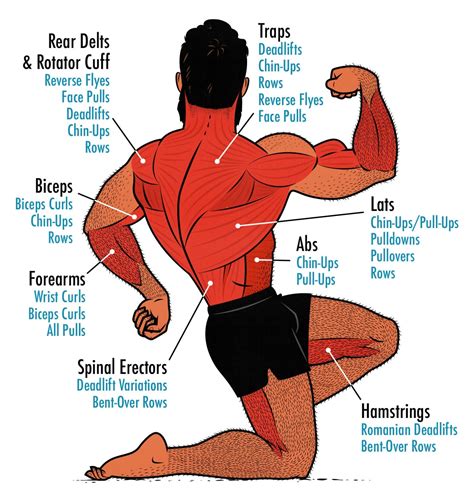
Pillars of Optimal Recovery
1. Quality Sleep: Your Ultimate Anabolic State
Sleep is arguably the most powerful recovery tool at your disposal. During deep sleep stages, your body releases human growth hormone (HGH), which is vital for tissue repair, muscle growth, and fat metabolism. Aim for 7-9 hours of uninterrupted, high-quality sleep per night. Establish a consistent sleep schedule, create a dark, cool, and quiet sleep environment, and limit screen time before bed to optimize melatonin production.
2. Targeted Nutrition: Fueling Repair and Growth
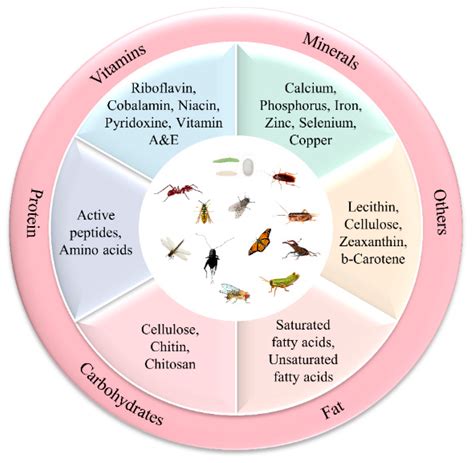
What you eat post-workout and throughout the day profoundly impacts recovery. Prioritize protein intake (around 1.6-2.2g per kg of body weight) to provide the amino acid building blocks for muscle repair. Complex carbohydrates are essential for replenishing glycogen stores, while healthy fats support hormone production and reduce inflammation. Focus on nutrient-dense, whole foods, ensuring a spectrum of vitamins and minerals to support metabolic processes.
3. Hydration: The Silent Performance Booster
Dehydration can severely impair recovery, impacting nutrient transport, thermoregulation, and joint lubrication. Drink plenty of water throughout the day, especially around workouts. Electrolyte-rich beverages can be beneficial during prolonged or intense training sessions to replace minerals lost through sweat.
Active Recovery and Mobility Work
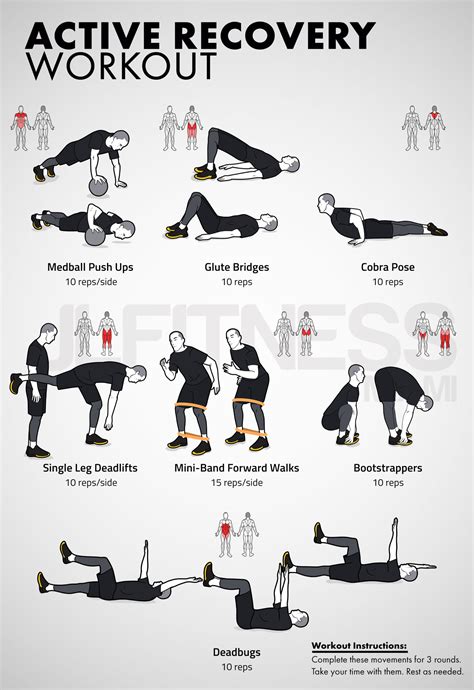
While rest days are crucial, complete inactivity isn’t always the best approach. Active recovery, such as light cardio (walking, cycling) or low-intensity movement, can help increase blood flow, deliver nutrients to muscles, and flush out metabolic waste products without adding significant stress. Incorporating mobility work, stretching, foam rolling, or yoga can improve range of motion, reduce muscle stiffness, and prevent injuries by addressing tissue restrictions and imbalances. These practices enhance flexibility and promote better movement patterns for subsequent workouts.
Stress Management & Mental Fortitude
Chronic stress, whether physical or psychological, elevates cortisol levels, which can hinder muscle growth and accelerate breakdown. Implementing stress-reduction techniques like meditation, deep breathing exercises, spending time in nature, or engaging in hobbies can significantly impact your recovery capacity. A positive mindset and effective stress management contribute to a healthier hormonal environment conducive to both physical and mental well-being, crucial for sustaining high-level performance.

Strategic Supplementation
While whole foods should always be the foundation, certain supplements can complement your recovery efforts. Protein powders (whey, casein, plant-based) can help meet daily protein targets. Creatine aids in ATP regeneration and muscle strength. BCAAs or EAAs may support muscle protein synthesis, especially around workouts. Omega-3 fatty acids possess anti-inflammatory properties, and magnesium can assist with muscle relaxation and sleep quality. Always consult with a healthcare professional before starting any new supplement regimen.

Integrating Recovery into Your Routine
Optimizing recovery isn’t a one-time fix; it’s a continuous, integrated approach to your fitness and lifestyle. It requires listening to your body, recognizing signs of fatigue or overtraining, and being proactive in your recovery strategies. By giving recovery the attention it deserves, you’ll not only accelerate muscle growth and enhance athletic performance but also safeguard your long-term health and passion for training. Prioritize your rest, fuel your body intelligently, and watch your progress soar to new heights.