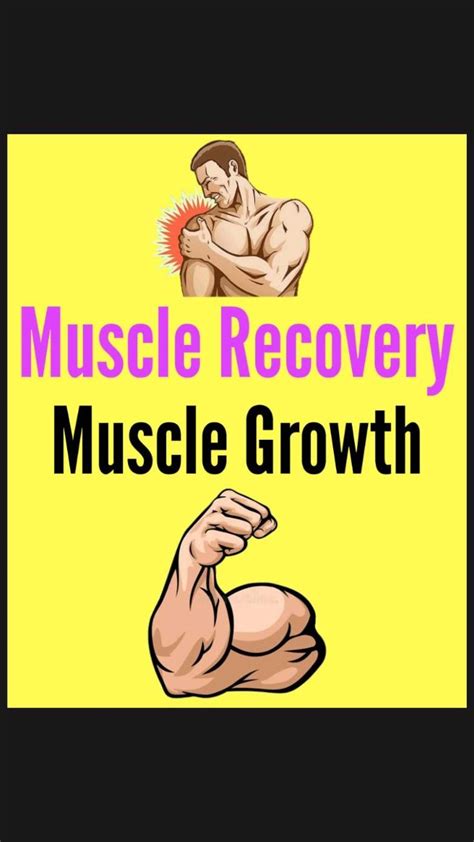





Optimize recovery for peak performance: Prevent overtraining & boost muscle repair?

The Underrated Secret to Peak Performance: Mastering Recovery
In the relentless pursuit of fitness goals, many athletes and enthusiasts focus intensely on training volume and intensity. While consistent effort is undoubtedly crucial, true progress and sustainable peak performance hinge on an often-overlooked element: effective recovery. Neglecting recovery not only stalls progress but can lead to the dreaded state of overtraining, sidelining you indefinitely.
This article will delve into the science and practical strategies behind optimizing your recovery process, ensuring you prevent overtraining, accelerate muscle repair, and ultimately unlock your full athletic potential.

Understanding Overtraining: The Invisible Barrier to Progress
Overtraining syndrome (OTS) is a complex condition resulting from an imbalance between training stress and recovery. It’s more than just feeling tired; it’s a physiological and psychological breakdown that can manifest as persistent fatigue, decreased performance, increased susceptibility to illness and injury, mood disturbances, and sleep problems. Pushing harder without adequate recovery doesn’t make you stronger; it makes you weaker and more vulnerable.
Recognizing the signs — chronic muscle soreness, elevated resting heart rate, decreased motivation, prolonged plateaus, or regression in performance — is the first step in preventing serious setbacks.
The Pillars of Effective Recovery
1. Prioritize Quality Sleep: Your Body’s Ultimate Repair Shop
Sleep is arguably the most critical component of recovery. During deep sleep stages, your body releases growth hormone, essential for muscle repair and growth, and restores energy reserves. Aim for 7-9 hours of high-quality sleep per night. Establish a consistent sleep schedule, create a dark and cool sleep environment, and avoid screens before bed to optimize this vital process.

2. Fuel for Repair and Growth: Strategic Nutrition
What you eat directly impacts your body’s ability to recover. Post-workout nutrition is key:
- Protein: Essential for muscle protein synthesis and repair. Consume 20-40 grams of high-quality protein (e.g., whey, casein, eggs, lean meats) within a few hours post-exercise.
- Carbohydrates: Replenish glycogen stores depleted during exercise, providing energy for subsequent workouts. Prioritize complex carbs like whole grains, fruits, and vegetables.
- Hydration: Rehydrate adequately by consuming water and electrolytes, especially after intense or prolonged sessions, to maintain cellular function and nutrient transport.

3. Embrace Active Recovery and Mobility Work
While rest days are crucial, active recovery can accelerate the process. Light activities like walking, cycling at a low intensity, or swimming help increase blood flow, delivering nutrients to tired muscles and flushing out metabolic waste products without adding significant stress. Incorporate stretching, foam rolling, or yoga to improve flexibility, reduce muscle stiffness, and enhance range of motion.
![What Is Diffused Light: Complete Guide [With Examples & Tips]](/images/aHR0cHM6Ly90czEuZXhwbGljaXQuYmluZy5uZXQvdGg/aWQ9T0lQLmQyT3dOQmlYSldYNms1b2dwMFFVN1FIYUU3JnBpZD0xNS4x.webp)
4. Manage Stress: The Unseen Recovery Drain
Chronic stress, whether from training, work, or personal life, elevates cortisol levels, which can hinder recovery, suppress the immune system, and promote muscle breakdown. Incorporate stress-reduction techniques such as meditation, deep breathing exercises, spending time in nature, or engaging in hobbies. A calm mind supports a recovering body.
Putting It All Together: Practical Strategies for Optimized Recovery
- Listen to Your Body: Learn to differentiate between muscle soreness and actual pain. Don’t be afraid to take an extra rest day or modify your workout if your body demands it.
- Periodization and Deload Weeks: Structure your training with cycles of varying intensity and volume, including regular deload weeks (reduced training load) to allow for complete recovery and adaptation.
- Consider Recovery Tools: Explore tools like massage, percussive therapy devices, contrast showers (alternating hot and cold), or Epsom salt baths to alleviate soreness and promote relaxation.
Conclusion: Recovery is Not a Weakness, It’s a Strategy
Optimizing recovery is not a luxury; it’s a fundamental pillar of any successful fitness regimen. By prioritizing quality sleep, strategic nutrition, active recovery, and stress management, you actively prevent overtraining and create an environment where your muscles can repair, adapt, and grow stronger. Embrace recovery as an integral part of your training, and you’ll not only achieve your peak performance goals but sustain them for the long haul.