




Optimize post-workout nutrition for rapid muscle recovery & growth?

Unlocking Your Post-Workout Potential: The Science of Recovery and Growth
The hard work doesn’t stop when you rack the weights or finish your run. In fact, what you consume immediately after your workout can be just as crucial, if not more, than the training itself for optimizing muscle recovery, stimulating growth, and preparing your body for the next challenge. Understanding and implementing an effective post-workout nutrition strategy is the secret weapon many athletes and fitness enthusiasts overlook.

Why Post-Workout Nutrition is Non-Negotiable
During intense physical activity, your muscles undergo micro-tears, and your body depletes its energy stores, primarily glycogen. Without proper post-workout nutrition, your body remains in a catabolic state, breaking down muscle tissue rather than building it up. The goal is to shift your body from this catabolic (breaking down) state to an anabolic (building up) state as quickly as possible.
The Pillars of Post-Workout Fueling: Macronutrients
Let’s break down the essential components that make up a recovery meal or shake.
1. Protein: The Building Blocks of Muscle
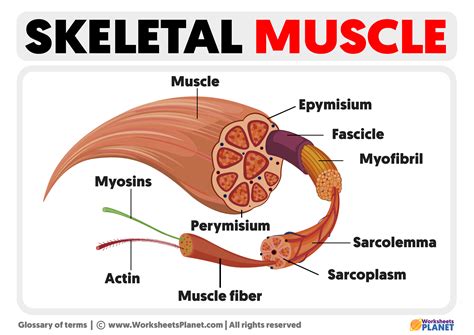
Protein is paramount. After a workout, your muscles are primed to absorb amino acids, the constituents of protein, to repair the micro-damage and initiate muscle protein synthesis (MPS). Aim for a rapidly digestible protein source like whey protein, lean meats, eggs, or plant-based proteins. A general guideline is 20-40 grams of protein, depending on your body weight and training intensity, immediately after exercise.
2. Carbohydrates: Replenishing Energy Stores
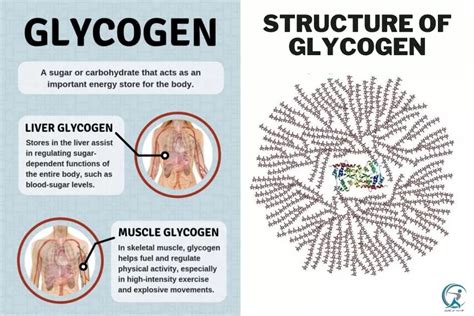
Carbohydrates are your body’s primary fuel source. During exercise, your glycogen stores (stored carbs in muscles and liver) are depleted. Consuming fast-acting carbohydrates post-workout helps to quickly replenish these stores, halting muscle breakdown and signaling an insulin response, which aids in nutrient delivery to muscle cells. Good choices include bananas, white rice, potatoes, oats, or carb powders. A ratio of 2:1 or 3:1 carbs to protein is often recommended for optimal recovery, aiming for 40-80 grams of carbohydrates.
3. Healthy Fats: A Supportive Role
While fats are crucial for overall health and hormone production, they are generally not prioritized immediately post-workout as they can slow down the digestion and absorption of proteins and carbohydrates. It’s best to keep fat intake low in your immediate post-workout meal and incorporate healthy fats into other meals throughout the day.
The “Anabolic Window”: Timing is Everything
For years, the “anabolic window” was believed to be a very narrow, 30-60 minute period post-workout where nutrient timing was critical. While research now suggests this window might be more flexible, extending up to a few hours, consuming protein and carbohydrates within 1-2 hours after your workout is still highly recommended, especially if you trained in a fasted state or haven’t eaten for several hours prior. Consistency over strict timing is often more important for general fitness enthusiasts, but for competitive athletes, it can make a difference.
Don’t Forget Hydration
Beyond macros, proper hydration is fundamental for recovery. You lose significant fluids through sweat during exercise. Dehydration can impair performance, slow recovery, and negatively impact overall health. Replenish fluids with water and consider electrolytes if your workout was particularly intense or long. Aim to drink 1.5 times the fluid lost during exercise.
Practical Tips for Your Post-Workout Meal
- Shake or Meal? Both work. A shake is convenient for immediate consumption and faster absorption. A whole food meal provides satiety and a broader range of micronutrients.
- Combine & Conquer: Ensure your recovery meal includes both protein and carbohydrates.
- Listen to Your Body: Adjust quantities based on your training intensity, body weight, and individual goals.
- Be Consistent: Make post-workout nutrition a regular part of your fitness routine, not just an occasional thought.

Conclusion
Optimizing your post-workout nutrition is a powerful lever for accelerating muscle recovery and fostering growth. By strategically consuming the right balance of proteins and carbohydrates, staying well-hydrated, and being mindful of timing, you can significantly enhance your body’s ability to repair, adapt, and build stronger muscles. Fuel your body intelligently, and you’ll reap the rewards of your hard work, maximizing every drop of sweat and every rep in the gym.