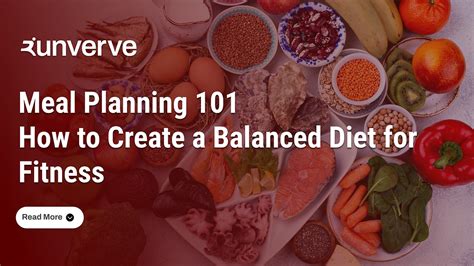





Optimize peak performance: What specific nutrition fuels sustained energy, focus, and recovery?

In the relentless pursuit of peak performance, whether in sports, demanding careers, or daily life, nutrition stands as the foundational pillar. It’s not merely about eating; it’s about intelligent fueling – providing your body and brain with the precise components they need to operate at their absolute best, consistently. This involves a nuanced understanding of how specific nutrients impact energy reserves, mental clarity, and the crucial process of recovery.
Fueling Sustained Energy
Sustained energy is the bedrock of any high-performance endeavor. It prevents crashes, maintains endurance, and ensures consistent output. The primary drivers here are complex carbohydrates and healthy fats.
Complex Carbohydrates: These are your long-lasting fuel source. Think whole grains (oats, quinoa, brown rice), sweet potatoes, legumes, and fruits. They are digested slowly, providing a steady release of glucose into the bloodstream, preventing blood sugar spikes and subsequent crashes. Glycogen, stored glucose in muscles and liver, is critical for endurance activities and high-intensity bursts.
Healthy Fats: Monounsaturated and polyunsaturated fats, found in avocados, nuts, seeds, and olive oil, offer a concentrated energy source that is particularly valuable for longer-duration activities and overall cellular health. They also play a vital role in hormone production and nutrient absorption.

Sharpening Focus and Cognitive Function
Mental acuity is just as important as physical prowess for peak performance. Specific nutrients are key to neurotransmitter function, brain protection, and improved cognitive speed.
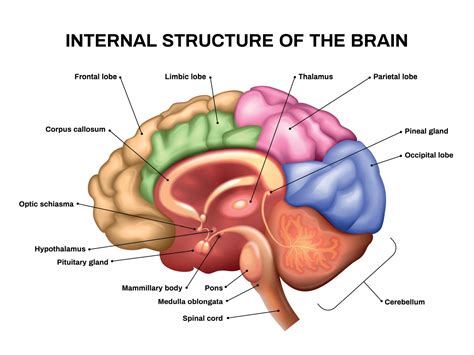
Omega-3 Fatty Acids: EPA and DHA, predominantly found in fatty fish like salmon, mackerel, and sardines, are crucial structural components of brain cell membranes. They are renowned for their anti-inflammatory properties and their role in improving memory, focus, and mood. Plant-based sources like flaxseeds and walnuts offer ALA, which the body can convert to EPA/DHA, albeit less efficiently.
B Vitamins: A full spectrum of B vitamins (B6, B9, B12) is essential for neurotransmitter synthesis and energy metabolism in the brain. Deficiencies can lead to fatigue, poor concentration, and irritability. Sources include leafy greens, eggs, meat, and fortified cereals.
Antioxidants: Vitamins C and E, along with various phytonutrients found in colorful fruits and vegetables (berries, spinach, bell peppers), protect brain cells from oxidative stress, enhancing long-term cognitive health and acute focus.
Accelerating Recovery and Repair
Performance isn’t just about what you do; it’s also about how quickly and effectively you bounce back. Nutrition is paramount for repairing tissues, replenishing stores, and reducing inflammation.
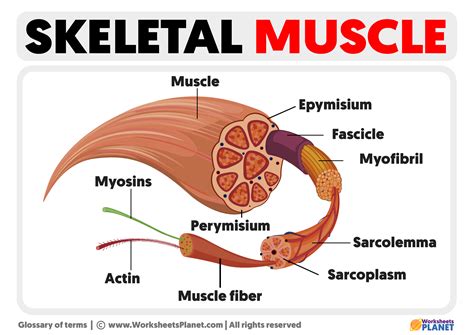
Quality Protein: Essential for muscle repair and growth, protein provides the amino acid building blocks necessary to mend microscopic tears that occur during physical exertion. Lean meats, poultry, fish, eggs, dairy, legumes, and plant-based protein sources like tofu and tempeh should be consumed consistently, especially post-workout.
Electrolytes and Micronutrients: Sodium, potassium, magnesium, and calcium are lost through sweat and are vital for nerve function, muscle contraction, and fluid balance. Replenishing these through fruits (bananas, oranges), vegetables, and sometimes sports drinks is crucial. Furthermore, micronutrients like zinc and iron play roles in immune function and oxygen transport, respectively, both critical for efficient recovery.
The Crucial Role of Hydration
Often overlooked, proper hydration is fundamental to all aspects of peak performance. Water is involved in nutrient transport, temperature regulation, joint lubrication, and cognitive function. Even mild dehydration can significantly impair physical performance, reduce focus, and slow recovery.
Aim to consume plenty of water throughout the day, increasing intake during and after exercise, or in hot environments. Electrolyte-rich fluids can be beneficial during prolonged or intense activity.

Practical Strategies for Optimal Performance Nutrition
- Prioritize Whole Foods: Base your diet on unprocessed foods to maximize nutrient density.
- Timing is Key: Strategically time your carbohydrate and protein intake around workouts to optimize energy and recovery.
- Listen to Your Body: Individual needs vary. Pay attention to how different foods affect your energy levels, focus, and recovery.
- Don’t Neglect Micronutrients: Ensure a wide array of fruits, vegetables, and whole grains for a full spectrum of vitamins and minerals.
- Supplement Wisely: While a whole-food diet is primary, certain supplements (e.g., omega-3s, vitamin D) might be beneficial to fill nutritional gaps, but always consult a professional.
Optimizing peak performance isn’t about restrictive diets or fads; it’s about a consistent, informed approach to fueling your body. By focusing on specific nutrients that target sustained energy, mental clarity, and efficient recovery, you empower yourself to achieve and maintain your highest potential.