





Optimize male recovery: What sleep hacks genuinely boost performance?

For men striving for peak physical and mental performance, the focus often gravitates towards rigorous training, balanced nutrition, and strategic supplementation. Yet, one of the most powerful, often overlooked, pillars of success lies in the quality of sleep. It’s not just about getting enough hours; it’s about optimizing those hours to genuinely boost recovery, hormone balance, and cognitive function.
The Unseen Powerhouse: Why Sleep is Non-Negotiable for Men
Adequate, high-quality sleep acts as a crucial reset button for the male body. During deep sleep cycles, the body undertakes essential repair work. This includes muscle tissue repair, protein synthesis, and the release of human growth hormone (HGH), vital for muscle growth and fat metabolism. Insufficient sleep, conversely, can lead to increased cortisol (the stress hormone) and decreased testosterone levels, directly impacting strength, energy, and libido.
Beyond the physical, sleep profoundly influences cognitive functions such as focus, decision-making, and emotional regulation. For men juggling demanding careers, family life, and fitness goals, a sharp mind is as crucial as a strong body.

Hacking Your Circadian Rhythm for Peak Performance
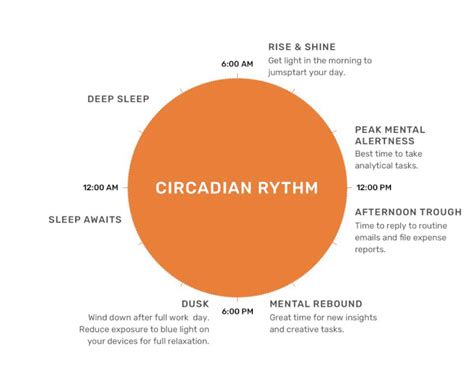
Your circadian rhythm, your body’s internal 24-hour clock, dictates your sleep-wake cycle. Aligning with it is perhaps the most fundamental sleep hack. Aim for a consistent sleep schedule, even on weekends. Going to bed and waking up at roughly the same time daily helps regulate your body’s natural melatonin production, making it easier to fall asleep and wake up feeling refreshed.
Exposure to natural light early in the morning helps set this rhythm, signaling to your body that it’s time to be alert. Conversely, dimming lights and avoiding bright screens (especially blue light) in the evening signals that it’s time to wind down.
Crafting Your Optimal Sleep Sanctuary
Your sleep environment plays a critical role in sleep quality. Transform your bedroom into a sanctuary conducive to rest:
- Temperature: Keep your bedroom cool, ideally between 60-67°F (15-19°C). A cooler environment helps facilitate the drop in core body temperature needed for sleep onset.
- Darkness: Eliminate all light sources. Even small amounts of light can disrupt melatonin production. Use blackout curtains, an eye mask, or cover glowing electronics.
- Quiet: Minimize noise. Earplugs or a white noise machine can help block out disruptive sounds and create a consistent soundscape.
- Comfort: Invest in a comfortable mattress and pillows that support your sleep posture.
Nutritional Nudges and Pre-Sleep Rituals
What and when you eat can significantly impact your sleep. Avoid heavy meals close to bedtime, which can trigger indigestion and keep your digestive system active. Opt for lighter, easily digestible snacks if you must eat. Consider magnesium and zinc supplementation, as these minerals are often deficient and play roles in muscle relaxation and sleep regulation.
Develop a consistent pre-sleep routine to signal to your body that it’s time to unwind. This could include a warm bath or shower, reading a physical book, meditation, light stretching, or listening to calming music. The key is to detach from stimulating activities and create a peaceful transition into sleep.

Eliminating Sleep Saboteurs
Several common habits can severely undermine your sleep efforts:
- Caffeine: Be mindful of your caffeine intake, especially in the afternoon and evening. Its stimulating effects can last for many hours.
- Alcohol: While alcohol might make you feel drowsy, it disrupts sleep architecture, particularly REM sleep, leading to fragmented and less restorative sleep.
- Screens: The blue light emitted by phones, tablets, and computers suppresses melatonin. Power down all screens at least an hour before bed.

Consistency and Tracking: Your Path to Sustained Gains
Like any training regimen, consistency is paramount with sleep. Sticking to your optimized routine even when traveling or during altered schedules will yield the best long-term results. Consider using a sleep tracking device or app to monitor your sleep patterns. This data can provide valuable insights into your sleep quality, helping you identify what works and what doesn’t, and enabling you to make data-driven adjustments to your sleep hacks.

Conclusion
Optimizing your sleep is not a luxury; it’s a fundamental requirement for male performance in every facet of life. By implementing these genuine sleep hacks – from aligning with your circadian rhythm and perfecting your sleep environment to adopting mindful pre-sleep routines and eliminating disruptors – you can unlock a new level of physical recovery, mental clarity, hormonal balance, and overall well-being. Prioritize your sleep, and watch your performance soar.