




Optimize male hormones: Which foods & habits elevate natural testosterone?
Understanding Testosterone and Its Importance
Testosterone, often called the primary male hormone, plays a critical role in more than just sex drive and muscle mass. It influences bone density, red blood cell production, fat distribution, mood, and cognitive function. As men age, testosterone levels naturally decline, but modern lifestyle factors can accelerate this drop, leading to symptoms like fatigue, reduced libido, weight gain, and diminished strength. Fortunately, targeted nutritional strategies and healthy habits can significantly support and even elevate natural testosterone production.
Dietary Cornerstones for Testosterone Production
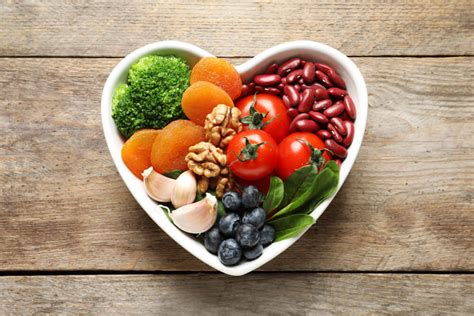
What you eat directly impacts your hormonal balance. Incorporating specific foods can provide the building blocks and regulatory nutrients needed for optimal testosterone synthesis.
Zinc-Rich Foods
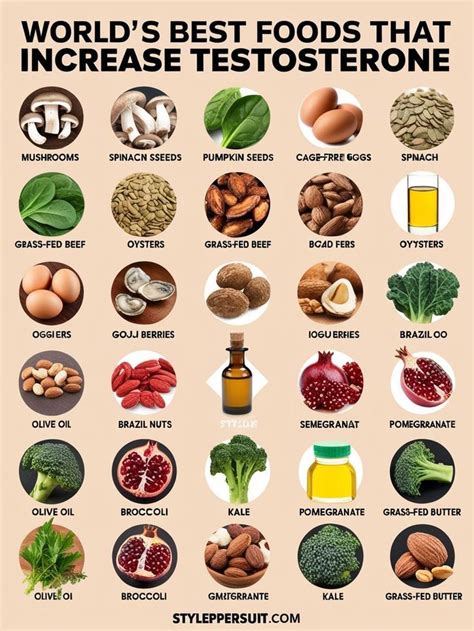
Zinc is a crucial mineral that influences testosterone production. Deficiencies are directly linked to lower levels. Excellent sources include oysters, red meat (especially beef), poultry, beans, nuts, and whole grains.
Vitamin D
Often referred to as the ‘sunshine vitamin,’ Vitamin D functions as a steroid hormone in the body and has a strong correlation with testosterone levels. While sunlight exposure is key, dietary sources like fatty fish (salmon, tuna, mackerel), fortified milk, and egg yolks can also contribute.
Healthy Fats
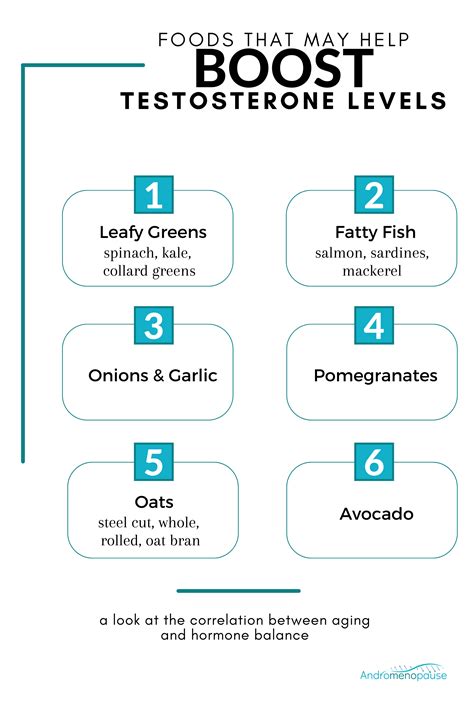
Don’t shy away from healthy fats. Cholesterol is a precursor to testosterone, and healthy fats are essential for its production. Incorporate monounsaturated and polyunsaturated fats from sources like avocados, olive oil, nuts (almonds, walnuts), seeds (chia, flax), and fatty fish.
Magnesium-Rich Foods
Magnesium plays a role in numerous enzymatic reactions, including those involved in testosterone synthesis. Foods high in magnesium include leafy green vegetables (spinach, kale), nuts, seeds, legumes, and dark chocolate.
Cruciferous Vegetables for Estrogen Balance
Vegetables like broccoli, cauliflower, Brussels sprouts, and cabbage contain compounds (like indole-3-carbinol) that help the body metabolize estrogen more efficiently. While estrogen is necessary, an imbalance can suppress testosterone, making these vegetables vital for hormonal harmony.
Lifestyle Habits to Boost Testosterone
Beyond diet, daily habits profoundly influence your body’s ability to produce and regulate hormones.
Prioritize Strength Training
Resistance exercise, particularly compound movements like squats, deadlifts, bench presses, and rows, has been consistently shown to increase testosterone levels. Aim for 3-4 sessions per week, focusing on progressive overload.

Ensure Adequate Sleep
Sleep deprivation is a major disruptor of hormone production. Most testosterone is produced during sleep, particularly during REM cycles. Aim for 7-9 hours of quality sleep per night to optimize your body’s natural restorative processes.
Manage Stress Effectively
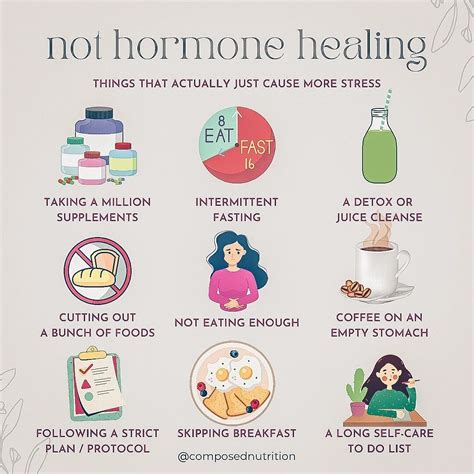
Chronic stress elevates cortisol, the stress hormone, which can suppress testosterone production. Incorporate stress-reducing activities into your routine such as meditation, yoga, deep breathing exercises, spending time in nature, or engaging in hobbies.

Maintain a Healthy Body Weight
Excess body fat, particularly around the abdomen, can lead to increased aromatase activity, an enzyme that converts testosterone into estrogen. Losing excess weight through a balanced diet and regular exercise can significantly improve testosterone levels.
Limit Alcohol and Sugar Intake
Excessive alcohol consumption and a diet high in refined sugars can negatively impact testosterone production and overall metabolic health. Moderation is key for both.

Conclusion
Optimizing male hormones, particularly natural testosterone, is a multifaceted endeavor that combines smart dietary choices with disciplined lifestyle habits. By focusing on nutrient-dense foods, engaging in regular strength training, prioritizing quality sleep, effectively managing stress, and maintaining a healthy weight, men can empower their bodies to produce testosterone more efficiently, leading to improved energy, mood, strength, and overall well-being. Consult with a healthcare professional before making significant dietary or lifestyle changes, especially if you suspect you have very low testosterone levels.