




Optimize male hormones: What’s the best natural strategy to boost testosterone?

Low testosterone is a growing concern for many men, impacting everything from energy levels and mood to muscle mass and libido. While pharmaceutical interventions exist, a significant number of men are seeking natural, sustainable strategies to optimize their hormonal health. The good news is that a holistic approach, focusing on lifestyle and dietary changes, can yield remarkable results.
Understanding Testosterone and Its Importance
Testosterone, the primary male sex hormone, plays a crucial role in numerous bodily functions beyond just sexual health. It’s vital for bone density, muscle mass, red blood cell production, fat distribution, and even cognitive function and mood. As men age, testosterone levels naturally decline, but various lifestyle factors can accelerate this decline or prevent optimal production, even in younger men.

Diet: Fueling Your Hormones Naturally
What you eat directly impacts hormone synthesis. A diet rich in whole foods, healthy fats, lean proteins, and complex carbohydrates is fundamental.
Prioritize Healthy Fats
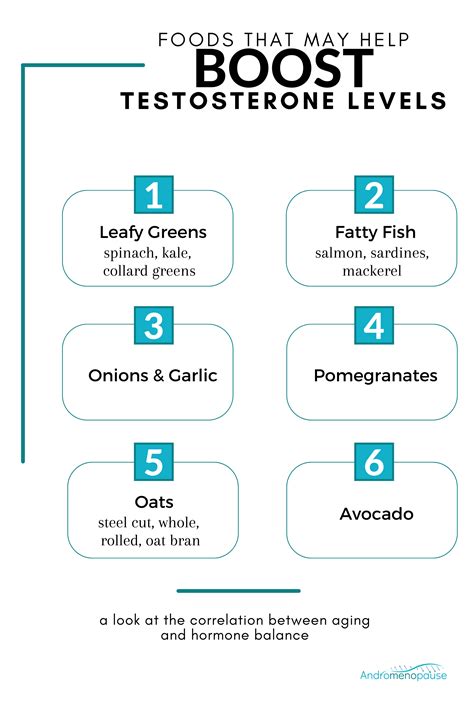
- Monounsaturated and Polyunsaturated Fats: Found in avocados, nuts, seeds, and olive oil, these are crucial for hormone production.
- Saturated Fats (in moderation): While often demonized, a moderate intake from sources like grass-fed meat or coconut oil can also support testosterone synthesis.
Adequate Protein Intake
Protein is essential for muscle building and overall bodily repair, which indirectly supports hormonal balance. Aim for sources like lean meats, poultry, fish, eggs, and legumes.
Strategic Carbohydrates
Don’t cut carbs entirely. Complex carbohydrates from whole grains, fruits, and vegetables provide energy for workouts and help manage cortisol (stress hormone) levels, which can negatively impact testosterone.
Micronutrient Powerhouses
Certain vitamins and minerals are critical:
- Zinc: Found in oysters, red meat, and pumpkin seeds, zinc is directly involved in testosterone production.
- Vitamin D: Often called the “sunshine vitamin,” Vitamin D deficiency is highly correlated with low testosterone. Get regular sun exposure or consider supplementation.
- Magnesium: Important for muscle function and sleep, magnesium also plays a role in testosterone levels. Sources include leafy greens, nuts, and dark chocolate.

Exercise: The Testosterone Booster
Regular physical activity, particularly specific types, is one of the most potent natural testosterone boosters.
Strength Training
Lifting heavy weights, especially compound movements like squats, deadlifts, bench presses, and rows, stimulates a significant testosterone response. Aim for 3-4 sessions per week.
High-Intensity Interval Training (HIIT)
Short bursts of intense exercise followed by brief recovery periods can also effectively boost testosterone and growth hormone.
Avoid Chronic Overtraining
While exercise is good, excessive, prolonged cardio or overtraining without adequate recovery can actually decrease testosterone and increase cortisol. Balance is key.

Sleep: The Unsung Hero of Hormonal Health
Sleep deprivation is a major enemy of testosterone. Most testosterone is produced during deep sleep.
- Aim for 7-9 Hours: Consistent, high-quality sleep is non-negotiable for optimal hormone production.
- Optimize Your Sleep Environment: A dark, cool, and quiet room free from electronic distractions can significantly improve sleep quality.
Stress Management: Taming Cortisol
Chronic stress leads to elevated cortisol levels. Cortisol and testosterone have an inverse relationship; as one goes up, the other tends to go down.
- Mindfulness and Meditation: Regular practice can reduce stress and lower cortisol.
- Hobbies and Relaxation: Engage in activities you enjoy to unwind.
- Spend Time in Nature: Known to reduce stress and improve well-being.

Lifestyle Factors and Environment
- Limit Alcohol: Excessive alcohol consumption can impair testosterone production.
- Avoid Endocrine Disruptors: Chemicals found in plastics (BPA, phthalates) and some personal care products can mimic hormones and disrupt the endocrine system. Opt for glass or stainless steel containers and natural products.
- Maintain a Healthy Weight: Obesity, particularly abdominal fat, is strongly linked to lower testosterone as fat cells convert testosterone into estrogen.
Natural Supplements (Use with Caution)
While a whole-food diet and lifestyle changes are paramount, certain supplements may offer additional support, but should not be relied upon as a primary solution. Always consult a healthcare professional before starting any new supplement regimen.
- Ashwagandha: An adaptogenic herb shown to reduce stress and potentially boost testosterone.
- Fenugreek: Some studies suggest it can improve libido and testosterone levels.
- D-Aspartic Acid: An amino acid that may play a role in regulating testosterone synthesis.
Conclusion: A Holistic Path to Hormonal Health
Boosting testosterone naturally is not about finding a magic pill; it’s about adopting a consistent, holistic approach to your health. By optimizing your diet, engaging in smart exercise, prioritizing quality sleep, managing stress effectively, and being mindful of environmental factors, you can significantly enhance your body’s natural ability to produce and regulate testosterone. This comprehensive strategy not only supports robust male hormone levels but also contributes to overall vitality, well-being, and a higher quality of life.