




Optimize male hormones & muscle: What diet best supports peak strength & recovery?

Fueling Peak Performance: The Dietary Blueprint for Male Hormones and Muscle
For men aiming to build muscle, increase strength, and recover efficiently, nutrition is the foundational pillar. Beyond just hitting the gym, what you put into your body directly impacts crucial male hormones, most notably testosterone, which plays a pivotal role in muscle protein synthesis, fat distribution, bone density, and overall vitality. Understanding the intricate link between diet, hormones, and physical output is key to unlocking your full potential.
This article will delve into the specific dietary components that not only support robust hormonal health but also provide the necessary building blocks and energy for unparalleled strength and recovery.
The Hormonal Connection: Testosterone and Beyond
Testosterone is paramount for male physical development. Optimal levels contribute to lean muscle mass, strength, energy, and even mood. While aging naturally leads to a gradual decline, lifestyle factors – especially diet – can significantly influence its production and utilization.
Other hormones like insulin, growth hormone, and cortisol also play a role. A balanced diet helps maintain healthy insulin sensitivity, supports growth hormone release, and mitigates excessive cortisol (the stress hormone), which can be catabolic to muscle tissue.
Macronutrients: The Pillars of Power
Protein: The Muscle Master Builder
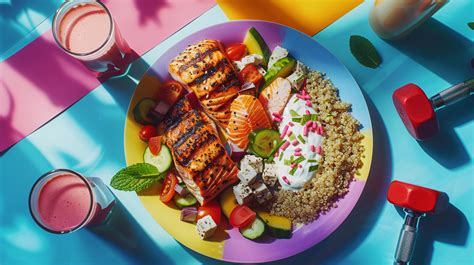
Protein is non-negotiable for muscle growth and repair. It provides the amino acids needed for muscle protein synthesis (MPS). Aim for 1.6-2.2 grams of protein per kilogram of body weight, distributed throughout the day. Excellent sources include lean meats (chicken, beef, fish), eggs, dairy (Greek yogurt, cottage cheese), and plant-based options like legumes, tofu, and quinoa.
Healthy Fats: Hormone Production Powerhouses
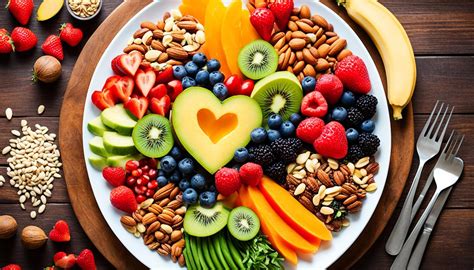
Dietary fats, particularly saturated and monounsaturated fats, are crucial precursors for steroid hormone production, including testosterone. Don’t shy away from healthy fats. Incorporate sources like avocados, olive oil, nuts, seeds, fatty fish (salmon, mackerel), and coconut oil. Omega-3 fatty acids, found in fish oil, flaxseeds, and walnuts, are also vital for reducing inflammation and supporting overall cellular health.
Carbohydrates: Fuel for Performance and Recovery
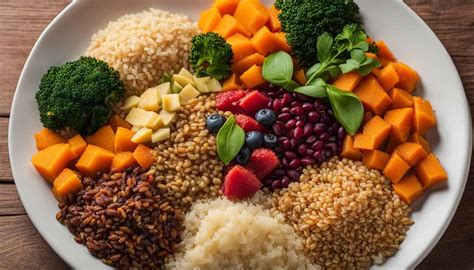
Carbohydrates are your primary energy source for high-intensity training. Adequate carbohydrate intake replenishes glycogen stores in muscles, preventing fatigue and aiding recovery. Opt for complex carbohydrates like whole grains (oats, brown rice, quinoa), sweet potatoes, fruits, and vegetables. Timing your carb intake around workouts can be particularly beneficial for maximizing performance and speeding up post-exercise recovery.
Micronutrients: The Essential Catalysts
While macros provide bulk, micronutrients act as crucial catalysts for hundreds of bodily processes, including hormone synthesis and muscle function.
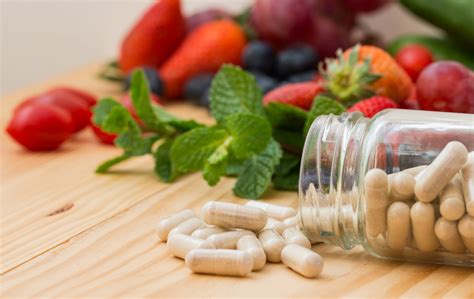
- Vitamin D: Linked to testosterone levels and bone health. Sunlight exposure is key, but supplementation may be necessary, especially in winter months.
- Zinc: Essential for testosterone production and immune function. Found in red meat, shellfish, legumes, nuts, and seeds.
- Magnesium: Supports muscle and nerve function, energy production, and sleep, all of which indirectly impact hormone health. Rich sources include dark leafy greens, nuts, seeds, and whole grains.
- B Vitamins: Play a role in energy metabolism and cellular health. Found in a variety of whole foods.
- Selenium: An antioxidant that supports thyroid function, which indirectly affects metabolism and hormone balance. Brazil nuts, fish, and whole grains are good sources.
Key Dietary Strategies and Food Choices
- Prioritize Whole, Unprocessed Foods: Base your diet around fruits, vegetables, lean proteins, whole grains, and healthy fats. Minimize processed foods, refined sugars, and excessive trans fats, which can negatively impact hormonal balance and overall health.
- Cruciferous Vegetables: Broccoli, cauliflower, Brussels sprouts, and kale contain compounds that help the body manage estrogen levels, which can be beneficial for maintaining a healthy testosterone-to-estrogen ratio.
- Fermented Foods: Kimchi, sauerkraut, and yogurt can support gut health. A healthy gut microbiome is increasingly recognized for its role in nutrient absorption and overall well-being, including hormonal balance.
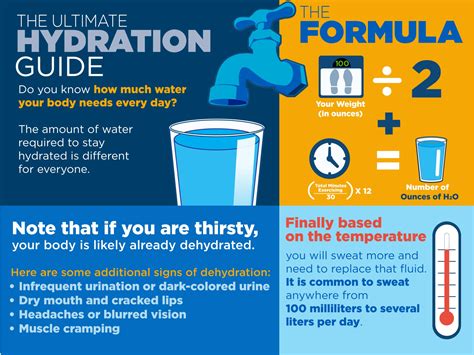
- Hydration: Often overlooked, adequate water intake is critical for every bodily function, including nutrient transport, waste removal, and maintaining cellular integrity. Aim for at least 8-10 glasses of water daily.
Consistency and Timing
It’s not just what you eat, but when you eat it. Consistent meal timing helps regulate blood sugar and energy levels. Consuming protein and carbohydrates around your workouts (pre- and post-exercise) can optimize performance and accelerate recovery. However, long-term consistency in a nutrient-dense diet trumps sporadic perfect meals.

Conclusion
Optimizing male hormones, building muscle, and achieving peak strength and recovery is a holistic endeavor, with diet standing as a cornerstone. By focusing on a balanced intake of high-quality proteins, healthy fats, complex carbohydrates, and essential micronutrients from whole, unprocessed foods, men can create an internal environment conducive to hormonal health and athletic excellence. Remember, consistency, smart food choices, and adequate hydration are your most powerful tools in this journey towards peak physical performance and lasting vitality.