



Optimize gym time: build strength & shred fat efficiently?
The Dual Challenge: Building Strength & Shredding Fat
Many gym-goers face the common dilemma: how to effectively build strength and muscle while simultaneously shedding unwanted body fat. Often perceived as conflicting goals, with one requiring a calorie surplus and the other a deficit, it is indeed possible to pursue both efficiently. The key lies in strategic planning, intelligent training, and a disciplined approach to nutrition and recovery. This article will guide you through the principles and practical steps to optimize your gym time for maximum results in both domains.
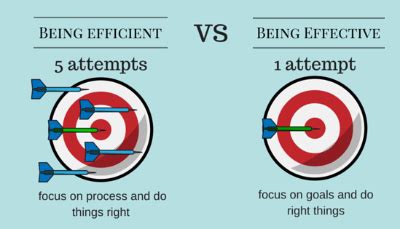
Achieving body recomposition – changing your body’s fat-to-muscle ratio – requires a nuanced understanding of how your body responds to different stimuli. It’s not about doing more, but about doing what’s right, with intensity and purpose.
Core Principles for Efficient Body Recomposition
Prioritize Compound Movements
Compound exercises are the cornerstone of any effective strength and fat loss program. These movements engage multiple joints and muscle groups simultaneously, leading to greater caloric expenditure during and after your workout, and superior muscle-building stimulus. Think squats, deadlifts, bench presses, overhead presses, and rows. By focusing your training around these movements, you ensure maximum muscle activation and hormonal response, which are crucial for both strength gains and fat metabolism.
Embrace Progressive Overload
To continually build strength and muscle, your body needs to be challenged more over time. This principle, known as progressive overload, can be applied by increasing the weight, reps, sets, reducing rest times, or improving form. Without progressive overload, your muscles lack a reason to adapt and grow stronger, which is fundamental for maintaining a high metabolic rate and facilitating fat loss.
Integrate High-Intensity Interval Training (HIIT)
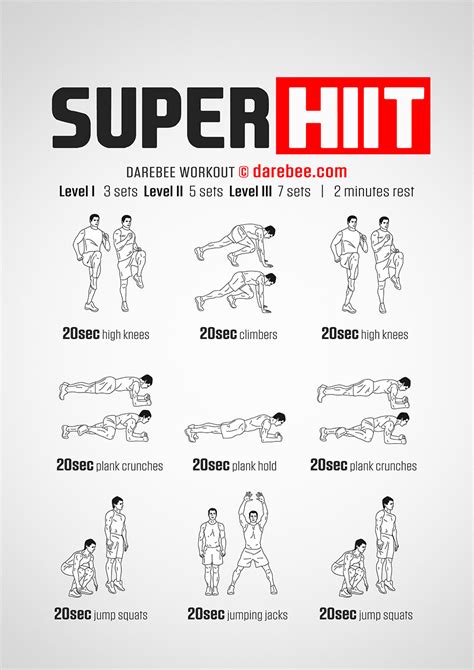
While strength training is paramount, strategically incorporating High-Intensity Interval Training (HIIT) can significantly accelerate fat loss without compromising muscle gains. HIIT involves short bursts of intense exercise followed by brief recovery periods. This type of training is highly effective for burning calories, boosting your metabolism for hours post-workout (EPOC effect), and improving cardiovascular fitness. Integrate 1-2 HIIT sessions per week on non-strength training days, or after your main lifts if energy permits, for 15-25 minutes.
Smart Workout Structuring
Full-Body Workouts vs. Splits
For efficient gym time and the simultaneous pursuit of strength and fat loss, full-body workouts performed 3-4 times per week are often highly effective. This allows for frequent muscle stimulation, greater overall caloric expenditure, and sufficient recovery for each muscle group between sessions. A typical session might involve 1-2 compound lifts for the lower body, 1-2 for the upper body pushing, and 1-2 for the upper body pulling, followed by a short HIIT finisher.
Alternatively, a well-designed split, such as an Upper/Lower split or Push/Pull/Legs (PPL), can also work. The key is to ensure enough volume and intensity for muscle growth while maintaining a frequency that supports consistent fat burning without overtraining.
The Crucial Role of Nutrition and Recovery
Fuel for Growth and Fat Loss
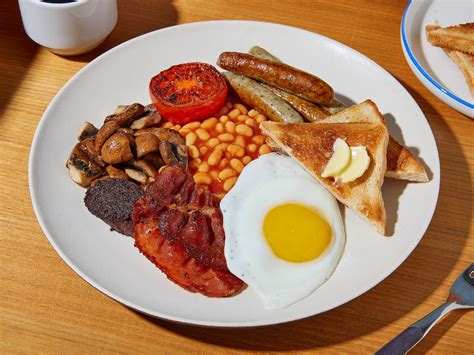
You cannot out-train a bad diet. For body recomposition, a slight calorie deficit is generally recommended for fat loss, but it must be sufficient to fuel your intense workouts and support muscle protein synthesis. Prioritize a high protein intake (around 1.6-2.2g per kg of body weight) to preserve muscle mass during a deficit and support recovery and growth. Balance your carbohydrates to fuel workouts and healthy fats for hormonal balance.
Rest and Recovery
Muscle growth and fat loss don’t happen in the gym; they happen during recovery. Ensure you are getting 7-9 hours of quality sleep per night. Sleep deprivation can impair muscle repair, increase cortisol (a stress hormone that promotes fat storage), and decrease testosterone, all detrimental to your goals. Active recovery, such as light walks or stretching, can also aid in reducing soreness and improving blood flow.
Track and Adapt
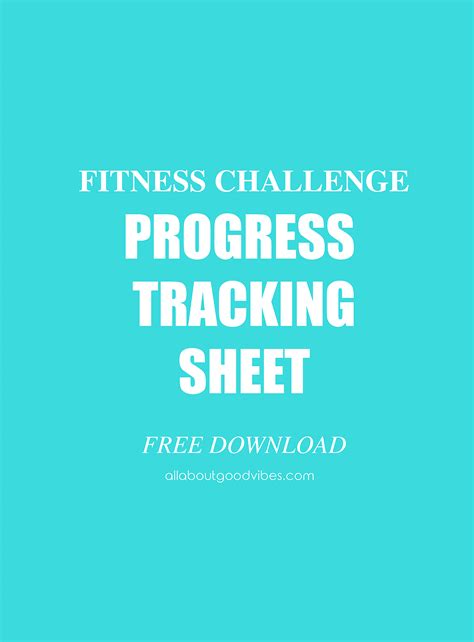
Consistency is key, but so is smart adaptation. Keep a detailed log of your workouts, noting the exercises, weights, sets, and reps. Track your body composition changes, not just the scale. Take progress photos, measure body circumference, and assess how your clothes fit. If progress stalls, evaluate your training intensity, nutrition, and recovery. Small, consistent adjustments based on data will lead to long-term success.
Maximizing Every Minute
Optimizing your gym time for both strength building and fat shredding is not about magic bullet solutions, but rather a holistic approach combining smart training, precise nutrition, and adequate recovery. By prioritizing compound movements, embracing progressive overload, integrating HIIT, structuring your workouts intelligently, and consistently monitoring your progress, you can achieve impressive results and transform your physique efficiently. Every minute in the gym becomes an investment in a stronger, leaner you.