




Optimize daily nutrition for peak energy, focus, and recovery?
Fueling Your Day for Optimal Performance
In today’s fast-paced world, many of us struggle to maintain consistent energy levels, sharp focus, and efficient recovery from daily stressors, be they physical or mental. While factors like sleep and exercise play a crucial role, the foundation for all these pillars of well-being lies in what you put on your plate. Optimizing your daily nutrition isn’t just about avoiding deficiencies; it’s about strategically fueling your body and brain to operate at their absolute best.
The Energy Equation: Sustained Power, No Crashes
To keep your energy high and steady throughout the day, focus on complex carbohydrates, healthy fats, and lean proteins, distributed evenly across your meals.
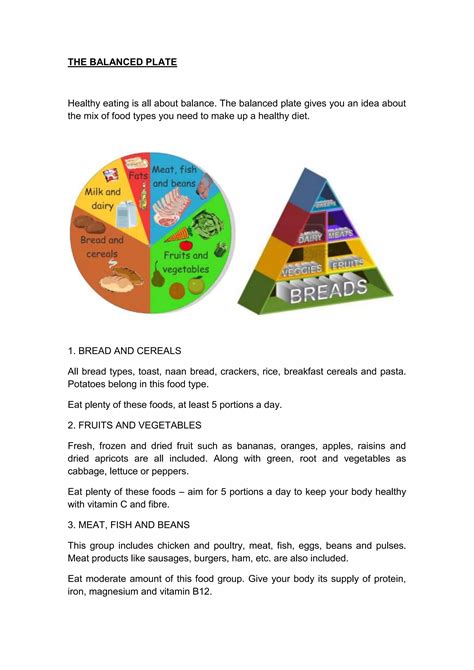
- Complex Carbohydrates: These are your primary energy source. Opt for whole grains like oats, quinoa, brown rice, and nutrient-dense vegetables. They provide a slow, steady release of glucose into the bloodstream, preventing the dreaded sugar crash often associated with refined carbs.
- Healthy Fats: Essential for long-term energy and satiety. Incorporate avocados, nuts, seeds, olive oil, and fatty fish. These fats not only provide dense energy but also support hormone production and nutrient absorption.
- Lean Proteins: Crucial for muscle repair and preventing energy dips. Chicken, fish, lean red meat, tofu, lentils, and Greek yogurt provide amino acids that help stabilize blood sugar and keep you feeling full and energized. Timing your protein intake throughout the day helps maintain muscle mass and supports a stable metabolism.
Sharpening Your Mind: Nutrition for Peak Focus & Cognitive Function
What you eat directly impacts your brain’s ability to concentrate, remember, and process information. Certain nutrients are vital for neuroprotection and neurotransmitter synthesis.
- Omega-3 Fatty Acids: Found in fatty fish (salmon, mackerel), flaxseeds, and walnuts, these are critical for brain health, improving memory, mood, and cognitive function. DHA, a type of omega-3, is a major structural component of the brain.
- Antioxidants: Berries, dark leafy greens, dark chocolate, and colorful vegetables are packed with antioxidants that protect brain cells from oxidative stress and inflammation, which can impair cognitive function.
- B Vitamins: Whole grains, legumes, and leafy greens supply B vitamins, essential for energy production in brain cells and the synthesis of neurotransmitters that regulate mood and focus.
- Hydration: Even mild dehydration can impair concentration and mood. Make sure to drink plenty of water throughout the day.

Accelerating Recovery: Repairing and Rebuilding
Whether recovering from a tough workout or a mentally draining day, nutrition plays a pivotal role in repairing tissues, reducing inflammation, and preparing your body for the next challenge.
- High-Quality Protein: Post-exercise, consuming protein (e.g., whey protein, chicken breast, eggs) helps repair muscle fibers and initiate protein synthesis. Aim for 20-30 grams within an hour or two after physical activity.
- Anti-inflammatory Foods: Turmeric, ginger, tart cherries, and dark leafy greens contain compounds that can reduce inflammation and speed up recovery time.
- Electrolytes: Replenish electrolytes lost through sweat, especially after intense activity. Coconut water, fruits, and vegetables are natural sources.
- Sleep-Supporting Nutrients: Magnesium (nuts, seeds, leafy greens) and tryptophan (turkey, eggs, nuts) can aid in sleep quality, which is paramount for overall recovery.

Practical Strategies for Daily Nutritional Optimization
Translating nutritional science into daily habits requires a practical approach:
- Plan Your Meals: Lay out your meals and snacks for the week to ensure you’re incorporating all necessary macronutrients and micronutrients. This prevents impulsive, less healthy choices.
- Prioritize Whole Foods: Minimize processed foods, sugary drinks, and artificial ingredients. Focus on foods in their most natural state.
- Listen to Your Body: Pay attention to how different foods make you feel. Do certain meals leave you sluggish or energized? Adjust accordingly.
- Stay Hydrated: Carry a water bottle and sip throughout the day. Infuse water with fruits for variety.
- Don’t Fear Fats: Embrace healthy fats in moderation; they are crucial for brain function, hormone production, and satiety.

The Holistic Power of Strategic Nutrition
Optimizing your daily nutrition is more than just eating healthy; it’s an investment in your physical and mental capital. By making conscious food choices that support sustained energy, enhanced focus, and efficient recovery, you empower yourself to navigate daily demands with greater resilience and vitality. Start making small, sustainable changes today, and watch as your performance across all aspects of life reaches new heights.