





Optimize daily energy: What macro split fuels consistent high performance?

The Foundation of Consistent Energy: Understanding Macronutrients
In the pursuit of consistent high performance, whether in the boardroom, on the track, or in your daily life, the fuel you provide your body is paramount. While calorie count often dominates dietary discussions, the distribution of those calories among macronutrients—carbohydrates, proteins, and fats—is equally, if not more, critical for optimizing daily energy and sustaining peak output. An intelligent macronutrient split can be the difference between hitting a midday slump and powering through your most demanding tasks.
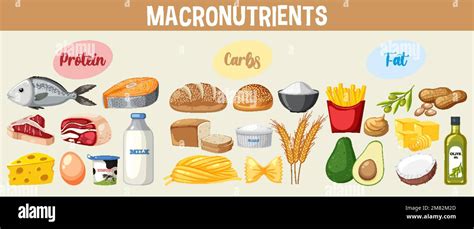
Macronutrients are the nutrients your body needs in large amounts to provide energy and support vital bodily functions. Let’s briefly break down their individual roles:
- Carbohydrates: Your body’s primary and most readily available energy source. They break down into glucose, fueling your brain, muscles, and organs. Complex carbohydrates, like whole grains, fruits, and vegetables, provide sustained energy, while simple carbs offer quick bursts.
- Proteins: Essential for building and repairing tissues, making enzymes and hormones, and supporting immune function. While not primarily an energy source, protein can be used for energy if carbohydrate and fat stores are insufficient. It also contributes significantly to satiety.
- Fats: A concentrated source of energy, vital for hormone production, nutrient absorption (vitamins A, D, E, K), cell membrane integrity, and cushioning organs. Healthy fats provide long-lasting energy and promote overall health.
Crafting Your Optimal Macro Split for Performance
There’s no single “perfect” macro split that applies to everyone. Your ideal ratio depends heavily on your activity level, performance goals, body composition, and individual metabolism. However, understanding general guidelines can help you tailor a strategy.

For most individuals aiming for consistent energy and high performance, a balanced approach often works best, serving as a solid starting point. This typically involves:
- Carbohydrates: 40-60% of total daily calories. This range supports consistent energy for daily activities and moderate exercise, replenishing glycogen stores. Athletes with very high energy demands may require closer to 60% or even higher.
- Proteins: 20-35% of total daily calories. Adequate protein intake is crucial for muscle repair and recovery, enzyme function, and preventing muscle breakdown, especially important for active individuals.
- Fats: 20-35% of total daily calories. Healthy fats are essential for hormone balance, nutrient absorption, and providing a steady, long-burning energy source. Prioritize unsaturated fats from sources like avocados, nuts, seeds, and olive oil.
Tailoring the Split to Your Lifestyle and Goals
While the balanced approach is a great starting point, specific goals or lifestyles might necessitate adjustments:
Endurance Athletes
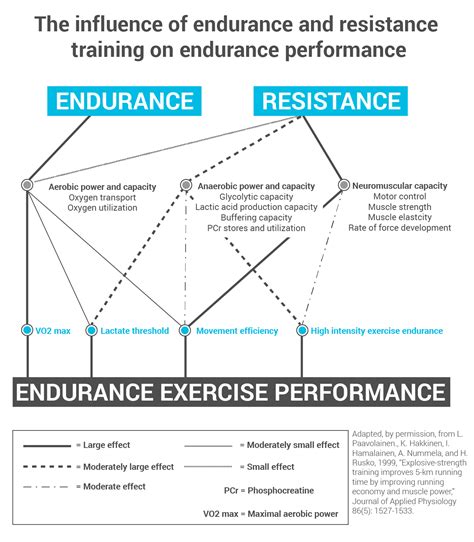
Athletes engaged in prolonged, high-intensity activities (e.g., marathon runners, triathletes) often benefit from a higher carbohydrate intake (50-65% or more) to maximize glycogen stores, ensuring a sustained fuel supply. Protein remains crucial for recovery (20-25%), with fats filling the remainder (15-25%).
Strength and Power Athletes
Individuals focused on muscle gain and strength benefit from a higher protein intake (25-35% or even higher for very intensive training phases) to support muscle protein synthesis and repair. Carbohydrates (35-50%) are still vital for fueling workouts and recovery, with fats (20-30%) providing essential functions and sustained energy.
Weight Management
For fat loss, a moderate-to-high protein intake (25-40%) can be advantageous due to its satiety effects and role in preserving lean muscle mass during a calorie deficit. Carbohydrates and fats would then be adjusted based on preference and energy needs, often with a slight reduction in overall carbohydrates (30-40%) while maintaining healthy fat intake (25-35%).

The Importance of Personalization and Tracking
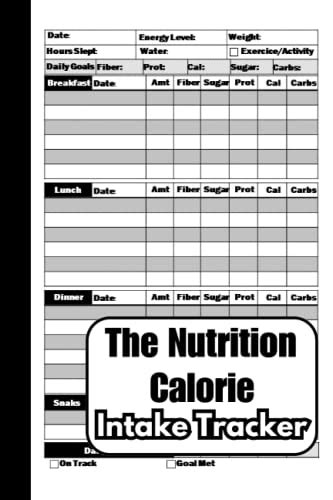
The numbers are merely guidelines. The true “optimization” comes through experimentation and listening to your body. Start with a baseline, track your food intake, monitor your energy levels, workout performance, mood, and recovery. Are you experiencing crashes? Are you constantly hungry? Is your performance plateauing? These are all indicators that your macro split might need fine-tuning.
Utilizing nutrition tracking apps can be incredibly helpful in understanding your current intake and making gradual adjustments. Focus on whole, unprocessed foods as the foundation of your diet, regardless of your macro split. The quality of your macronutrients is just as important as their quantity.
By consciously adjusting your macronutrient ratios, you gain a powerful tool to manage your daily energy, enhance physical and mental performance, and ultimately achieve a state of consistent high output. It’s an ongoing process of learning and adaptation, but one that yields significant returns in your overall well-being and productivity.