





Optimize body recomposition: Best strategies for building lean muscle, shredding fat?
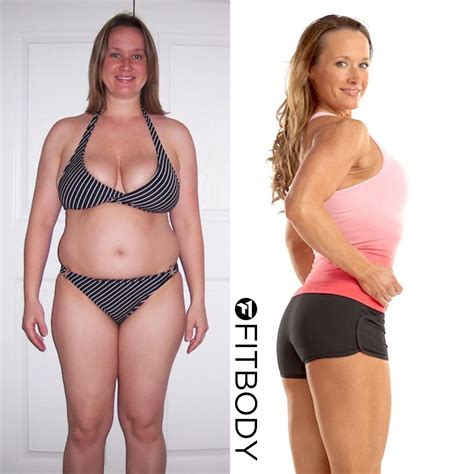
Body recomposition – the simultaneous pursuit of building lean muscle and shedding body fat – is often considered the holy grail of fitness. While challenging, it’s an achievable goal with the right strategic approach. Unlike traditional bulking and cutting cycles, recomposition focuses on optimizing your body’s environment to support both anabolic (muscle-building) and catabolic (fat-burning) processes. This article will break down the most effective strategies to help you sculpt a stronger, leaner physique.
The Foundation: Strategic Nutrition
Nutrition is the cornerstone of successful body recomposition. It requires a nuanced approach, often involving a slight caloric deficit or maintenance, coupled with precise macronutrient distribution.
- Caloric Intake: For many, a small caloric deficit (100-300 calories below maintenance) is effective. This allows for fat loss while providing enough energy to support muscle protein synthesis, especially when combined with intense training. Some individuals, particularly beginners or those returning to training, can even achieve recomposition at maintenance calories.
- Protein Prioritization: High protein intake is non-negotiable. Aim for 1.6-2.2 grams of protein per kilogram of body weight (or 0.7-1 gram per pound). This helps preserve muscle mass during a deficit, supports muscle repair and growth, and boosts satiety.
- Carbohydrate and Fat Cycling: Distribute your remaining calories between carbohydrates and fats. Consider nutrient timing: consume the majority of your carbohydrates around your workouts to fuel performance and aid recovery. Healthy fats are crucial for hormone production and overall health; don’t eliminate them entirely.

Mastering Resistance Training
To build muscle, you must give your body a reason to adapt and grow. Resistance training is the most potent stimulus for muscle protein synthesis.
- Progressive Overload: This is the golden rule of muscle building. Consistently challenge your muscles by gradually increasing the weight, reps, sets, or decreasing rest times. Your body adapts to the demands placed upon it, so keep demanding more.
- Compound Movements: Prioritize exercises that engage multiple muscle groups, such as squats, deadlifts, bench presses, overhead presses, and rows. These movements are highly effective for stimulating overall muscle growth and strength.
- Volume and Intensity: Aim for 3-5 full-body or split resistance training sessions per week. Focus on lifting heavy enough to challenge yourself within rep ranges suitable for hypertrophy (typically 6-12 reps per set).

Integrating Effective Cardio
Cardio plays a supporting role in fat loss and cardiovascular health without necessarily interfering with muscle gains.
- Low-Intensity Steady-State (LISS): Activities like walking, jogging, or cycling for 30-60 minutes a few times a week can effectively burn calories and improve cardiovascular fitness without significantly impacting recovery from resistance training. Perform LISS on separate days or after your strength workouts.
- High-Intensity Interval Training (HIIT): Short, intense bursts of exercise followed by brief recovery periods can be very effective for calorie expenditure and improving metabolic conditioning. However, due to its demanding nature, incorporate HIIT sparingly (1-2 times per week) to avoid overtraining and ensure adequate recovery for muscle building.

The Critical Role of Recovery and Lifestyle
Your body grows and recovers outside the gym. Neglecting these factors will sabotage your recomposition efforts.
- Prioritize Sleep: Aim for 7-9 hours of quality sleep per night. Sleep is crucial for hormone regulation (growth hormone, testosterone, cortisol), muscle repair, and overall recovery.
- Manage Stress: Chronic stress elevates cortisol levels, which can hinder fat loss and even promote muscle breakdown. Incorporate stress-reduction techniques like meditation, yoga, or hobbies.
- Hydration: Drink plenty of water throughout the day. Proper hydration supports metabolic processes, nutrient transport, and overall bodily functions essential for performance and recovery.

Consistency, Patience, and Tracking Progress
Body recomposition is a marathon, not a sprint. Results take time, and consistent effort is paramount.
- Be Consistent: Adhere to your nutrition and training plan day in and day out. Occasional slip-ups are fine, but consistency over weeks and months is what drives progress.
- Be Patient: Visible changes often happen slowly. Don’t get discouraged if you don’t see drastic changes overnight. Celebrate small victories and focus on the long-term journey.
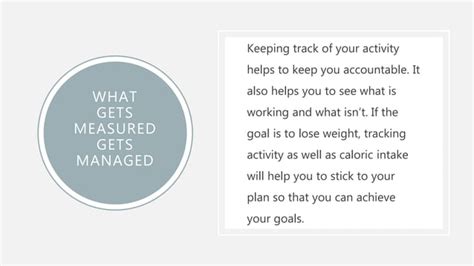
- Track Progress: Monitor more than just the scale. Take progress photos, measure body circumference, track your lifts in the gym, and note how your clothes fit. These metrics provide a more complete picture of your body recomposition success.
Conclusion: Your Recomposition Journey
Optimizing body recomposition requires a meticulous, integrated approach to nutrition, training, and lifestyle. By prioritizing protein, engaging in progressive resistance training, strategically using cardio, and ensuring adequate recovery, you can effectively build lean muscle while simultaneously shedding unwanted fat. Remember, consistency and patience are your greatest allies on this rewarding journey towards a more sculpted and functional physique. Consult with a fitness professional or registered dietitian for personalized guidance tailored to your specific needs and goals.