





Optimal workout strategy for peak strength & explosive power?
Achieving peak strength and explosive power is a goal for many athletes and fitness enthusiasts alike. It’s not just about lifting heavy; it’s about moving that weight with speed and intent, and generating maximal force in minimal time. A truly optimal strategy integrates various training modalities, focusing on neural adaptations, muscular hypertrophy, and movement efficiency. This article will outline the core components of such a strategy, guiding you toward unparalleled performance.
The Foundation: Heavy Compound Lifts
The bedrock of any strength and power program is heavy compound lifting. These multi-joint movements engage numerous muscle groups simultaneously, building foundational strength and stimulating significant hormonal responses crucial for muscle growth and recovery. Exercises like squats, deadlifts, bench presses, and overhead presses should form the core of your strength training.
For maximizing strength, focus on lower rep ranges (1-5 reps) with heavy loads (85-100% of your 1-rep max, 1RM). Proper form is paramount to prevent injury and ensure you’re effectively targeting the desired muscle groups. Incorporate progressive overload, gradually increasing the weight, reps, or sets over time, to continually challenge your muscles and nervous system.

Unleashing Explosive Power: Plyometrics & Ballistics
Once a strong foundation is built, integrating plyometrics and ballistic training is key for developing explosive power. These exercises focus on the stretch-shortening cycle of muscles, teaching them to produce maximum force in the shortest possible time. Think of it as teaching your muscles to be fast and powerful, not just strong.
Plyometric exercises include box jumps, broad jumps, depth jumps, medicine ball throws, and various bounds. Ballistic movements, such as kettlebell swings and some Olympic lift variations, involve accelerating a load through a full range of motion and releasing it or maintaining control through a powerful lockout. The key is intent: every repetition should be performed with maximum speed and effort, even if the load is light.

Integrating Olympic Lifts and Power Movements
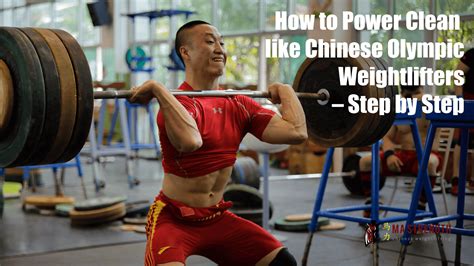
Olympic weightlifting (the snatch and clean & jerk) are unparalleled for developing full-body explosive power, coordination, and proprioception. While complex, learning these lifts or their variations (like power cleans and power snatches) can significantly enhance athletic performance. They demand a rapid transition from a pulling motion to a powerful drive, teaching the body to act as a cohesive unit.
If full Olympic lifts are too daunting, incorporating power variations or even simpler exercises like medicine ball slams, vertical jumps with a countermovement, and sled pushes can provide excellent power development benefits without the extensive technical mastery required for the full lifts. These movements specifically train the ability to accelerate a load, which is crucial for power output.
Strategic Programming: Periodization for Peak Performance
An optimal workout strategy isn’t just a collection of exercises; it’s how they are arranged over time. Periodization involves strategically varying training variables (intensity, volume, exercise selection) across different phases to prevent plateaus, minimize overtraining, and ensure peak performance at critical times. Common models include linear periodization (gradual increase in intensity and decrease in volume) and undulating periodization (more frequent changes in intensity and volume, often week-to-week or day-to-day).
A typical approach might involve a hypertrophy phase (higher reps, moderate weight) to build muscle mass, followed by a strength phase (lower reps, heavy weight), and then a power phase (explosive movements, light to moderate weight with high speed). Cycles could be macro (annual), meso (weeks to months), or micro (weekly). Regardless of the model, consistent progressive overload, adapted to the specific phase, remains fundamental.

The Pillars of Success: Recovery, Nutrition, and Warm-up
Even the most perfectly designed training program will fail without adequate recovery, proper nutrition, and intelligent warm-ups and cool-downs. Muscles grow and adapt during rest, not during the workout itself. Aim for 7-9 hours of quality sleep per night.
Nutrition provides the fuel for performance and the building blocks for repair. Prioritize adequate protein intake (1.6-2.2g per kg of body weight), complex carbohydrates for energy, and healthy fats. Hydration is also crucial for performance and preventing fatigue. Finally, a dynamic warm-up prepares your body for the demands of the workout, increasing blood flow and mobility, while a proper cool-down aids in recovery and flexibility.

Putting It All Together
An integrated program might involve dedicating specific days to strength or power, or combining them within the same session. For instance, you might start with a heavy compound lift for strength, followed by a plyometric exercise, and then accessory work. Listen to your body, be consistent, and progressively challenge yourself. With a well-structured plan that emphasizes heavy lifting, explosive movements, strategic programming, and meticulous recovery, you will be well on your way to achieving peak strength and formidable explosive power.