





Optimal workout split for peak strength, hypertrophy, and recovery?
Finding Your Ideal Training Rhythm
The quest for the ‘perfect’ workout split is a common journey for anyone serious about their fitness goals. With a myriad of options available, from full-body routines to highly specialized body-part splits, understanding which approach best serves your pursuit of peak strength, significant hypertrophy, and crucial recovery can be a game-changer. There’s no single magic bullet, but rather an optimal strategy tailored to individual goals, experience, time availability, and recuperative capacity.
Balancing these three pillars – strength, hypertrophy, and recovery – is essential for long-term progress. Neglecting one often compromises the others. For instance, chasing strength without adequate recovery leads to burnout, while focusing solely on hypertrophy without proper periodization might plateau strength gains. The key lies in selecting a split that allows for sufficient training stimulus, muscle protein synthesis, and physiological repair.

Deconstructing Popular Workout Splits
1. Full-Body Split (2-4 times/week)
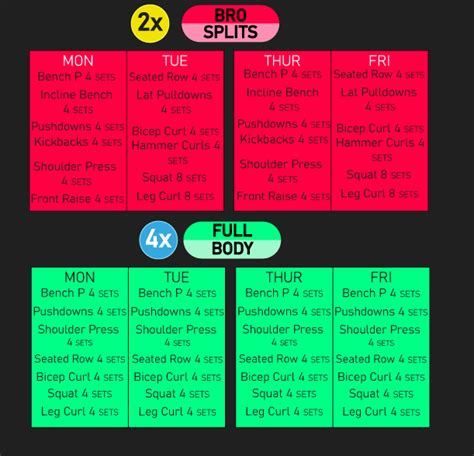
This classic approach involves training all major muscle groups in a single session. It’s excellent for beginners to build foundational strength and muscle awareness, and also effective for advanced lifters who benefit from high training frequency for each muscle group. Because each muscle group is hit multiple times per week, the volume per session for a specific muscle is typically lower, allowing for quicker recovery between workouts.
- Strength: High frequency for compound lifts.
- Hypertrophy: Good for protein synthesis stimulation due to frequent hits.
- Recovery: Ample rest days between full-body sessions.
2. Upper/Lower Split (3-4 times/week)
Dividing your body into upper and lower days allows for more focused volume on each area compared to a full-body split, while still maintaining a good frequency (each muscle group twice a week). A common setup is Upper, Lower, Rest, Upper, Lower, Rest, Rest.
- Strength: Good for progressing major compound lifts.
- Hypertrophy: Sufficient volume and frequency for muscle growth.
- Recovery: Individual muscle groups get adequate rest before being trained again.
3. Push/Pull/Legs (PPL) Split (3-6 times/week)
The PPL split organizes exercises based on movement patterns: ‘Push’ muscles (chest, shoulders, triceps), ‘Pull’ muscles (back, biceps), and ‘Legs’ (quads, hamstrings, glutes, calves). This split can be run 3 times a week (one cycle) or 6 times a week (two cycles), offering high frequency for each muscle group, which is highly beneficial for hypertrophy.
- Strength: Excellent for consistent practice on main lifts.
- Hypertrophy: Optimal frequency and volume potential for muscle growth.
- Recovery: While individual muscles get direct rest, the overall training frequency is high, requiring good recovery protocols.

4. Body Part Split (Bro Split) (3-5 times/week)
Typically involves dedicating an entire session to one or two muscle groups (e.g., Chest Day, Back Day, Leg Day, Shoulder Day, Arm Day). This allows for very high volume per muscle group in a single session, but each muscle is usually trained only once a week. While popular among bodybuilders, research suggests it might be less optimal for strength and hypertrophy compared to higher frequency splits for most natural lifters.
- Strength: Lower frequency for compound lifts might hinder rapid strength gains.
- Hypertrophy: Can be effective due to high volume and intensity, but less frequent protein synthesis stimulation.
- Recovery: Long recovery period for each muscle group between sessions.

Choosing Your Optimal Split: Factors to Consider
The ‘best’ split is highly individual and dynamic. Here’s how to assess your needs:
- Training Experience: Beginners often thrive on full-body splits. Intermediate lifters might move to Upper/Lower or PPL. Advanced lifters may use more specialized or periodized approaches.
- Time Commitment: How many days per week can you realistically train? A 3-day full-body split works for busy schedules, while a 6-day PPL requires significant dedication.
- Recovery Capacity: Your sleep quality, nutrition, stress levels, and genetics all impact how quickly you recover. If you’re constantly sore or fatigued, scale back frequency or volume.
- Specific Goals: If strength is paramount, a split allowing for frequent practice of main lifts (Full-Body, Upper/Lower, PPL) is often superior. For hypertrophy, splits offering high weekly volume and frequency (PPL, Upper/Lower) tend to excel.
- Enjoyment: Adherence is king. Choose a split you enjoy and can stick to consistently.
Beyond the Split: The True Pillars of Progress
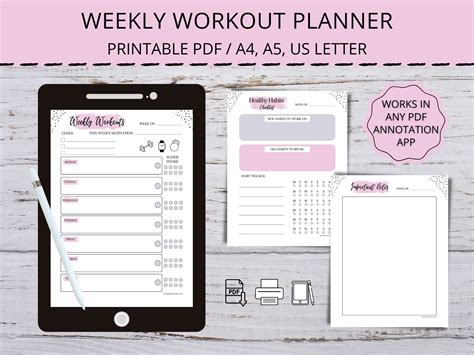
While the workout split dictates the organization of your training, success hinges on other critical variables:
- Progressive Overload: Consistently increasing the demands on your muscles (more weight, reps, sets, or reduced rest).
- Volume and Intensity: Finding the right balance. Too little won’t stimulate growth; too much will impede recovery.
- Nutrition: Adequate protein for muscle repair, sufficient carbohydrates for energy, and healthy fats for hormonal function.
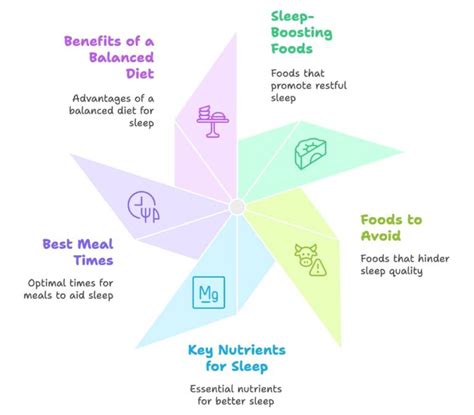
- Sleep: 7-9 hours of quality sleep per night is non-negotiable for recovery and muscle repair.
- Stress Management: Chronic stress elevates cortisol, hindering recovery and growth.
Conclusion: Experiment and Adapt
The optimal workout split isn’t a fixed destination but a journey of experimentation and adaptation. Start with a well-established split that aligns with your goals and schedule. Pay attention to how your body responds – are you recovering well? Are you making progress in strength and hypertrophy? Don’t be afraid to adjust your split, volume, or frequency as your goals, experience, and life circumstances evolve. Consistency, intelligent programming, and a holistic approach to recovery will ultimately be the most significant determinants of your peak strength, hypertrophy, and overall fitness success.