




Optimal tech gear for actionable peak performance insights?
In today’s fast-paced world, merely working hard isn’t enough; working smart, with a data-driven approach, is the key to unlocking true potential. Whether you’re an elite athlete, a busy professional, or someone simply striving for better health and productivity, understanding your body’s metrics and performance patterns is crucial. The right tech gear can transform abstract goals into actionable insights, providing the competitive edge needed to consistently perform at your peak.
The Data Revolution: From Guesswork to Precision
Gone are the days of relying solely on intuition or anecdotal evidence. Modern technology has ushered in an era where sophisticated sensors and powerful analytics platforms provide an unprecedented window into our physiological and psychological states. This revolution allows us to meticulously track everything from sleep quality and heart rate variability to training load and recovery status, enabling informed decisions that optimize every facet of performance.
Key Categories of Performance-Enhancing Tech
The market is flooded with gadgets, but truly optimal gear focuses on accuracy, reliability, and the ability to integrate data for a holistic view. Here’s a breakdown of essential categories:
Wearable Fitness Trackers & Smartwatches
These are the ubiquitous entry points into performance tracking, offering continuous monitoring of vital signs. Devices like the Apple Watch, Garmin Fenix series, or dedicated fitness bands provide essential data on heart rate, steps, calories burned, and even basic sleep patterns. Their versatility makes them indispensable for daily activity tracking and general wellness.
Advanced Biometric Sensors
Moving beyond basic fitness tracking, specialized sensors offer deeper physiological insights. The Oura Ring, for instance, excels in sleep tracking, body temperature, and Heart Rate Variability (HRV), providing critical data for recovery assessment. Continuous Glucose Monitors (CGMs), while traditionally medical devices, are gaining traction in the performance community for understanding real-time metabolic responses to diet and exercise, though their use case is more niche and often requires medical oversight.
![[2022] TRACK TO OPTIMIZE – The Top 3 Best Biometric Tracking Devices ...](/images/aHR0cHM6Ly90czEubW0uYmluZy5uZXQvdGg/aWQ9T0lQLld5d1JmeEhCMUxlM18zYm1jc0U5M3dBQUFBJnBpZD0xNS4x.webp)
GPS & Activity-Specific Trackers
For athletes focused on specific disciplines, highly specialized gear is non-negotiable. Running watches from brands like Garmin Forerunner or Coros track pace, distance, elevation, and advanced running dynamics. Cycling computers from Wahoo or Hammerhead provide detailed ride metrics, power output data (when paired with power meters), and navigation. Swim watches track strokes, pace, and efficiency in the water. These devices often integrate seamlessly with third-party sensors for a comprehensive training picture.
Recovery & Wellness Devices
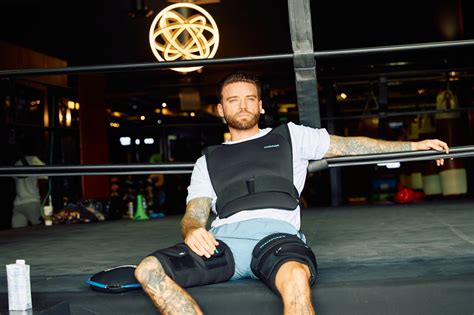
Performance isn’t just about training; it’s equally about effective recovery. Tools like percussive therapy devices (e.g., Theragun, Hyperice) aid muscle recovery and reduce soreness. Smart sleep systems (e.g., ChiliSleep, Eight Sleep) optimize sleep temperature for deeper, more restorative rest. Red light therapy devices are also emerging as popular tools for cellular recovery and inflammation reduction. Incorporating these into a routine can significantly enhance readiness for subsequent performance efforts.
Software & Analytics Platforms
Raw data is just numbers; its true value emerges through intelligent analysis. Platforms like TrainingPeaks, Strava (premium features), or specialized coaching software synthesize data from various devices into digestible reports and actionable recommendations. These platforms often use algorithms to calculate training load, fatigue, fitness trends, and predict performance, allowing individuals and coaches to adjust training plans dynamically.
Translating Data into Actionable Insights
The true power of optimal tech gear lies not just in collecting vast amounts of data, but in its interpretation. Understanding metrics like your average HRV trend, sleep efficiency scores, or consistent training load patterns allows you to make informed decisions. A consistently low HRV might indicate overtraining or stress, prompting a need for more rest. Poor sleep quality on consecutive nights could signal a need to adjust evening routines or seek further investigation.
By identifying correlations between your activities, recovery, and performance outcomes, you can personalize your approach. This could mean optimizing your nutrition based on real-time glucose data, adjusting workout intensity based on recovery scores, or even scheduling active recovery days when cumulative fatigue is high. The goal is to move beyond simply seeing the numbers to understanding what they mean for your unique physiology and performance goals.
Choosing Your Optimal Performance Gear
Selecting the right tech depends entirely on your specific goals, budget, and desired level of detail. For general wellness, a quality smartwatch might suffice. For serious athletes, a combination of activity-specific trackers, advanced biometrics, and a robust analytics platform is often necessary. Consider:
- Goals: Are you tracking running, sleep, overall stress, or specific health markers?
- Accuracy: Research reviews for data precision and reliability.
- Ecosystem: How well do devices integrate with each other and your preferred apps?
- Usability: Is the interface intuitive? Is the data easy to understand?
- Battery Life: Important for continuous tracking without frequent recharges.
- Budget: Performance tech ranges widely in price.
Conclusion
The journey to peak performance is continuously evolving, and technology is an invaluable co-pilot. By strategically investing in optimal tech gear, individuals can gain unparalleled visibility into their bodies and minds. This data-driven approach moves beyond guesswork, providing the actionable insights needed to refine training, enhance recovery, and consistently achieve higher levels of performance. Embrace the data, understand your patterns, and unlock your true potential.