




Optimal strength training: How to fuel peak male performance & rapid recovery?

For men dedicated to pushing their physical limits, achieving peak performance in strength training isn’t just about lifting heavy; it’s profoundly influenced by what you fuel your body with and how diligently you facilitate recovery. This article delves into the critical strategies that combine smart training with precise nutrition to maximize strength gains, enhance endurance, and ensure rapid, effective muscle repair.
The Pillars of Effective Strength Training
Before diving into nutrition, let’s briefly underscore the training principles themselves. Optimal strength training for men typically emphasizes compound movements like squats, deadlifts, bench presses, and overhead presses, which engage multiple muscle groups simultaneously. Progressive overload — consistently increasing the resistance, reps, or volume over time — is non-negotiable for continuous muscle growth and strength adaptation. Periodization, varying training intensity and volume, can also prevent plateaus and reduce injury risk.

Fueling Peak Performance: Macronutrients for Power
Protein: The Muscle Builder
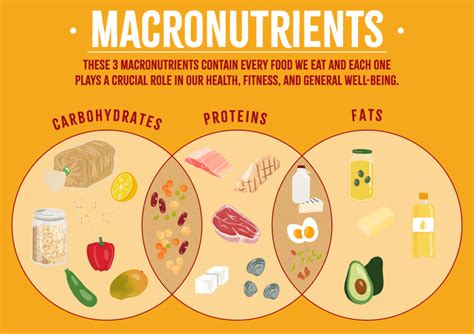
Protein is paramount. As the building blocks of muscle tissue, adequate protein intake is essential for repair and growth. Aim for 1.6-2.2 grams of protein per kilogram of body weight daily, distributed across meals. Lean meats, poultry, fish, eggs, dairy, and plant-based options like legumes and tofu are excellent sources.
Carbohydrates: The Energy Source
Carbohydrates are your primary fuel for high-intensity strength training. They replenish muscle glycogen stores, which are crucial for sustained energy and delaying fatigue. Focus on complex carbohydrates like whole grains, oats, sweet potatoes, and fruits. Tailor your carb intake to your activity level; highly active individuals will need more.
Healthy Fats: Hormonal Support and Overall Health
Don’t neglect healthy fats. They play a vital role in hormone production (including testosterone), nutrient absorption, and overall health. Incorporate sources like avocados, nuts, seeds, olive oil, and fatty fish into your diet. Fats should make up around 20-30% of your total daily caloric intake.
Strategic Hydration: More Than Just Water
Dehydration, even mild, can significantly impair performance, leading to reduced strength, endurance, and focus. Ensure consistent water intake throughout the day, and increase it around your workouts. Electrolytes, lost through sweat, can also be replenished through sports drinks (for intense, prolonged sessions) or by including electrolyte-rich foods.
Pre- and Intra-Workout Nutrition: Priming the Engine
Approximately 1-3 hours before your workout, consume a meal rich in complex carbohydrates and moderate protein to top off glycogen stores and provide amino acids. Examples include oatmeal with a scoop of protein, or chicken breast with a sweet potato. For longer, more intense sessions, intra-workout carbohydrates (e.g., a sports drink or carb powder) can help maintain energy levels and delay fatigue.

Accelerating Rapid Recovery: The Anabolic Window and Beyond
Post-Workout Nutrition: The “Anabolic Window”
The 30-60 minute window immediately after training is crucial for kickstarting recovery. Consume a combination of fast-acting carbohydrates (to replenish glycogen) and protein (to initiate muscle repair). A whey protein shake with a banana or dextrose is a classic and effective choice. This helps reduce muscle soreness and promotes faster adaptation.
The Power of Sleep
Often overlooked, sleep is arguably the most powerful recovery tool. During deep sleep, your body releases growth hormone, which is vital for muscle repair and growth. Aim for 7-9 hours of quality sleep per night. Poor sleep can compromise strength gains, recovery, and even testosterone levels.

Supplements: Smart Additions, Not Substitutes
While a whole-food diet is foundational, certain supplements can aid performance and recovery:
- Creatine Monohydrate: Enhances strength, power, and muscle mass by increasing ATP regeneration.
- Whey Protein: Convenient source of high-quality protein for muscle repair.
- BCAAs (Branched-Chain Amino Acids): Can help reduce muscle soreness and support protein synthesis, though generally less critical if protein intake is high.
- Omega-3 Fatty Acids: May reduce inflammation and support joint health.
- Vitamin D & Zinc: Important for overall health and hormone function, particularly in men.
Always consult with a healthcare professional or nutritionist before starting any new supplement regimen.

Conclusion: Consistency is Key
Achieving optimal strength training performance and rapid recovery is a continuous journey that integrates smart training design with meticulous nutritional planning and adequate rest. By prioritizing adequate protein, strategic carbohydrates, healthy fats, consistent hydration, and sufficient sleep, men can unlock their full physical potential, accelerate muscle growth, and sustain peak performance both in and out of the gym. Remember, consistency in all these areas is the ultimate accelerator for your fitness goals.