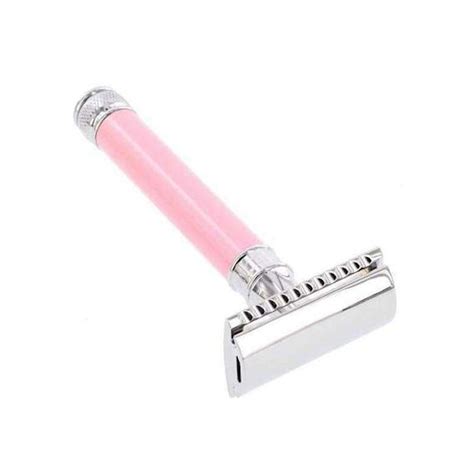





Optimal shave technique to eliminate razor burn and project peak confidence?
Unlock Your Best Self: The Art of an Irritation-Free, Confident Shave
For many, the daily shave is a ritual, but for too long, it’s been a source of discomfort. Razor burn, nicks, and ingrown hairs not only mar your appearance but can also chip away at your confidence. Imagine starting each day with a perfectly smooth, irritation-free face, radiating an aura of self-assurance. This isn’t just a dream; it’s an achievable reality with the right technique and understanding. Let’s explore the optimal shaving method designed to banish razor burn and leave you feeling impeccably confident.
The Foundation: Pre-Shave Preparation is Paramount
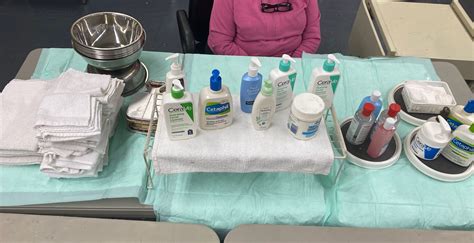
A great shave begins long before the blade touches your skin. Proper preparation softens your whiskers, opens pores, and creates a protective barrier, drastically reducing irritation. Start by washing your face with warm water or, even better, shave after a hot shower. The steam and warmth will soften your beard, making it easier to cut. A gentle exfoliant 2-3 times a week can also help remove dead skin cells and lift hairs, preventing ingrowns. Follow this with a quality pre-shave oil, which creates a slick layer that allows the razor to glide more smoothly.
The Lather and the Blade: Tools of the Trade
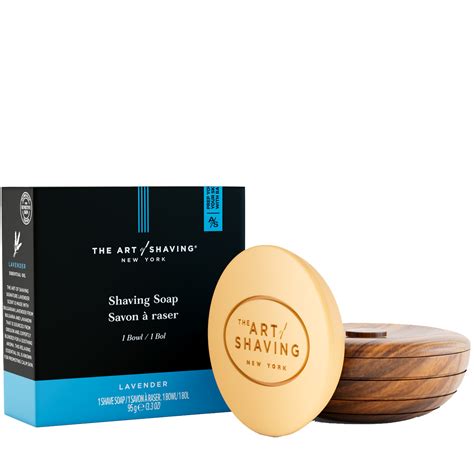
Your choice of shaving cream or soap, and how you apply it, plays a critical role. Opt for a rich, hydrating cream or a traditional shaving soap that generates a thick, creamy lather. Use a shaving brush to apply the lather in circular motions; this not only helps lift the whiskers but also further exfoliates and prepares the skin. As for the razor, a sharp blade is non-negotiable. Dull blades drag and pull, leading to irritation. Whether you prefer a multi-blade cartridge, a classic double-edge (DE) safety razor, or a straight razor, ensure your blade is fresh and clean.
Mastering the Stroke: Technique is Key
This is where many go wrong. The cardinal rule for preventing razor burn is to shave with the grain (the direction your hair grows) first. If you need a closer shave, you can perform a second pass across the grain, or even against it (only if your skin can tolerate it, and after the first pass has reduced most of the hair). Use light, short strokes, letting the razor do the work – never apply excessive pressure. Rinse your blade after every 1-2 strokes to prevent build-up, which can lead to snagging. Take your time, especially around sensitive areas like the neck and jawline.

The Essential Aftercare: Soothe and Protect
Once you’ve achieved your desired smoothness, rinse your face thoroughly with cool water to close your pores. Gently pat your skin dry with a clean towel; do not rub. Immediately follow with a high-quality, alcohol-free aftershave balm or moisturizer. Alcohol-based aftershaves can dry out and irritate your freshly shaven skin, counteracting all your hard work. Look for ingredients like aloe vera, witch hazel, or chamomile to soothe and hydrate, reducing redness and preventing post-shave dryness.

Maintaining the Regimen: Consistency for Confidence
Beyond the immediate shave, consistent care ensures lasting results. Replace your razor blades regularly – typically after 5-7 shaves for cartridges or after 2-3 shaves for DE blades, depending on your hair type. Store your razor in a dry place to prevent bacterial growth and dulling. Hydrate internally by drinking plenty of water, and consider a good quality facial moisturizer as part of your daily skincare routine. A consistent, meticulous approach to shaving will not only eliminate razor burn but will also cultivate a consistently polished appearance that reinforces your inner confidence.

Mastering the optimal shave technique is an investment in your comfort, appearance, and ultimately, your self-confidence. By dedicating a little extra time and care to your routine, you can transform a once-dreaded chore into a refreshing ritual that leaves you looking sharp, feeling great, and ready to face the world with peak assurance.