




Optimal shave: How to banish razor burn & ingrowns for peak skin performance?
For many, shaving is a daily ritual, yet for some, it’s a source of frustration, leading to painful razor burn, unsightly ingrown hairs, and general skin irritation. Achieving a truly optimal shave isn’t just about removing hair; it’s about cultivating a routine that promotes peak skin performance, leaving your complexion smooth, healthy, and irritation-free. Let’s delve into the strategies that will transform your shaving experience from a chore into an act of self-care.
Understanding Your Adversaries: Razor Burn & Ingrown Hairs
Before we can banish these common foes, it’s crucial to understand what they are and why they occur. Razor burn manifests as redness, stinging, and bumps immediately after shaving. It’s often caused by a dull blade, dry shaving, excessive pressure, or shaving against the grain too aggressively. Essentially, it’s a sign of epidermal irritation.
Ingrown hairs, on the other hand, are hairs that curl back or grow sideways into the skin, often forming red, itchy, sometimes pus-filled bumps. They’re particularly common in areas with coarse or curly hair and can be exacerbated by improper shaving techniques that cut the hair too short beneath the skin’s surface, or by dead skin cells blocking the follicle opening.

The Pre-Shave Ritual: Setting the Stage for Success
A successful shave begins long before the blade touches your skin. Proper preparation is paramount for softening hair, opening pores, and creating a slick surface that allows the razor to glide effortlessly.
- Warm Water & Steam: The best place to shave is often in or right after a warm shower. The steam and warm water help to soften facial hair and open up pores, making the hair easier to cut and reducing resistance.
- Exfoliation: Gently exfoliating the skin 1-2 times a week (or just before shaving if your skin isn’t overly sensitive) helps remove dead skin cells that can trap hairs and contribute to ingrowns. Use a mild scrub or an exfoliating wash.
- Pre-Shave Oil: A good pre-shave oil creates a protective barrier between your skin and the blade, reducing friction and irritation. It also helps to further soften the hair for an even closer, smoother shave.
The Art of the Shave: Technique Matters
Your shaving technique is the cornerstone of preventing irritation and achieving a clean, close result. Focus on precision and gentleness over speed and brute force.
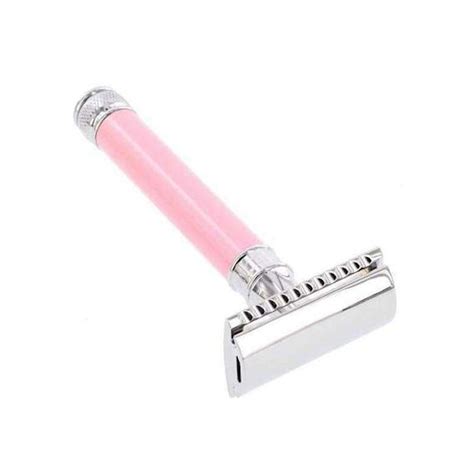
- Sharp, Clean Blade: This cannot be stressed enough. A dull blade drags, pulls, and tugs at your hair, leading to irritation. Change your razor blade every 5-7 shaves, or as soon as you feel any pulling. Rinse your blade thoroughly after each stroke to clear away hair and shaving cream.
- Quality Shaving Cream/Gel: Ditch the cheap foams. Invest in a rich, lubricating shaving cream, gel, or soap that creates a thick lather. This provides a cushioning effect and allows the blade to glide smoothly. Let it sit on your skin for a minute or two to further soften the hair.
- Shave With the Grain (First): For most people, shaving with the grain (in the direction of hair growth) for the first pass is essential to minimize irritation. If you need a closer shave, you can re-lather and go across the grain on a second pass, but avoid going directly against the grain if you are prone to razor burn or ingrowns.
- Light Pressure, Short Strokes: Let the razor do the work. Applying too much pressure is a primary cause of razor burn. Use short, controlled strokes, especially in sensitive areas.

Post-Shave Perfection: Soothing & Protecting
The job isn’t done once the last hair is cut. Post-shave care is critical for calming the skin, closing pores, and preventing future issues.
- Rinse with Cool Water: After shaving, rinse your face thoroughly with cool water. This helps to close pores and soothe the skin, reducing redness and inflammation.
- Pat Dry: Gently pat your skin dry with a clean, soft towel. Rubbing can irritate newly exposed skin.
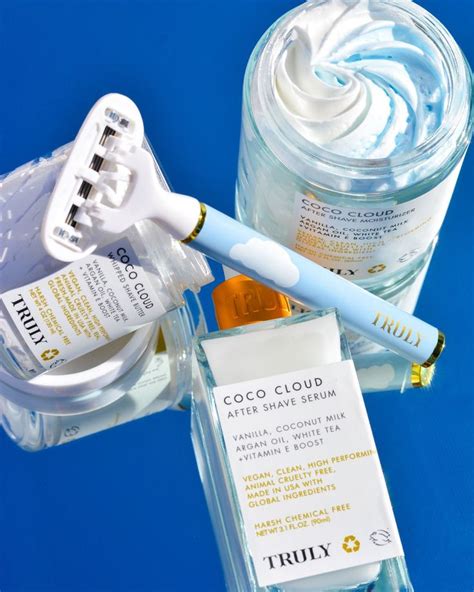
- Apply Aftershave Balm (Alcohol-Free): Skip harsh alcohol-based aftershaves that dry out the skin. Opt for a soothing, hydrating, alcohol-free aftershave balm or lotion. Look for ingredients like aloe vera, witch hazel, chamomile, or allantoin to calm and moisturize.
- Moisturize: Even if your aftershave has moisturizing properties, a separate, good quality moisturizer designed for your skin type can provide an extra layer of hydration and protection, keeping your skin supple throughout the day.

Beyond the Blade: Long-Term Skin Health
An optimal shave routine is more than just a one-time event; it’s a commitment to consistent practices that support long-term skin health.
- Regular Blade Replacement: As mentioned, dull blades are your enemy. Stick to a schedule for changing them.
- Cleanliness of Tools: Always rinse your razor thoroughly after use and store it in a dry place to prevent bacterial growth. Consider disinfecting your razor head occasionally.
- Exfoliation for Ingrown Prevention: If ingrowns are a persistent problem, consider using a gentle chemical exfoliant (like an AHA or BHA toner or serum) on shaved areas a few times a week, but not immediately after shaving. This helps keep pores clear and prevents hairs from getting trapped.
- Listen to Your Skin: Pay attention to how your skin reacts to different products and techniques. Adjust your routine as needed. If one product causes irritation, try another.

By integrating these steps into your grooming regimen, you’ll not only banish the woes of razor burn and ingrown hairs but also elevate your skin to its peak performance. The result? A consistently smooth, healthy, and comfortable complexion that radiates confidence. Say goodbye to irritation and hello to your best shave yet!