




Optimal shave for irritation-free, peak performance skin?

For many, shaving is a daily ritual, yet few unlock its full potential for an irritation-free experience and truly peak-performing skin. Moving beyond merely removing stubble, an optimal shave routine can prevent common issues like razor burn, ingrown hairs, and dryness, while promoting a healthier, smoother complexion that feels as good as it looks.
The Foundation: Pre-Shave Preparation
A superior shave begins long before the blade touches your face. Proper preparation softens the hair, opens pores, and creates a protective barrier for your skin. Start with a warm shower or by cleansing your face with warm water to open pores and soften whiskers. A gentle exfoliation a few times a week can remove dead skin cells, preventing clogged pores and allowing for a closer shave. Applying a pre-shave oil can further enhance glide and reduce friction, acting as a crucial first line of defense.

Choosing Your Weapon: The Right Tools
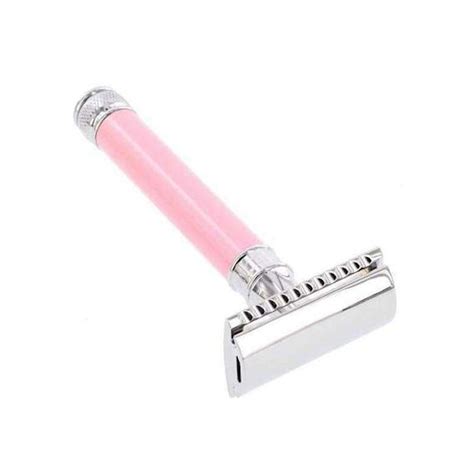
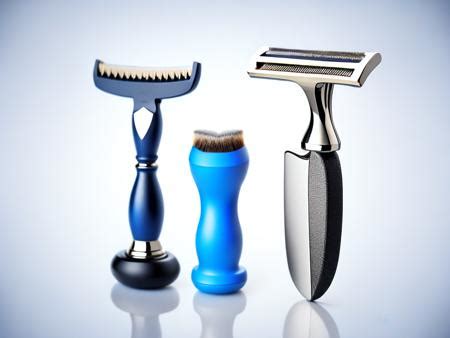
The razor you use and the quality of your shaving cream or soap significantly impact the outcome. While multi-blade cartridges offer convenience, a high-quality double-edge (DE) safety razor or a straight razor can often provide a closer shave with less irritation, especially for sensitive skin, due to fewer blades passing over the same area. Regardless of your choice, ensure your blades are sharp and clean; dull blades tug and pull, increasing irritation.
Pair your razor with a rich, lubricating shaving cream or soap. Look for formulations with natural ingredients like glycerin, shea butter, or aloe vera, which provide excellent cushion and glide. Avoid aerosol cans with harsh chemicals that can dry out and irritate the skin.
The Art of the Stroke: Mastering Technique
Technique is paramount for an irritation-free shave. Always shave with the grain on your first pass, meaning in the direction your hair grows. This minimizes pulling and reduces the likelihood of ingrown hairs and razor burn. For a closer shave, you can perform a second pass across the grain or even against the grain, but only if your skin can tolerate it without irritation.
Use light, short strokes without applying excessive pressure. Let the sharpness of the blade do the work. Rinse your razor frequently to remove accumulated hair and lather, ensuring a clean cutting surface. Maintain a hydrated lather throughout the shave; re-lather any areas before making another pass.

The Aftermath: Post-Shave Care
What you do immediately after shaving is just as important as the shave itself. Rinse your face with cool water to close pores and remove any remaining lather. Gently pat your skin dry with a clean towel – never rub vigorously.
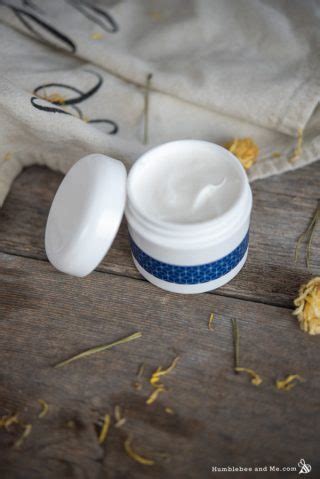
Follow with an alcohol-free aftershave balm or lotion. Alcohol-based aftershaves can strip natural oils and dry out your skin, leading to irritation. Opt for balms rich in soothing ingredients like witch hazel, aloe vera, chamomile, or essential oils. Finally, apply a good quality moisturizer to keep your skin hydrated and protected throughout the day. If you’re heading outside, don’t forget broad-spectrum SPF protection.
Beyond the Basics: Troubleshooting and Consistency
Even with the best routine, occasional issues can arise. For persistent ingrown hairs, consider a targeted treatment with salicylic acid or glycolic acid. If razor burn is a constant battle, re-evaluate your blade sharpness, pressure, and the direction of your shave. Consistency is key; sticking to a routine allows your skin to adapt and improve over time. Listen to your skin and adjust products or techniques as needed, especially during seasonal changes.
Embracing these steps transforms shaving from a mere chore into a deliberate act of self-care. By prioritizing preparation, using the right tools, mastering your technique, and committing to diligent post-shave care, you unlock the secret to irritation-free, peak-performance skin that truly reflects your best self.