




Optimal protein timing and type for male muscle gain & rapid recovery?
The Crucial Role of Protein for Male Muscle Development
For men dedicated to building muscle and enhancing recovery, protein isn’t just a nutrient; it’s the fundamental building block. Every strenuous workout creates microscopic tears in muscle fibers, and protein provides the amino acids necessary to repair these tears, leading to stronger, larger muscles. Beyond hypertrophy, protein plays a vital role in hormone production, enzyme function, and immune health, all contributing to an athlete’s overall resilience and performance. Understanding the nuances of protein consumption – specifically timing and type – can significantly amplify your results, pushing past plateaus and accelerating your journey towards your physique goals.
Strategic Protein Timing for Maximal Gains
While the concept of an ‘anabolic window’ immediately post-workout has evolved, distributing protein intake strategically throughout the day remains paramount for muscle protein synthesis (MPS) and recovery. The goal isn’t just to hit a daily protein target, but to maintain a consistent supply of amino acids.
- Post-Workout: Consuming 20-40g of fast-digesting protein within a few hours after training is highly beneficial. This helps kickstart the repair process, replenishing depleted amino acid stores and signaling MPS. While the ‘window’ is wider than once thought, quicker intake can aid recovery.
- Pre-Sleep: A slower-digesting protein, such as casein, before bed can provide a sustained release of amino acids throughout the night. This helps to counteract muscle protein breakdown (MPB) during fasting periods, supporting overnight recovery and growth.
- Throughout the Day: Aim to consume 20-40g of protein every 3-4 hours across multiple meals. This consistent supply keeps your body in an anabolic state, optimizing MPS and ensuring that your muscles always have the resources they need for growth and repair.
Choosing the Optimal Protein Types
Not all proteins are created equal. Different types offer unique absorption rates and amino acid profiles, making some more suitable for specific timings and goals.

Fast-Digesting Proteins
- Whey Protein: Derived from milk, whey is considered a complete protein, rich in branched-chain amino acids (BCAAs), especially leucine – the primary trigger for MPS. Its rapid absorption makes it ideal for post-workout recovery or as a quick protein boost at any time of day. Whey isolate, in particular, offers a higher protein concentration with less fat and lactose.
Slow-Digesting Proteins
- Casein Protein: Also milk-derived, casein forms a gel in the stomach, leading to a much slower and more sustained release of amino acids. This makes it excellent for pre-sleep consumption to support overnight muscle repair and reduce MPB.
Blended & Whole Food Proteins
- Protein Blends: Many supplements combine fast and slow-digesting proteins (e.g., whey and casein) to offer a more prolonged amino acid release, suitable for general daily use.
- Whole Food Sources: Don’t overlook the power of whole foods. Lean meats (chicken, beef, fish), eggs, dairy products (Greek yogurt, cottage cheese), and legumes offer diverse amino acid profiles along with other essential nutrients. Prioritizing these sources at main meals ensures a comprehensive nutrient intake beyond just protein.
Plant-Based Protein Considerations
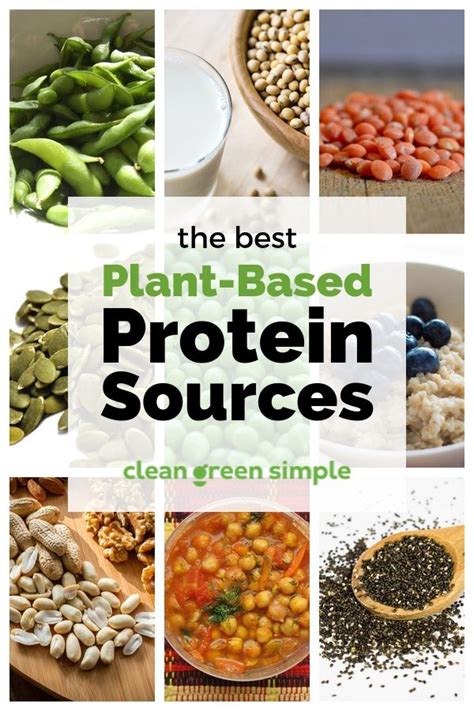
For men following a plant-based diet, careful selection of protein sources is key. While individual plant proteins may lack one or more essential amino acids, combining different sources throughout the day can create a complete protein profile. Excellent options include:
- Pea Protein: High in BCAAs, comparable to whey in some aspects.
- Rice Protein: Often combined with pea protein to create a complete amino acid profile.
- Soy Protein: A complete protein source, though some men prefer alternatives due to phytoestrogen concerns (largely unfounded for moderate consumption).
- Hemp Protein: Provides good fiber and omega fatty acids, but a lower protein concentration.
Total Daily Protein Intake and Recovery Beyond Protein
While timing and type are important, the total daily protein intake remains the most critical factor for muscle gain and recovery. For active men aiming for hypertrophy, a general guideline is 1.6-2.2 grams of protein per kilogram of body weight (or 0.7-1.0 grams per pound). Distribute this intake across 4-6 meals/snacks to maximize effectiveness.
Remember that protein is one piece of the puzzle. Adequate caloric intake, especially from carbohydrates to fuel workouts and replenish glycogen, sufficient healthy fats, consistent resistance training, and quality sleep are equally vital for optimal muscle growth and rapid recovery. A holistic approach that integrates all these elements will yield the best and most sustainable results for any man serious about his physique and performance.