




Optimal pre-workout nutrition: Boost strength & focus without a crash?
Fueling Your Performance: The Science of Pre-Workout Nutrition
Stepping into the gym or starting your run, you want to feel energized, focused, and ready to conquer your goals. What you eat before your workout plays a pivotal role in determining your performance, endurance, and even your recovery. The right pre-workout nutrition isn’t just about avoiding hunger; it’s about optimizing your body’s fuel sources to boost strength, sharpen focus, and crucially, prevent that dreaded post-workout energy crash.
Understanding the balance of macronutrients – carbohydrates, proteins, and fats – along with proper timing, is key to unlocking your full athletic potential. Let’s delve into how to build a pre-workout meal strategy that supports your fitness ambitions.
The Macronutrient Powerhouses
Carbohydrates: Your Primary Energy Source
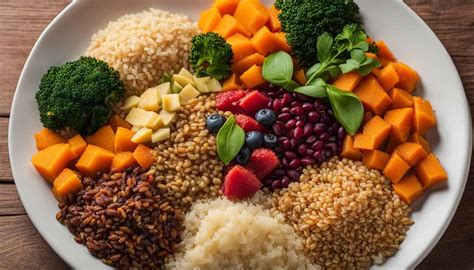
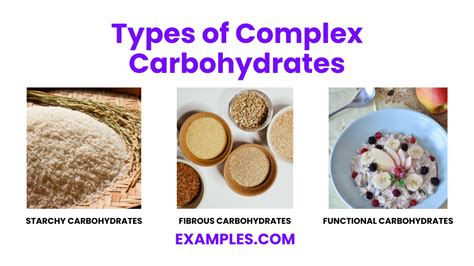
Carbohydrates are the body’s preferred fuel, especially during high-intensity exercise. They are broken down into glucose, which is stored as glycogen in your muscles and liver. Adequate glycogen stores are essential for sustained energy and preventing fatigue. For pre-workout, focus on complex carbohydrates (like whole grains, oats, sweet potatoes, brown rice) 2-3 hours before your session for a steady release of energy. If you’re eating closer to your workout (30-60 minutes), opt for simpler carbs (like fruit or a small rice cake) for quick energy without upsetting your stomach.
Protein: Muscle Protection and Repair
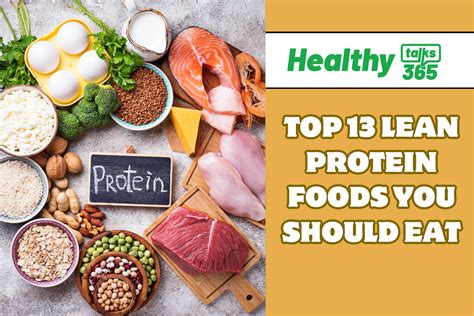
While carbohydrates provide the direct fuel, protein is crucial for muscle repair and growth. Consuming protein before a workout helps reduce muscle breakdown during exercise and kickstarts the recovery process. Opt for lean protein sources like chicken breast, turkey, Greek yogurt, eggs, or a protein shake. A small amount of protein alongside your carbs can also help slow the absorption of sugars, leading to more sustained energy and preventing a sharp insulin spike.
Fats: Energy in Moderation
Fats provide a more sustained, long-burning energy source, but they digest slowly. For pre-workout nutrition, it’s generally best to keep fat intake low to moderate, especially in the hour or two leading up to your session. Too much fat close to a workout can cause digestive discomfort and slow down the delivery of other nutrients. Healthy fats from sources like avocado, nuts, or seeds are beneficial in your overall diet, but timing is crucial for pre-workout.
Timing Your Fuel Intake
The “when” is almost as important as the “what.”
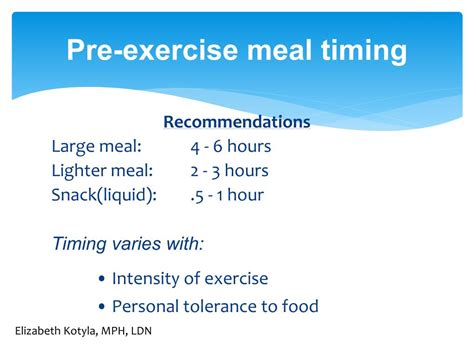
- 2-3 Hours Before: This is ideal for a larger, balanced meal containing complex carbohydrates, lean protein, and a small amount of healthy fats. This allows ample time for digestion and nutrient absorption.
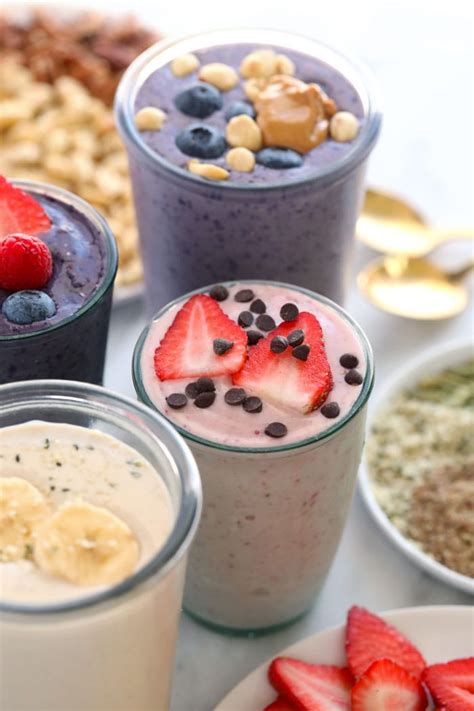
- 30-60 Minutes Before: If time is short, opt for a smaller, easily digestible snack rich in simple carbohydrates and a bit of protein. Think a banana with a tablespoon of nut butter, a handful of berries, or a small protein shake.
- Immediately Before (0-15 Minutes): Generally, food intake should be minimal or avoided. If anything, a few sips of water or an electrolyte drink.
Hydration: The Unsung Hero
Don’t overlook water! Dehydration can significantly impair performance, reduce strength, and decrease focus. Aim to be well-hydrated throughout the day, and drink 16-20 ounces of water 2-3 hours before your workout, and another 8-10 ounces 30 minutes prior. For longer or more intense sessions, consider an electrolyte drink.
Avoiding the Crash: The Glucose Rollercoaster
The “crash” often occurs when you consume too many fast-digesting simple carbohydrates without adequate protein or fiber. This leads to a rapid spike in blood sugar, followed by an equally rapid drop as your body releases insulin to manage it. To prevent this:
- Balance your macros: Pair simple carbs with protein or a small amount of healthy fat to slow digestion.
- Prioritize complex carbs: For meals further out from your workout.
- Listen to your body: Everyone responds differently. Experiment with different foods and timings to find what works best for you.
Putting It All Together: Sample Pre-Workout Meals
- 2-3 Hours Before: Oatmeal with berries and a scoop of protein powder; sweet potato with grilled chicken; brown rice with lean ground turkey and vegetables.
- 30-60 Minutes Before: Banana with a handful of almonds; Greek yogurt with a small amount of fruit; a piece of toast with avocado.
Conclusion
Optimal pre-workout nutrition is a personalized journey. By understanding the role of carbohydrates, proteins, and fats, and mastering your timing, you can significantly enhance your workout performance, sustain your energy levels, and avoid the dreaded post-exercise crash. Experiment, pay attention to how your body feels, and fuel your success!