




Optimal pre-workout meal for peak performance & no GI issues?

Fueling for Success: The Pre-Workout Imperative
Preparing your body for exercise extends beyond just warming up; it critically involves what you consume beforehand. An optimal pre-workout meal can significantly impact your energy levels, endurance, strength, and recovery, while also preventing common gastrointestinal (GI) issues like bloating, cramps, or nausea that can sabotage your training. The challenge lies in finding the perfect balance: enough fuel to perform, but not so much or the wrong kind that it causes discomfort. This guide will walk you through the science, timing, and best food choices for peak performance with a happy gut.
The Science Behind Pre-Workout Fueling
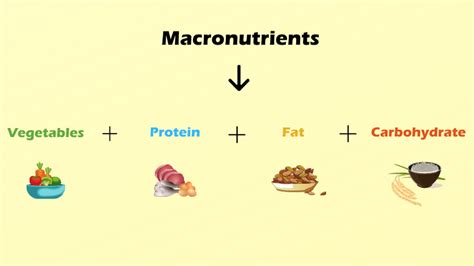
Your body relies primarily on carbohydrates for quick energy during exercise, especially high-intensity activities. Protein helps protect muscle tissue from breakdown and supports recovery, while fats provide sustained energy for longer, lower-intensity workouts but digest slowly. Understanding the role of each macronutrient is crucial for crafting your ideal pre-workout meal.
- Carbohydrates: These are your body’s preferred and most efficient energy source. They are stored as glycogen in muscles and the liver. Consuming complex carbohydrates (like whole grains) provides a steady release of energy, while simple carbohydrates (like fruit) offer a quick boost.
- Protein: Essential for muscle repair and growth, protein before a workout can help reduce muscle damage and soreness. It also contributes to satiety.
- Fats: While an important energy source, fats digest slowly. A high-fat meal close to a workout can lead to stomach upset and sluggishness. Small amounts of healthy fats are acceptable in meals eaten further from your training session.
Timing Your Fuel: When to Eat for Optimal Digestion and Performance
The timing of your pre-workout meal is just as critical as its composition. Different macronutrients require varying digestion times, impacting when they become available as energy and how they sit in your stomach.
3-4 Hours Before Your Workout: The Balanced Meal
This is your window for a more substantial, balanced meal containing complex carbohydrates, lean protein, and a small amount of healthy fats. This allows ample time for digestion and nutrient absorption, ensuring sustained energy without GI distress.
1-2 Hours Before Your Workout: The Lighter Option
If you have less time, opt for a smaller meal focused on easily digestible complex carbohydrates and a moderate amount of lean protein. Avoid high-fat and high-fiber foods that could slow digestion.
30-60 Minutes Before Your Workout: The Quick Boost
For a quick energy top-up, choose simple carbohydrates that are rapidly absorbed. These should be low in fiber, fat, and protein to prevent stomach upset during exercise.
![Pre-Workout Meal Plan [6 Basic Things to Consider]](/images/aHR0cHM6Ly90czEubW0uYmluZy5uZXQvdGg/aWQ9T0lQLjVlTEw3QXhKd3FVb2t0TWlkY0VWcHdIYUVvJnBpZD0xNS4x.webp)
Optimal Food Choices: What to Eat (and What to Avoid)
Selecting the right foods is paramount for a successful pre-workout meal. Focus on nutrient-dense options that provide sustained energy and are gentle on your digestive system.
Recommended Foods:
- Complex Carbohydrates: Oats, whole-wheat toast, sweet potatoes, brown rice, quinoa, whole-grain pasta.
- Simple Carbohydrates: Bananas, berries, applesauce, rice cakes, dried fruit (in moderation).
- Lean Proteins: Greek yogurt, egg whites, chicken breast, turkey, protein powder, cottage cheese.
- Healthy Fats (in small amounts, further from workout): Avocado, nuts, seeds, nut butters.
Foods to Limit or Avoid (Especially Close to Your Workout):
- High-Fat Foods: Fried foods, creamy sauces, fatty meats. These digest slowly and can lead to bloating.
- High-Fiber Foods: Large servings of beans, cruciferous vegetables (broccoli, cauliflower), whole grains (in excess). While healthy, high fiber can cause gas and bloating during exercise.
- Spicy Foods: Can irritate the digestive tract.
- Excessive Sugar Alcohols/Artificial Sweeteners: Can cause GI distress in some individuals.
Sample Pre-Workout Meals for Different Timings
- 3-4 Hours Out: Chicken breast (4-6oz) with a medium sweet potato and steamed green beans.
- 1-2 Hours Out: Oatmeal (1/2 cup dry) with a handful of berries and a scoop of protein powder, or a whole-wheat bagel with a small amount of light cream cheese.
- 30-60 Minutes Out: A banana, a handful of rice cakes, or a small energy gel.

Hydration and Personalization are Key
Beyond food, adequate hydration is fundamental. Drink water consistently throughout the day, and consider an electrolyte-enhanced drink if your workout is long or intense. Remember, everyone’s body is different. What works perfectly for one person might not for another. Pay attention to how your body responds to different foods and timings. Keep a food journal to track your intake and how you feel during and after your workouts. Experiment with different options until you discover your optimal pre-workout strategy.

Conclusion
Crafting the optimal pre-workout meal is a blend of science and self-awareness. By understanding the roles of macronutrients, timing your intake strategically, choosing easily digestible and nutrient-rich foods, and staying hydrated, you can effectively fuel your body for peak performance while ensuring a comfortable, GI-issue-free workout. Listen to your body, experiment, and fine-tune your approach to unlock your full athletic potential.