

Optimal performance gear for injury prevention in intense training?
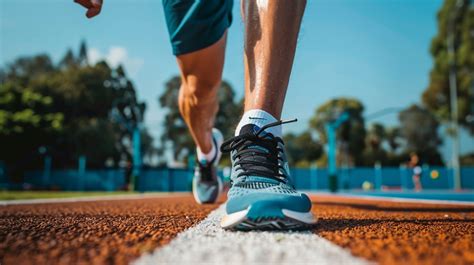
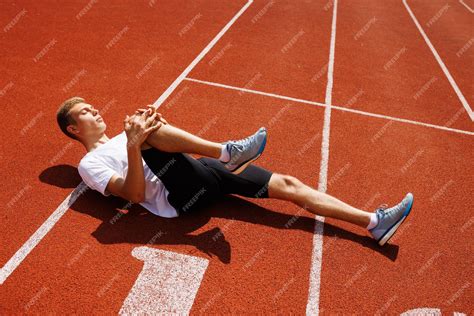
Engaging in intense training pushes the human body to its limits, yielding incredible gains in strength, endurance, and overall fitness. However, this pursuit of peak performance inherently carries a risk of injury. While proper form, adequate rest, and a balanced diet are foundational to injury prevention, the right performance gear serves as a critical, often underestimated, line of defense.
The Foundation: Strategic Footwear Choices
Your feet are the primary point of contact with the ground, making footwear a paramount consideration. The demands of intense training vary wildly, from the impact absorption needed for long-distance running to the stability required for heavy Olympic lifts or the lateral support for agility drills.
- Running Shoes: Engineered with specific cushioning and support systems to mitigate impact and guide foot motion, reducing stress on joints and tendons.
- Weightlifting Shoes: Featuring an elevated heel for better squat mechanics and a rigid, flat sole for maximum ground contact and stability during heavy lifts, preventing ankle instability.
- Cross-Training Shoes: A versatile option designed to provide a balance of cushioning, flexibility, and lateral support for varied workouts.
Investing in footwear specifically designed for your primary activity helps distribute forces correctly, maintain proper biomechanics, and prevent overuse injuries like shin splints, plantar fasciitis, or knee pain.
Supporting Structures: Compression and Bracing
Beyond footwear, specialized apparel and support gear play a vital role in protecting vulnerable joints and muscles.
Compression Wear
Compression socks, sleeves, and tights work by applying graduated pressure to limbs, which can improve blood flow, reduce muscle oscillation during high-impact activities, and potentially aid in recovery by minimizing muscle soreness and fatigue. While the direct injury prevention claims are debated, the added proprioceptive feedback can enhance awareness of limb position, indirectly contributing to safer movement.
Joint Supports and Braces
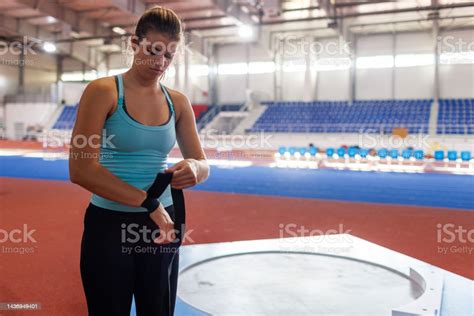
For individuals with pre-existing weaknesses or during periods of exceptionally heavy lifting or high-risk movements, targeted joint support can be invaluable. Knee sleeves offer warmth and compression to the knee joint, wrist wraps stabilize the wrist during pressing movements, and ankle braces can provide critical support after sprains or for those prone to instability. These supports do not replace strong muscles but act as an external aid to maintain proper alignment and reduce strain.
Enhancing Form: Belts and Straps
Certain pieces of gear are designed not just for direct protection but for enhancing technique, which is a powerful form of injury prevention.
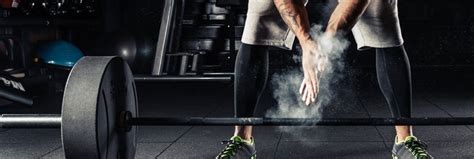
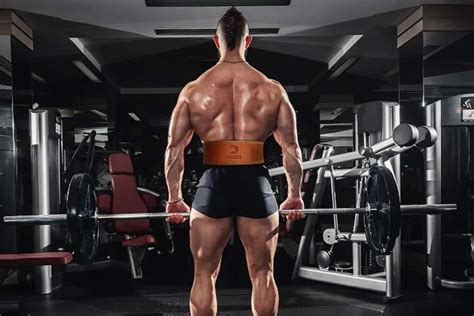
- Weightlifting Belts: When used correctly, a lifting belt can increase intra-abdominal pressure, providing a rigid core and spinal stability during maximal lifts. This prevents excessive spinal flexion or extension, safeguarding the lower back. It’s crucial, however, to use belts judiciously and not as a substitute for core strength.
- Lifting Straps: Primarily used for pulling movements (deadlifts, rows), straps help compensate for grip fatigue, allowing lifters to focus on the target muscles and maintain proper form for longer. This prevents premature termination of a set due to grip failure, which can lead to compensatory movements and increased injury risk.
Protective Accessories: Gloves and Padding
While often overlooked, smaller accessories also contribute to injury prevention, particularly by preventing cuts, blisters, and repetitive strain.
- Training Gloves: Protect hands from calluses, blisters, and abrasions during activities like weightlifting, rowing, or gymnastics, allowing for more consistent training without discomfort.
- Shin Guards/Pads: Essential in contact sports or activities like box jumps and rope climbs where accidental impacts are common.
These items, though seemingly minor, ensure that small injuries don’t escalate or impede consistent training, which is key to long-term progress.
Conclusion: Gear as an Investment in Longevity
Optimal performance gear is more than just an accessory; it’s an integral part of a comprehensive injury prevention strategy for intense training. From specialized footwear that supports biomechanics to supportive apparel that stabilizes joints and protective accessories that prevent minor setbacks, each piece plays a role in safeguarding your body. While gear cannot compensate for poor technique or overtraining, it can significantly enhance safety, boost confidence, and contribute to consistent, injury-free progress towards your fitness goals. Prioritizing the right equipment is an investment in your athletic longevity and sustained high performance.