




Optimal nutrition for peak male energy, focus & muscle gains?
Unlocking Peak Male Performance Through Strategic Nutrition
For men striving to reach their physical and mental zenith, nutrition isn’t just about fuel; it’s the strategic cornerstone for maximizing energy, sharpening focus, and optimizing muscle growth. A well-designed dietary approach can profoundly impact everything from hormonal balance and cognitive function to recovery and strength gains. This article delves into the precise nutritional strategies required to unlock your full potential.
The Macronutrient Blueprint: Fueling Your Machine
Macronutrients—proteins, carbohydrates, and fats—are the primary energy sources and structural components of your body. Getting the right balance is crucial.
- Protein: The Muscle Builder
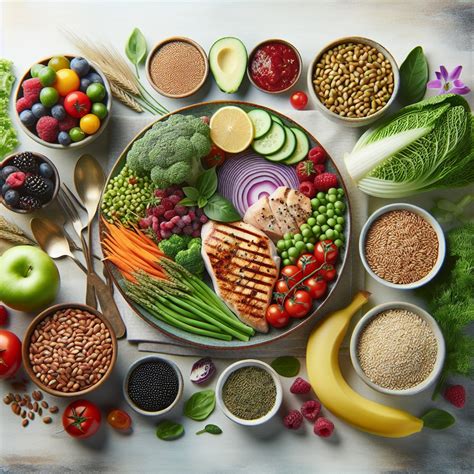
Essential for muscle repair, growth, and satiety, protein intake should be prioritized. Aim for 1.6-2.2 grams per kilogram of body weight daily, distributed across meals. Sources include lean meats, poultry, fish, eggs, dairy, and plant-based options like legumes and tofu. - Carbohydrates: The Energy Provider
Often misunderstood, carbohydrates are vital for fueling high-intensity workouts, replenishing glycogen stores, and supporting brain function. Focus on complex carbohydrates like whole grains, fruits, and vegetables for sustained energy and fiber. Timing carbohydrate intake around workouts can significantly boost performance and recovery. - Healthy Fats: Hormonal Support & Brain Health
Dietary fats are critical for hormone production (including testosterone), nutrient absorption, and cognitive function. Incorporate sources like avocados, nuts, seeds, olive oil, and fatty fish (rich in Omega-3s) into your diet.

Micronutrients: The Unsung Heroes of Performance
While macronutrients provide the bulk, micronutrients—vitamins and minerals—act as critical cofactors for thousands of bodily processes, impacting everything from energy metabolism to nerve function.
- Vitamin D: The Sunshine Vitamin
Crucial for bone health, immune function, and often linked to testosterone levels. Sun exposure is primary, but supplementation may be necessary, especially in less sunny climates. - B-Vitamins: Energy Powerhouses
A complex of vitamins essential for converting food into energy, supporting nerve function, and red blood cell formation. Found in whole grains, meat, eggs, and leafy greens. - Magnesium: The Muscle & Mind Relaxer
Involved in over 300 biochemical reactions, magnesium supports muscle function, nerve transmission, energy production, and sleep quality. Good sources include leafy greens, nuts, seeds, and whole grains. - Zinc: Immune & Hormonal Support
Vital for immune function, protein synthesis, and testosterone production. Oysters, red meat, poultry, beans, and nuts are excellent sources. - Iron: Oxygen Transport
Essential for red blood cell production and oxygen transport, critical for energy and endurance. Red meat, spinach, and lentils are key sources, though excessive intake should be avoided without medical advice.

Hydration and Meal Timing: Optimizing Absorption and Delivery
It’s not just what you eat, but when and how much you drink.
- Hydration: The Forgotten Nutrient
Water is paramount for every bodily function, including nutrient transport, temperature regulation, and joint lubrication. Dehydration can significantly impair energy, focus, and physical performance. Aim for at least 3-4 liters daily, adjusting for activity levels. - Strategic Meal Timing
Consuming balanced meals and snacks throughout the day helps maintain stable blood sugar, consistent energy levels, and supports continuous muscle protein synthesis. Pre-workout meals provide energy, while post-workout nutrition (protein and carbs) is crucial for recovery and growth.

Beyond the Plate: The Synergistic Role of Lifestyle
Nutrition is powerful, but its effects are amplified when integrated with other healthy habits.
- Quality Sleep: Recovery & Hormone Regulation
Adequate sleep is non-negotiable for recovery, hormone production, and cognitive function. It directly impacts your ability to gain muscle, maintain focus, and manage stress. - Stress Management: Cortisol Control
Chronic stress elevates cortisol, which can negatively impact testosterone, muscle retention, and overall well-being. Incorporate stress-reducing activities like meditation, yoga, or spending time in nature.
![100+ Man Images [HD] | Download Free Images on Unsplash](/images/aHR0cHM6Ly90czMuZXhwbGljaXQuYmluZy5uZXQvdGg/aWQ9T0lQLkxMZmNuRmhJUno1NVFWQm1ENVJKbXdIYUxIJnBpZD0xNS4x.webp)
Crafting Your Personalized Nutritional Strategy
Achieving peak energy, focus, and muscle gains requires a personalized and consistent approach to nutrition. Start by assessing your current diet, identifying areas for improvement, and gradually incorporating nutrient-dense whole foods. Listen to your body, track your progress, and consider consulting with a nutrition professional to tailor a plan that aligns with your specific goals and lifestyle. By making informed dietary choices, you empower your body and mind to perform at their absolute best, transforming potential into reality.