




Nutrition strategies to naturally boost testosterone for peak performance?

Unlocking Peak Performance Through Natural Testosterone Optimization
Testosterone, often celebrated for its role in muscle growth and libido, is also a critical hormone for energy levels, mood, cognitive function, and overall well-being. While synthetic interventions exist, many individuals seek natural, sustainable ways to optimize their testosterone levels for peak physical and mental performance. The good news is that your diet plays a profoundly powerful role in influencing hormone production. By strategically choosing certain foods and avoiding others, you can create an optimal internal environment for natural testosterone synthesis.
The Foundation: Healthy Fats Are Your Friend
Contrary to outdated beliefs, healthy fats are not the enemy; they are essential building blocks for hormone production, including testosterone. Cholesterol, a precursor to testosterone, is derived from dietary fats. Incorporating a balance of monounsaturated and polyunsaturated fats, along with some saturated fats from quality sources, is crucial.
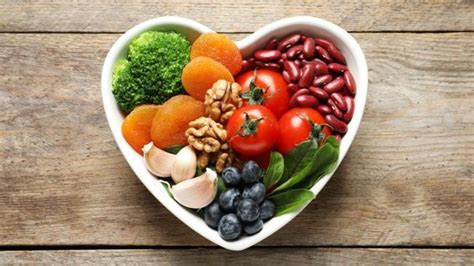
- Monounsaturated Fats: Found in avocados, olive oil, nuts (almonds, cashews, pecans), and seeds. These fats support overall heart health and provide vital precursors for hormone synthesis.
- Polyunsaturated Fats (Omega-3s): Abundant in fatty fish (salmon, mackerel, sardines), flaxseeds, chia seeds, and walnuts. Omega-3s are renowned for their anti-inflammatory properties, which can help optimize the hormonal environment.
- Saturated Fats: While moderation is key, healthy sources like pastured eggs, grass-fed butter, and coconut oil can contribute to cholesterol levels necessary for testosterone production.
Essential Micronutrients for Testosterone Synthesis
Beyond macronutrients, several vitamins and minerals act as cofactors in the complex process of testosterone production.
Zinc: The Mineral Powerhouse
Zinc is perhaps one of the most vital minerals for testosterone. It plays a role in numerous enzymatic processes, including those involved in hormone regulation. Zinc deficiency is directly linked to lower testosterone levels. Excellent sources include oysters, red meat, poultry, beans, nuts, and dairy products.
Vitamin D: The Sunshine Hormone
Often referred to as a hormone itself, Vitamin D is crucial for various bodily functions, including male hormone health. Studies show a direct correlation between sufficient Vitamin D levels and higher testosterone. While sun exposure is the primary way to get Vitamin D, dietary sources like fatty fish, fortified foods, and egg yolks can supplement your intake.
Magnesium: The Performance Booster
Magnesium has been shown to increase free and total testosterone levels, especially in conjunction with exercise. It also aids in muscle function and reduces stress. Incorporate magnesium-rich foods like dark leafy greens, nuts (almonds, cashews), seeds, legumes, and whole grains.
Optimize Protein Intake for Muscle and Hormones
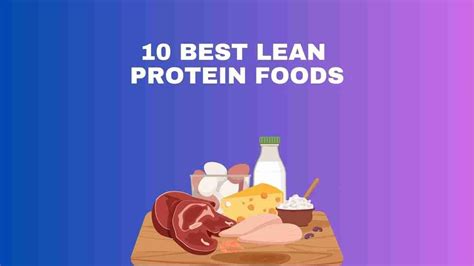
Adequate protein intake is fundamental for muscle repair, growth, and overall hormonal balance. While protein doesn’t directly boost testosterone, it supports the anabolic processes in the body that work synergistically with healthy testosterone levels. Aim for high-quality protein sources at each meal. Examples include lean meats, poultry, fish, eggs, dairy, and plant-based proteins like lentils, beans, and quinoa.
Strategic Carbohydrate Consumption
Carbohydrates are often debated, but strategic consumption is vital for maintaining energy, supporting intense workouts, and preventing the rise of cortisol (a stress hormone that can suppress testosterone). Focus on complex carbohydrates with a low glycemic index.
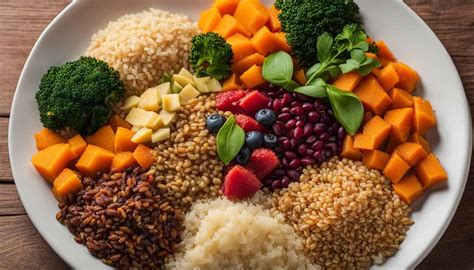
- Whole Grains: Oats, brown rice, quinoa, whole-wheat bread.
- Starchy Vegetables: Sweet potatoes, squash, corn.
- Fruits: Berries, apples, bananas.
These choices provide sustained energy, aid in post-workout recovery, and help keep stress hormones in check, indirectly supporting testosterone production.

Foods to Limit or Avoid
Just as some foods boost testosterone, others can hinder its production. Limiting or avoiding these can be as important as incorporating beneficial foods:
- Processed Foods and Refined Sugars: These can lead to inflammation, insulin resistance, and weight gain, all of which negatively impact hormone balance.
- Excessive Alcohol: Chronic heavy drinking can directly suppress testosterone production and increase estrogen.
- Trans Fats: Found in many fried foods and baked goods, these fats are detrimental to overall health and hormone function.
- Soy Products (in excess): While moderate consumption is generally fine, very high intake of certain soy products can have estrogenic effects in some individuals, potentially impacting testosterone.
Hydration and Lifestyle Considerations
Don’t underestimate the power of proper hydration. Water is essential for every bodily function, including hormone transport and cellular processes. Beyond diet, lifestyle factors such as adequate sleep (7-9 hours), regular strength training, and effective stress management are synergistic with nutritional strategies for optimal testosterone levels. Nutrition is a cornerstone, but a holistic approach yields the best results.

Conclusion: A Holistic Approach to Hormonal Health
Boosting testosterone naturally for peak performance isn’t about quick fixes; it’s about adopting sustainable dietary and lifestyle habits. By focusing on healthy fats, vital micronutrients like zinc, Vitamin D, and magnesium, adequate protein, and strategic complex carbohydrates, you can create a powerful nutritional foundation. Couple these strategies with sufficient sleep, regular exercise, and stress reduction, and you’ll be well on your way to optimizing your hormone health and unlocking your fullest potential.