




Natural ways to optimize testosterone for male vitality & peak performance?

Understanding Testosterone’s Role in Male Health
Testosterone, often hailed as the cornerstone of male health, is far more than just a sex hormone. It plays a pivotal role in maintaining energy levels, muscle mass, bone density, mood regulation, cognitive function, and, of course, libido and sexual function. For men seeking to reclaim youthful vigor, enhance athletic performance, and improve overall well-being, optimizing testosterone naturally is a powerful strategy.
While synthetic options exist, a holistic approach focusing on lifestyle modifications can yield sustainable and profound results without the associated risks. The good news is that many natural methods are accessible, affordable, and bring a host of other health benefits. Let’s delve into the key pillars of natural testosterone optimization.

Diet and Nutrition: Fueling Your Hormones
What you eat directly impacts your hormonal balance. A nutrient-dense diet is crucial for testosterone production.
Prioritize Healthy Fats
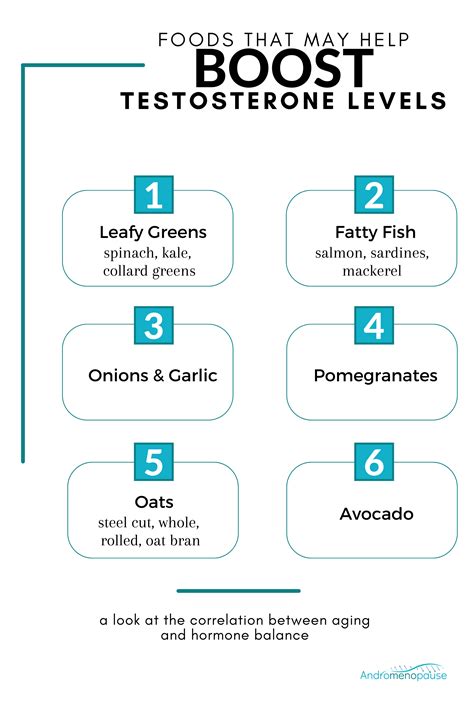
Cholesterol is a precursor to testosterone, and healthy fats are essential. Incorporate monounsaturated and polyunsaturated fats found in avocados, nuts, seeds, olive oil, and fatty fish like salmon. Avoid trans fats and excessive saturated fats.
Crucial Micronutrients
- Zinc: Vital for testosterone synthesis. Found in oysters, red meat, poultry, beans, nuts, and dairy.
- Vitamin D: Functions more like a hormone than a vitamin. Sun exposure is the best source, but supplements can be beneficial, especially in regions with limited sunlight.
- Magnesium: Contributes to free (bioavailable) testosterone levels. Rich sources include dark leafy greens, nuts, seeds, and whole grains.
- Vitamin K2: Emerging research suggests a role in testosterone production. Found in fermented foods and certain animal products.
Limit Sugar and Processed Foods
High sugar intake can lead to insulin resistance, which is associated with lower testosterone. Processed foods often contain unhealthy fats and artificial ingredients that can disrupt hormonal balance.

Exercise and Lifestyle: Move More, Live Better
Physical activity is a powerful testosterone booster, but the type of exercise matters.
Strength Training
Lifting weights, especially compound movements like squats, deadlifts, bench presses, and rows, stimulates a significant testosterone response. Aim for 3-4 sessions per week with adequate rest.
High-Intensity Interval Training (HIIT)
Short bursts of intense exercise followed by brief recovery periods have been shown to elevate testosterone levels effectively. Integrate HIIT into your routine 1-2 times a week.
Avoid Chronic Cardio
While good for cardiovascular health, excessive long-duration, moderate-intensity cardio can sometimes suppress testosterone. Balance is key.

The Importance of Sleep and Stress Management
These often-overlooked factors have a profound impact on hormone regulation.
Prioritize Quality Sleep
Testosterone production largely occurs during sleep, particularly REM sleep. Aim for 7-9 hours of high-quality sleep per night. Poor sleep significantly lowers testosterone levels.
Manage Stress Effectively
Chronic stress elevates cortisol, the stress hormone, which can directly suppress testosterone production. Incorporate stress-reducing practices like meditation, deep breathing exercises, yoga, spending time in nature, or engaging in hobbies.

Minimize Exposure to Endocrine Disruptors
Certain environmental chemicals can mimic or block hormones, known as endocrine disruptors. These can negatively impact testosterone.
- Plastics: Phthalates and BPA found in plastics can act as anti-androgens. Opt for glass or stainless steel containers.
- Pesticides and Herbicides: Choose organic produce when possible to reduce exposure.
- Personal Care Products: Be mindful of ingredients in cosmetics, shampoos, and lotions, as some may contain hormone-disrupting chemicals.

Conclusion: A Holistic Path to Male Vitality
Optimizing testosterone naturally is not a quick fix; it’s a commitment to a healthier lifestyle. By consistently implementing strategies related to diet, exercise, sleep, and stress management, you can create an environment conducive to optimal testosterone production. This holistic approach not only boosts your hormone levels but also contributes to greater overall vitality, energy, mental clarity, and peak performance in all aspects of life. Always consult with a healthcare professional before making significant changes to your diet or exercise regimen, especially if you have underlying health conditions.