




Natural ways to optimize testosterone for improved energy & libido?

Testosterone, often hailed as the cornerstone of male vitality, plays a crucial role far beyond just muscle mass and sex drive. This primary male sex hormone influences everything from energy levels and mood to bone density and cognitive function. When testosterone levels dip, men can experience a range of undesirable symptoms including fatigue, reduced libido, difficulty concentrating, and even changes in body composition. While synthetic treatments exist, many men are seeking natural, sustainable methods to optimize their testosterone levels and reclaim their vigor. This article explores scientifically-backed natural strategies to enhance testosterone, leading to improved energy and a healthier libido.
The Power of Nutrition: Fueling Your Hormones
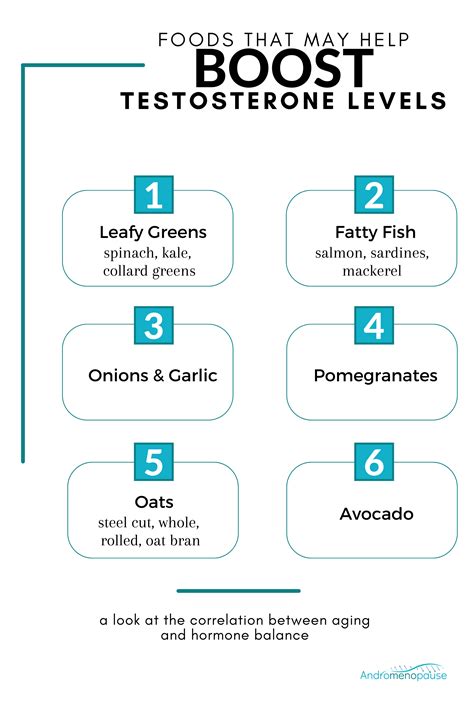
What you eat significantly impacts your body’s hormone production. A balanced diet rich in specific nutrients can provide the building blocks for optimal testosterone synthesis. Focus on whole, unprocessed foods and pay particular attention to certain micronutrients.
- Healthy Fats: Cholesterol is a precursor to testosterone. Incorporate healthy fats from sources like avocados, nuts, seeds, olive oil, and fatty fish (salmon, mackerel). Monounsaturated and saturated fats (in moderation) are particularly important.
- Zinc-Rich Foods: Zinc is a vital mineral for testosterone production. Oysters are famously high in zinc, but you can also find it in red meat, poultry, beans, nuts, and dairy.
- Vitamin D: Often called the “sunshine vitamin,” Vitamin D acts like a steroid hormone in the body and is strongly linked to testosterone levels. Get regular sun exposure or supplement with Vitamin D3, especially if you live in a region with limited sunlight. Foods like fatty fish and fortified dairy also contain some Vitamin D.
- Cruciferous Vegetables: Broccoli, cauliflower, cabbage, and Brussels sprouts contain compounds that help your body metabolize estrogen, which can in turn support healthy testosterone levels.
Conversely, limiting processed foods, excessive sugar, and unhealthy trans fats can prevent negative impacts on your endocrine system.

Exercise Smart, Not Just Hard: Boosting Testosterone Through Movement
Regular physical activity is a potent natural testosterone booster, but the type and intensity of exercise matter. Not all workouts are created equal when it comes to hormonal optimization.
- Strength Training: Lifting weights, especially compound movements like squats, deadlifts, bench presses, and rows, has been shown to significantly increase testosterone. Aim for 3-4 sessions per week, focusing on heavy lifts with lower repetitions.
- High-Intensity Interval Training (HIIT): Short bursts of intense exercise followed by brief recovery periods can also be highly effective for boosting testosterone and growth hormone, without overtaxing the body.
- Avoid Overtraining: While exercise is beneficial, excessive or prolonged endurance training (like marathon running) can sometimes lead to a decrease in testosterone due to increased cortisol (the stress hormone) production. Listen to your body and incorporate adequate rest and recovery.

The Underrated Role of Sleep: Rest for Restoration
In our fast-paced world, quality sleep is often sacrificed, but it’s a critical component of hormonal health. Studies show that insufficient sleep can drastically reduce testosterone levels.
Aim for 7-9 hours of high-quality sleep per night. To improve your sleep hygiene:
- Maintain a consistent sleep schedule.
- Create a dark, quiet, and cool bedroom environment.
- Avoid screens (phones, tablets, computers) at least an hour before bed.
- Limit caffeine and alcohol, especially in the evening.

Stress Management: Taming the Cortisol Beast
Chronic stress is a silent enemy of testosterone. When you’re stressed, your body produces cortisol. High levels of cortisol have an inverse relationship with testosterone – as cortisol goes up, testosterone often goes down. Furthermore, both hormones use the same precursors, meaning a surge in cortisol production can ‘steal’ resources needed for testosterone synthesis.
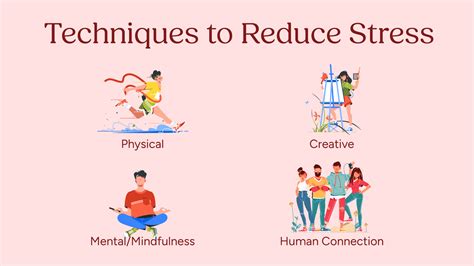
Incorporate stress-reducing practices into your daily routine:
- Mindfulness meditation.
- Deep breathing exercises.
- Yoga or tai chi.
- Spending time in nature.
- Engaging in hobbies and social activities.
Lifestyle Choices: Beyond Diet and Exercise
Several other lifestyle factors can influence your testosterone levels:
- Maintain a Healthy Weight: Obesity, particularly abdominal fat, is strongly linked to lower testosterone. Fat cells contain aromatase, an enzyme that converts testosterone into estrogen. Losing excess weight can significantly improve testosterone levels.
- Limit Alcohol Consumption: Excessive alcohol intake can interfere with testosterone production and increase estrogen levels. Moderate consumption is generally acceptable, but heavy drinking should be avoided.
- Avoid Endocrine Disruptors: Certain chemicals found in plastics (BPA, phthalates), pesticides, and personal care products can mimic hormones and disrupt your endocrine system, potentially lowering testosterone. Opt for natural alternatives where possible.

Conclusion: A Holistic Approach to Vitality
Optimizing testosterone naturally is not about a single magic bullet, but rather a holistic approach encompassing multiple facets of your lifestyle. By consistently implementing strategies related to nutrition, exercise, sleep, stress management, and overall lifestyle choices, you can significantly enhance your body’s natural ability to produce testosterone. This commitment to your well-being can lead to tangible benefits, including increased energy, improved mood, a robust libido, and an overall greater sense of vitality. Consult with a healthcare professional before making significant changes, especially if you suspect a serious underlying condition.