




Natural ways to boost T-levels for energy & strength?

Unlocking Your Vitality: Natural Approaches to Elevate Testosterone Levels
Testosterone, often associated with masculinity, plays a crucial role in both men and women’s overall health, energy, mood, strength, and sexual function. As we age, T-levels can naturally decline, leading to symptoms like fatigue, decreased muscle mass, reduced libido, and difficulty concentrating. While medical interventions exist, many individuals are seeking natural, sustainable ways to optimize their hormonal balance. The good news is that several lifestyle changes and dietary adjustments can significantly impact your testosterone production.

Dietary Foundations for Hormonal Harmony
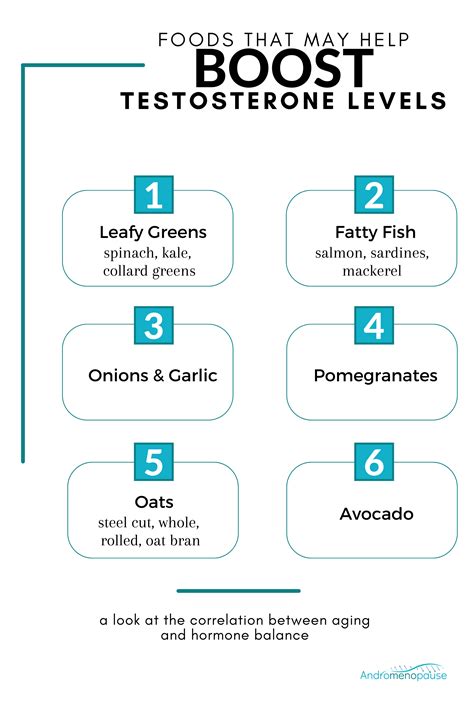
What you eat directly impacts your body’s ability to produce hormones, including testosterone. A balanced diet rich in specific nutrients is paramount. Focus on consuming healthy fats found in avocados, nuts, olive oil, and fatty fish (like salmon), which are crucial for hormone synthesis. Adequate protein intake from lean meats, eggs, and legumes supports muscle growth and recovery, indirectly influencing T-levels.
Crucial micronutrients also play a significant role. Zinc, found in oysters, red meat, and beans, is vital for testosterone production, and even a mild deficiency can affect levels. Vitamin D, often called the “sunshine vitamin,” is another powerful hormone precursor; studies link higher vitamin D levels to increased testosterone. Aim for regular sun exposure or consider supplementation under medical guidance.
Powering Up with Exercise
Regular physical activity is one of the most effective natural testosterone boosters. However, not all exercise is created equal. High-intensity interval training (HIIT) and strength training, particularly compound movements like squats, deadlifts, bench presses, and rows, have been shown to significantly increase T-levels. These exercises stimulate a greater hormonal response due to the engagement of large muscle groups.
Avoid chronic cardio or overtraining, which can sometimes lead to an increase in cortisol (the stress hormone) and a subsequent decrease in testosterone. Aim for 3-5 strength training sessions per week, allowing for adequate recovery.
Lifestyle Adjustments for Optimal Hormonal Health
Beyond diet and exercise, several lifestyle factors profoundly influence your testosterone levels:
Prioritize Quality Sleep
Sleep deprivation is a major enemy of testosterone. Most testosterone is produced during sleep, especially during REM cycles. Aim for 7-9 hours of high-quality sleep per night. Establish a consistent sleep schedule, create a dark, cool, and quiet bedroom environment, and avoid screens before bed to optimize your sleep hygiene.
Manage Stress Effectively
Chronic stress leads to elevated cortisol levels. High cortisol suppresses testosterone production, as the body prioritizes survival (fight-or-flight response) over reproductive and anabolic functions. Incorporate stress-reduction techniques into your daily routine, such as meditation, yoga, deep breathing exercises, spending time in nature, or engaging in hobbies you enjoy.

Limit Alcohol and Avoid Endocrine Disruptors
Excessive alcohol consumption can negatively impact testosterone production. Moderate intake is generally fine, but heavy drinking should be avoided. Furthermore, be mindful of endocrine-disrupting chemicals (EDCs) found in plastics (BPA, phthalates), pesticides, and certain personal care products, which can interfere with hormone function.

Natural Supplements to Consider
While a foundational diet and lifestyle are key, certain natural supplements have shown promise in supporting healthy testosterone levels:
- Ashwagandha: An adaptogenic herb that helps reduce stress and cortisol, which can indirectly support testosterone production. Some studies show direct increases in T-levels, especially in stressed or infertile men.
- Fenugreek: This herb contains compounds called furostanolic saponins, which may help stimulate testosterone production. Research suggests it can improve libido and strength.
- Zinc & Vitamin D: As mentioned, deficiencies in these can be detrimental. Supplementation can be beneficial if your dietary intake or sun exposure is insufficient.
Always consult with a healthcare professional before starting any new supplement regimen, especially if you have underlying health conditions or are taking other medications.

Conclusion
Boosting your testosterone levels naturally is a holistic endeavor that combines smart dietary choices, effective exercise strategies, and mindful lifestyle adjustments. By prioritizing nutrient-rich foods, engaging in strength-based activities, getting ample sleep, and managing stress, you can significantly enhance your body’s natural ability to produce this vital hormone. Remember that consistency is key, and individual results may vary. For personalized advice and to rule out any underlying medical conditions, always consult with a doctor or an endocrinologist.