




Natural ways for men to boost testosterone & elevate performance?

Testosterone, often hailed as the king of male hormones, plays a crucial role far beyond just sex drive. It influences muscle mass, bone density, fat distribution, red blood cell production, mood, and cognitive function. As men age, testosterone levels naturally decline, which can lead to a host of undesirable symptoms including fatigue, decreased libido, muscle loss, and mood swings. While synthetic options exist, many men are seeking natural, sustainable ways to optimize their testosterone and elevate their overall performance and well-being.
Optimize Your Diet for T-Production
Nutrition is foundational to hormone production. A diet rich in whole, unprocessed foods can significantly impact testosterone levels. Focus on a balanced intake of macronutrients: healthy fats, lean proteins, and complex carbohydrates.
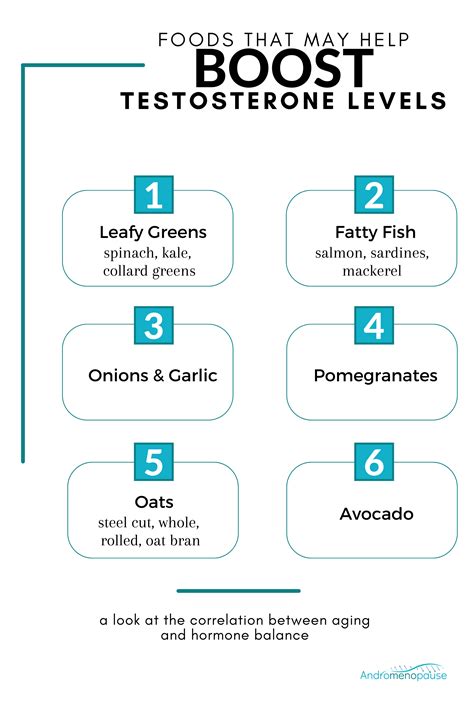
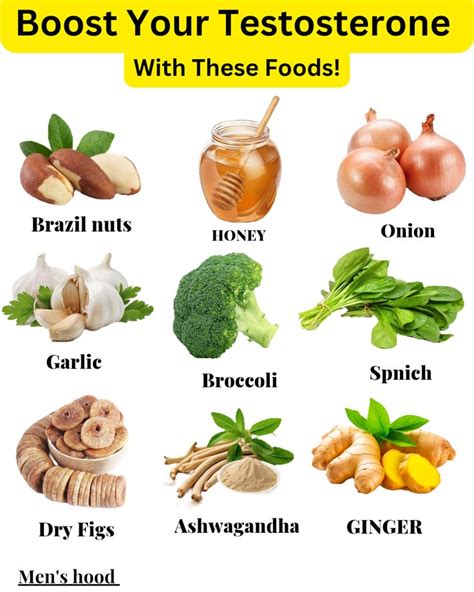
- Healthy Fats: Incorporate monounsaturated and polyunsaturated fats found in avocados, nuts, seeds, olive oil, and fatty fish. Cholesterol, a precursor to testosterone, is synthesized from these healthy fats.
- Protein Power: Adequate protein intake supports muscle growth and recovery, which indirectly aids in testosterone production. Sources include lean meats, poultry, fish, eggs, and legumes.
- Micronutrient Marvels: Zinc, magnesium, and Vitamin D are critical for testosterone synthesis. Zinc is abundant in oysters, red meat, and pumpkin seeds. Magnesium can be found in leafy greens, nuts, and whole grains. Vitamin D, often called the ‘sunshine vitamin,’ can be synthesized through sun exposure and found in fortified foods, fatty fish, and certain supplements.
Strategic Exercise for Hormonal Balance
Not all exercise is created equal when it comes to boosting testosterone. The type, intensity, and duration of your workouts play a significant role.
- Strength Training: Lifting heavy weights, especially compound movements like squats, deadlifts, bench presses, and rows, has been shown to elicit a significant increase in testosterone. Aim for 3-4 sessions per week, focusing on progressive overload.
- High-Intensity Interval Training (HIIT): Short bursts of intense exercise followed by brief recovery periods can also be effective. This type of training has been linked to increased growth hormone and testosterone levels.
- Avoid Overtraining: While exercise is beneficial, excessive or prolonged endurance training without adequate recovery can actually decrease testosterone and increase cortisol (stress hormone) levels. Balance is key.

Rest and Recovery: The Unsung Heroes
In our fast-paced world, sleep and stress management are often overlooked yet profoundly impact hormone regulation.
- Prioritize Quality Sleep: Most testosterone production occurs during sleep. Chronic sleep deprivation (less than 7-8 hours per night) can significantly lower testosterone levels. Aim for consistent, restorative sleep. Establish a regular sleep schedule, create a dark and cool sleep environment, and avoid screens before bed.
- Manage Stress Effectively: High levels of the stress hormone cortisol have a direct inverse relationship with testosterone. When cortisol is elevated, testosterone tends to drop. Incorporate stress-reduction techniques such as meditation, yoga, deep breathing exercises, spending time in nature, or engaging in hobbies you enjoy.

Lifestyle Tweaks for Enhanced Testosterone
Beyond diet, exercise, and sleep, several other lifestyle factors can influence your testosterone levels.
- Maintain a Healthy Weight: Obesity, particularly abdominal fat, is strongly linked to lower testosterone. Fat cells contain an enzyme called aromatase, which converts testosterone into estrogen. Losing excess weight can significantly improve testosterone levels.
- Limit Alcohol Intake: Excessive alcohol consumption can negatively impact the testes and liver, interfering with testosterone production and metabolism. Moderation is advised.
- Avoid Endocrine Disruptors: Exposure to certain chemicals found in plastics (BPA), pesticides, and personal care products can mimic hormones or interfere with hormone production. Choose natural alternatives where possible.
Consider Natural Supplements (With Caution)
While a holistic approach is paramount, certain natural supplements have shown promise in supporting testosterone levels in some individuals. Always consult a healthcare professional before starting any new supplement regime.
- Ashwagandha: An adaptogenic herb that may help reduce stress and improve testosterone levels, particularly in men experiencing fertility issues or high stress.
- Fenugreek: Some studies suggest fenugreek seeds may help boost testosterone and improve libido.
- D-Aspartic Acid (DAA): An amino acid that may play a role in regulating testosterone synthesis, though research results are mixed.

Conclusion
Boosting testosterone and elevating performance naturally is a multifaceted journey that requires a commitment to a healthy lifestyle. By optimizing your diet, engaging in strategic exercise, prioritizing quality sleep, effectively managing stress, and making mindful lifestyle choices, you can create an environment conducive to healthy hormone production. While results may not be immediate, consistency in these natural strategies can lead to significant improvements in energy, mood, muscle mass, libido, and overall vitality, helping men unlock their full potential and elevate their performance in all aspects of life.