




Maximize strength & performance with limited gym time?

Conquering Time Constraints: Building Strength and Performance
In our fast-paced world, finding ample time for the gym can feel like an Olympic feat in itself. Yet, the desire to build strength, improve performance, and maintain physical well-being remains strong. The good news? You don’t need endless hours to make significant progress. With smart planning and focused effort, you can absolutely maximize your results even with limited gym time.
The key lies in understanding efficiency, intensity, and consistency. Forget lengthy, drawn-out sessions; instead, focus on making every minute count. This article will guide you through the principles and practical strategies to unlock your full potential, even when the clock is ticking.

The Core Principles of Time-Efficient Training
Prioritize Compound Movements
If you’re short on time, compound movements are your best friend. These exercises work multiple muscle groups and joints simultaneously, delivering more bang for your buck than isolation exercises. Think squats, deadlifts, bench presses, overhead presses, and rows. They recruit more muscle fibers, elicit a greater metabolic response, and are more effective for building overall strength and muscle mass.
- Squats: Target quads, glutes, hamstrings, and core.
- Deadlifts: Work almost every muscle in your body, especially the posterior chain.
- Bench Press: Engages chest, shoulders, and triceps.
- Overhead Press: Builds shoulder and triceps strength.
- Rows: Strengthens back, biceps, and shoulders.

Embrace Progressive Overload
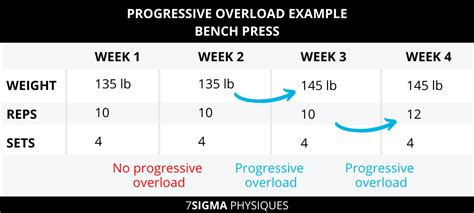
This is the fundamental principle for continuous improvement. To get stronger, you must consistently challenge your muscles beyond their current capacity. With limited time, this means focusing on quality over quantity. Aim to gradually increase the weight, reps, or sets over time, or improve your technique with the same load. Don’t just go through the motions; strive to be better than your last workout.
Methods for progressive overload include:
- Increasing the weight lifted.
- Performing more repetitions with the same weight.
- Doing more sets (if time allows).
- Decreasing rest times between sets.
- Improving exercise form and control.
Intensity Over Volume
When time is scarce, high-volume workouts are out. Instead, focus on performing fewer sets and reps with maximum effort. Short, intense workouts can be incredibly effective. Consider techniques like:
- Heavy, Low-Rep Sets: For pure strength development (e.g., 3-5 reps).
- Supersets: Performing two exercises back-to-back with minimal rest (e.g., bench press immediately followed by rows).
- Drop Sets: Starting with a heavy weight, performing reps to failure, then immediately dropping the weight and continuing for more reps.
- Rest-Pause Training: Performing a set to failure, resting briefly, then doing a few more reps with the same weight.
Smart Programming for Busy Schedules
Full-Body Workouts Are Your Friend
Instead of traditional body part splits that require multiple sessions a week to hit everything, opt for 2-3 full-body workouts. This allows you to stimulate all major muscle groups more frequently, which can be highly effective for strength and muscle growth, especially for those who can only commit to 2-3 days a week.
Track Your Progress Relentlessly
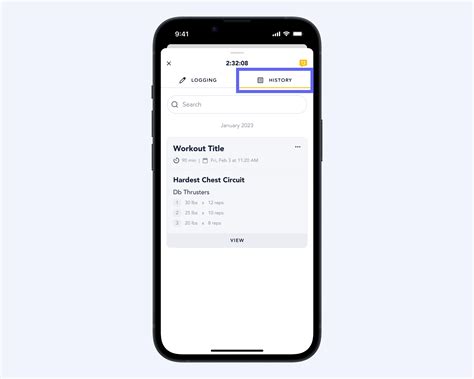
You can’t manage what you don’t measure. Keep a workout log – whether it’s a notebook or an app. Record the exercises, weights, sets, and reps for each session. This is crucial for applying progressive overload and seeing tangible evidence of your progress, keeping you motivated and on track.
Beyond the Gym: Recovery and Nutrition
The Power of Recovery
Your muscles don’t grow in the gym; they grow during recovery. With intense, short workouts, proper recovery becomes even more critical. Prioritize 7-9 hours of quality sleep per night. Consider active recovery like light walks or stretching on off days to improve blood flow and reduce soreness.
Fueling Your Performance
Your diet is just as important as your training. Focus on whole, unprocessed foods. Ensure adequate protein intake (1.6-2.2g per kg of body weight) to support muscle repair and growth, sufficient complex carbohydrates for energy, and healthy fats for overall health. Hydration is also key for performance and recovery.

Sample Limited-Time Workout Structure (3 Days/Week)
Here’s a basic template that you can adapt:
- Workout A (e.g., Monday): Squats, Bench Press, Barbell Rows, Plank
- Workout B (e.g., Wednesday): Deadlifts, Overhead Press, Pull-ups/Lat Pulldowns, Dips/Triceps Pushdowns
- Workout C (e.g., Friday): Front Squats/Leg Press, Incline Dumbbell Press, Seated Cable Rows, Romanian Deadlifts
For each main lift, aim for 3-4 sets of 5-8 reps, with 60-90 seconds rest. For accessory movements, 2-3 sets of 8-12 reps. Warm-up thoroughly before each session, and include a brief cool-down. Total time should be around 45-60 minutes per session.
Conclusion
Limited gym time is not a barrier to achieving significant strength gains and performance improvements. By focusing on compound movements, embracing progressive overload, prioritizing intensity, and optimizing your recovery and nutrition, you can build an incredibly effective and efficient training regimen. Consistency and smart execution will be your greatest allies in transforming your body and maximizing your fitness potential, no matter how packed your schedule is. Make every rep count, stay dedicated, and watch your strength soar.