




Maximize men’s strength: Best workout split for peak performance gains?
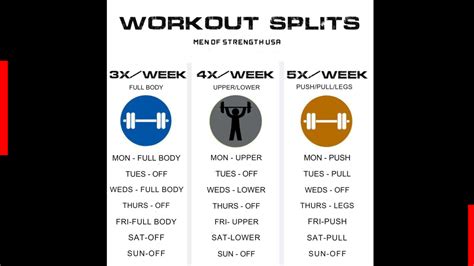
For men aiming to build formidable strength and unlock peak physical performance, the choice of a workout split is paramount. It dictates how frequently you train muscle groups, the volume per session, and ultimately, your recovery and adaptation. While there’s no single “best” split for everyone, understanding the mechanics of each popular approach can help you tailor a program that drives significant gains.
The Quest for Unrivaled Strength
Maximizing strength isn’t just about lifting heavy; it’s a symphony of intelligent programming, consistent effort, proper nutrition, and adequate recovery. A well-designed workout split is the conductor of this symphony, ensuring all muscle groups are stimulated optimally without overtraining or under-recovering. Let’s delve into the most effective splits and discover which might be your ultimate pathway to power.
Full-Body Workout Split: High Frequency, Balanced Growth
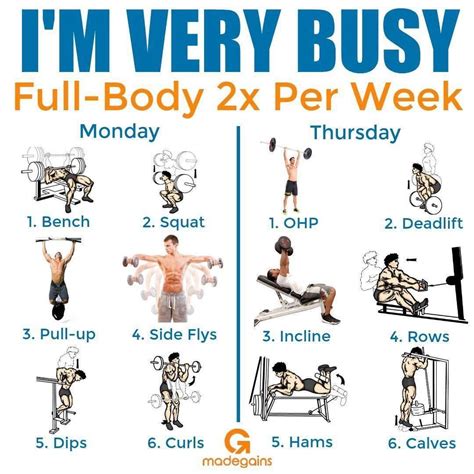
The full-body workout split involves training all major muscle groups in each session, typically 2-3 times per week. This approach allows for high frequency, meaning you stimulate each muscle more often, which can be highly beneficial for strength and muscle protein synthesis. It’s excellent for beginners and intermediates to build foundational strength and movement patterns. However, careful management of volume per session is crucial to avoid excessive fatigue.
Upper/Lower Split: Focused Volume, Adequate Recovery
This popular split divides your training days into upper body and lower body sessions, usually performed 4 days a week (e.g., Upper, Lower, Rest, Upper, Lower, Rest, Rest). The upper/lower split allows for more volume per muscle group per session than a full-body routine, while still hitting each group twice a week. This balance of frequency and volume makes it highly effective for both strength and hypertrophy, providing focused attention to muscle groups with sufficient recovery between sessions for the same body part.
Push/Pull/Legs (PPL) Split: Optimized for Muscle Group Synergy
The PPL split is a favorite among intermediate and advanced lifters, often performed 3 or 6 days a week. “Push” days target chest, shoulders, and triceps; “Pull” days focus on back and biceps; and “Legs” days hit quads, hamstrings, and calves. This split groups muscles that work synergistically, allowing for intense training of specific movement patterns while ensuring antagonist muscles and different body parts can recover. For those with consistent gym access, a 6-day PPL offers incredibly high frequency and volume per muscle group over the week, making it potent for rapid strength and muscle gains.

Body Part Split (Bro Split): Maximum Focus, Lower Frequency
Commonly known as the “bro split,” this approach dedicates an entire workout session to one or two specific muscle groups (e.g., Chest day, Back day, Leg day, Shoulder day, Arm day). While it allows for maximum volume and intensity on a single muscle group, the frequency for each muscle group is typically once a week. For pure strength maximization, especially in compound lifts, lower frequency can be a disadvantage, as strength responds well to higher frequency training. However, it can be effective for advanced bodybuilders seeking to bring up lagging body parts or for those who prefer to recover longer between direct stimulation of a specific muscle.
Choosing Your Optimal Split: Key Considerations for Men
The “best” split is highly individual and depends on several factors:
- Training Experience: Beginners often thrive on full-body or upper/lower splits due to higher frequency and skill acquisition.
- Available Time: A 3-day full-body or PPL might suit busy schedules, while a 4-day upper/lower or 6-day PPL demands more gym time.
- Recovery Capacity: Your sleep, nutrition, and stress levels dictate how much training volume you can handle. Overtraining will hinder strength gains.
- Specific Goals: Are you a powerlifter focusing on Squat, Bench, Deadlift? Or more generally looking for overall strength and muscle? Powerlifters often lean towards higher frequency of main lifts.

Beyond the Split: Critical Drivers of Strength Gains
No matter your chosen split, these foundational principles are non-negotiable for maximizing strength:
- Progressive Overload: Continuously challenge your muscles by increasing weight, reps, sets, or decreasing rest times. This is the cornerstone of strength gain.
- Nutrition: A caloric surplus (for building muscle) with adequate protein intake (1.6-2.2g per kg body weight) is essential.
- Recovery: Prioritize 7-9 hours of quality sleep. Incorporate deload weeks to manage fatigue and allow for supercompensation.
- Consistency: Adherence to your program over weeks, months, and years is more important than any single perfect workout.
- Proper Form: Lifting with good technique minimizes injury risk and maximizes muscle activation, leading to more efficient strength development.

Putting It All Together: Sample Strength-Focused Recommendations
For most men aiming to maximize strength, a split that allows for training muscle groups 2-3 times per week often yields the best results. Consider:
- 3-Day Full Body: Excellent for beginners and those with limited time, focusing on compound movements.
- 4-Day Upper/Lower: A balanced option for intermediate lifters, providing good volume and frequency.
- 6-Day Push/Pull/Legs: For advanced lifters with high recovery capacity, enabling maximal frequency and volume.

Conclusion: The Best Split is the One You Stick With
While various workout splits offer distinct advantages for strength maximization, the “best” one is ultimately the split you can consistently adhere to, that aligns with your lifestyle, and that allows for progressive overload over time. Experiment with different approaches, listen to your body, and continually adapt your training to keep the strength gains coming. Focus on compound movements, proper form, and integrate the principles of nutrition and recovery, and you’ll be well on your way to peak performance.