





Maximize hypertrophy & strength gains with limited gym time?
The Time Crunch Challenge: Building Muscle & Strength Efficiently
In today’s fast-paced world, finding ample time for the gym can feel like an Olympic sport in itself. Yet, the desire to build muscle (hypertrophy) and increase strength remains strong. The good news? You don’t need to live in the gym to make significant progress. With intelligent planning, ruthless efficiency, and a laser focus on what truly matters, you can maximize your gains even with a packed schedule.

Prioritize Compound Movements
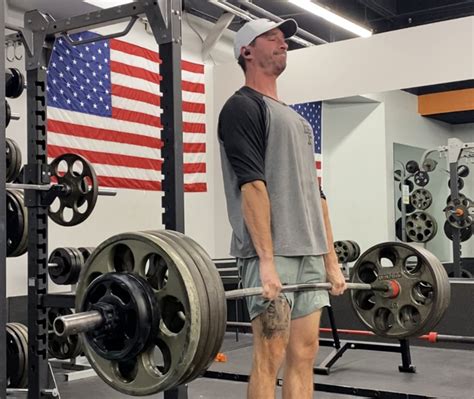
If time is your enemy, compound exercises are your best friends. These multi-joint movements (like squats, deadlifts, bench presses, overhead presses, and rows) work multiple muscle groups simultaneously, giving you the biggest bang for your buck. They stimulate more muscle fibers, allow for heavier loads, and trigger a greater hormonal response, all of which are crucial for both strength and hypertrophy.
Instead of spending an hour on isolation exercises, dedicate the bulk of your limited time to perfecting and progressively overloading these foundational lifts. Aim for 2-4 compound exercises per workout, focusing on perfect form before adding weight.
Intensity Over Volume: Make Every Rep Count
When you have less time, you have less room for junk volume. This means every set and every rep must be performed with purpose and intensity. Train close to failure (or to failure if appropriate for the exercise and your experience level) on your working sets. The goal is to provide a sufficient stimulus for muscle growth and strength adaptation without needing an exorbitant number of sets.
Techniques like RPE (Rate of Perceived Exertion) can help you gauge your effort, ensuring you’re pushing hard enough without overdoing it. A typical effective range for compound lifts might be 3-5 sets of 4-8 reps for strength, and 3-4 sets of 6-12 reps for hypertrophy, but adjust based on your specific program.

Embrace Progressive Overload Relentlessly
No matter how little time you have, progressive overload is the non-negotiable principle for continuous gains. To get stronger and bigger, you must consistently challenge your muscles more than they’re accustomed to. This could mean:
- Increasing the weight lifted.
- Performing more reps with the same weight.
- Doing more sets (if appropriate and time allows).
- Decreasing rest times.
- Improving exercise form and control.
Track your workouts! A simple logbook or app will be your greatest asset in ensuring you’re always striving to do better than your last session. Without it, you’re just guessing.
Efficient Program Design: Full-Body is Your Ally
For individuals with limited gym time (e.g., 2-3 sessions per week), a full-body workout split is often the most effective. This allows you to hit each major muscle group multiple times per week, providing frequent stimulation for growth and strength adaptation without requiring daily gym visits.
Sample 2-Day Full-Body Split:
Workout A:
- Barbell Squat: 3-4 sets x 5-8 reps
- Dumbbell Bench Press: 3-4 sets x 6-10 reps
- Barbell Row: 3-4 sets x 6-10 reps
- Overhead Press: 3 sets x 6-10 reps
- Plank: 3 sets x max hold
Workout B:
- Romanian Deadlift: 3-4 sets x 6-10 reps
- Pull-ups (or Lat Pulldowns): 3-4 sets x as many reps as possible / 8-12 reps
- Dumbbell Shoulder Press: 3 sets x 8-12 reps
- Push-ups: 3 sets x max reps
- Calf Raises: 3 sets x 10-15 reps
Rest 1-2 days between workouts. This structure ensures you hit major movement patterns and muscle groups with adequate frequency. Adjust exercises based on equipment availability and personal preference.

Smart Time-Saving Strategies
- Minimize Rest Times: Keep rest between sets relatively short (60-90 seconds for hypertrophy, 2-3 minutes for strength-focused compound lifts) to maintain intensity and get out faster.
- Supersets/Drop Sets: Pair non-competing exercises (e.g., bench press and pull-ups, or squats and planks) or use drop sets on your final set to increase workout density, but use these judiciously to avoid excessive fatigue and maintain form.
- Efficient Warm-up: A quick dynamic warm-up targeting major joints and muscles is sufficient. Save extensive stretching for after your workout or dedicated mobility sessions.
- Stay Focused: Eliminate distractions. Put your phone away, focus on your lifts, and move purposefully between sets.

Beyond the Gym: Nutrition and Recovery
Even the most efficient workouts will yield limited results without proper support outside the gym. Ensure you’re consuming enough protein (around 1.6-2.2g per kg of body weight) to support muscle repair and growth, eating a balanced diet with sufficient calories, and prioritizing quality sleep (7-9 hours per night). These factors are just as critical for maximizing gains as your training itself.

Conclusion: Consistency and Intelligence Prevail
Maximizing hypertrophy and strength gains with limited gym time isn’t about magic; it’s about making smart, informed choices. By prioritizing compound movements, training with intensity, relentlessly applying progressive overload, and designing an efficient full-body program, you can achieve remarkable results. Combine this with diligent nutrition and recovery, and you’ll prove that quality, not just quantity of time, is the true determinant of progress.