




Master your shave: Prevent razor burn for a consistently sharp, commanding presence?

Achieve the Perfect Shave, Every Time
Razor burn is more than just an unsightly irritation; it’s a common nemesis that can undermine your confidence and diminish the polished look you strive for. That angry red rash, those painful bumps – they all detract from a clean, sharp appearance. But what if you could banish razor burn from your grooming routine forever? This guide will equip you with the knowledge and techniques to achieve an impeccably smooth, irritation-free shave, ensuring you always present a commanding and refined presence.

Understanding the Enemy: What is Razor Burn?
Razor burn occurs when the skin becomes inflamed and irritated by a razor blade, often due to improper shaving techniques or unsuitable products. It manifests as redness, tenderness, stinging, and sometimes small red bumps or ingrown hairs. The primary culprits include dull blades, shaving against the grain, dry shaving, excessive pressure, and inadequate lubrication. Recognizing these causes is the first step toward prevention.
Preparation is Paramount: Setting the Stage for Success
A great shave begins long before the blade touches your skin. Proper preparation softens your hair and opens your pores, making for an easier, less irritating experience.
- Warm Water & Steam: Shave after a warm shower or apply a hot, damp towel to your face for a few minutes. This softens the whiskers and opens up follicles.
- Exfoliate Gently: Once or twice a week, use a mild facial scrub to remove dead skin cells. This prevents clogged pores and reduces the risk of ingrown hairs.
- Pre-Shave Oil: A few drops of quality pre-shave oil create an extra layer of lubrication, allowing the blade to glide more smoothly and protecting your skin from direct contact.

Arm Yourself with the Right Tools
Your shaving arsenal plays a crucial role in preventing irritation. Don’t skimp on quality.
- Sharp Blade, Always: The single most important factor. A dull blade drags, pulls, and causes micro-abrasions. Change your cartridge or safety razor blade every 5-7 shaves, or sooner if you feel any tugging.
- Quality Shaving Cream or Gel: Forget the aerosol foam. Invest in a rich, lubricating cream or gel that creates a thick lather. Look for ingredients like glycerin, shea butter, or aloe vera that provide cushion and hydration.
- Shaving Brush (Optional but Recommended): A good brush helps lift the whiskers, create a rich lather, and gently exfoliate the skin, further enhancing your prep.

Mastering Your Shaving Technique
Even with the best prep and tools, poor technique can lead to razor burn. Practice makes perfect.
- Shave with the Grain: Always start by shaving in the direction your hair grows. This is the least irritating approach. For a closer shave, a second pass across the grain (perpendicular to hair growth) might be acceptable for some, but avoid going against the grain entirely if prone to irritation.
- Light Touch, No Pressure: Let the razor do the work. Pressing down too hard causes irritation and dulls your blade faster. Hold the razor lightly and use short, controlled strokes.
- Rinse Your Blade Frequently: Clogged blades are ineffective blades. Rinse your razor under running water after every couple of strokes to clear away hair and shaving cream.
- Stretch Your Skin: Gently stretch the skin taut with your free hand to create a smooth surface, allowing the blade to glide more easily over contours.

The Essential Post-Shave Ritual
Your shave isn’t over when the last whisker falls. Post-shave care is vital for calming the skin and preventing issues.
- Cold Water Rinse: Splash your face with cold water to close pores and soothe the skin.
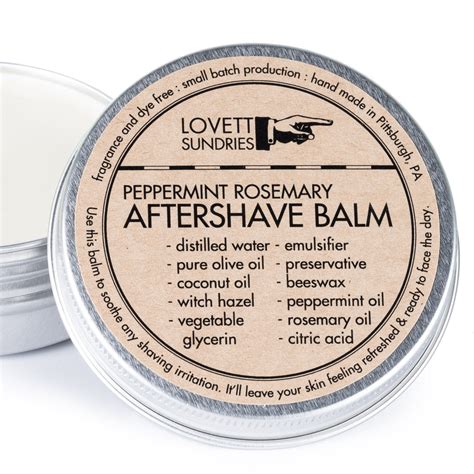
- Alcohol-Free Aftershave Balm: Avoid harsh, alcohol-based aftershaves that dry out and irritate the skin. Opt for a soothing, hydrating balm containing ingredients like aloe vera, witch hazel, or chamomile.
- Moisturize: Even if you use a balm, a good quality facial moisturizer can further hydrate and protect your skin throughout the day.
Advanced Tips and Troubleshooting
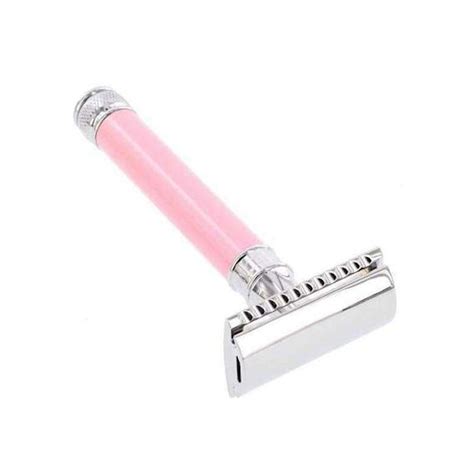
- Consider a Single-Blade Razor: For those highly prone to razor burn and ingrown hairs, a single-blade safety razor or even a straight razor can be less irritating than multi-blade cartridges, as they cut the hair at the skin’s surface rather than below it.
- Give Your Skin a Break: If irritation persists, consider shaving less frequently or allowing your skin to recover for a day or two.
- Cleanliness is Key: Always store your razor in a clean, dry place to prevent bacterial growth.
Embrace a Consistently Sharp, Commanding Presence
Preventing razor burn is not just about avoiding discomfort; it’s about perfecting your grooming routine to present your best self. By adopting these meticulous steps – from thorough preparation and using the right tools to mastering your technique and providing crucial post-shave care – you can transform your shaving experience. Bid farewell to redness and bumps, and instead, embrace a consistently smooth, sharp, and commanding presence that truly reflects your attention to detail and confidence.