




Master your shave: how to prevent razor burn for peak skin performance?

Razor burn is a common, irritating nemesis for many who shave, leaving behind redness, bumps, and discomfort. Far from a mere cosmetic issue, it signals stressed skin and can undermine confidence. Achieving a truly smooth shave that leaves your skin feeling as good as it looks requires more than just a quick swipe of a blade; it demands a mindful approach to preparation, technique, and aftercare. This guide will equip you with the knowledge and actionable steps to banish razor burn, ensuring every shave contributes to peak skin performance.
Understanding Razor Burn and Its Causes
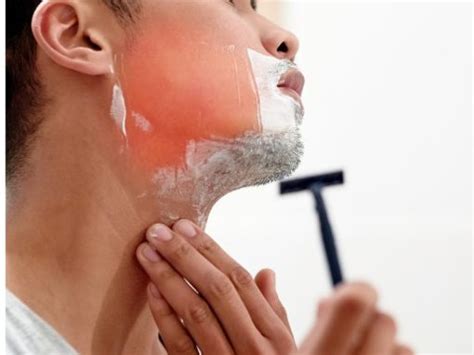
Before we can prevent razor burn, it’s crucial to understand what causes it. Razor burn, also known as pseudofolliculitis barbae, occurs when hair follicles become irritated after shaving. This irritation often stems from a combination of factors, including dull blades, dry shaving, shaving against the grain, and applying too much pressure. When a dull blade drags across the skin, it pulls at the hairs rather than cutting them cleanly, leading to micro-tears in the skin and inflammation.
Furthermore, improper skin preparation can exacerbate the issue. Shaving without adequate lubrication or on dry skin increases friction, making the skin more susceptible to damage. Hairs that are not softened before shaving are tougher to cut, forcing you to apply more pressure or make multiple passes, both of which are common culprits behind irritation and ingrown hairs.
Pre-Shave Ritual: The Foundation of a Smooth Shave
The secret to preventing razor burn begins long before the blade touches your skin. A thorough pre-shave routine softens your beard, opens pores, and prepares your skin for a smooth glide. Start by taking a warm shower or applying a hot towel to your face for a few minutes. The warmth and steam will soften the hair follicles and hydrate the skin, making the hair easier to cut.
Next, consider a gentle exfoliation. Using a facial scrub or brush a few times a week can help remove dead skin cells and lift hairs, preventing them from becoming trapped under the skin. Finally, apply a quality pre-shave oil. This creates an additional layer of lubrication between your skin and the razor, allowing for a smoother pass and minimizing friction and irritation.

The Art of Shaving: Technique Matters
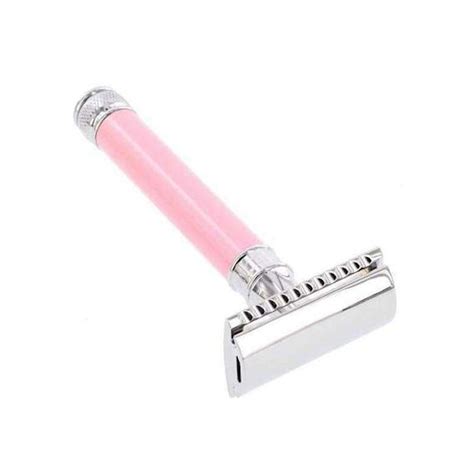
Your shaving technique is paramount in preventing razor burn. Always use a sharp, clean razor blade. Dull blades are the primary cause of tugging and skin irritation, so replace your blades regularly – typically after 5-7 uses. Apply a rich, moisturizing shaving cream or gel, ensuring full coverage to create a protective barrier and allow the razor to glide effortlessly.
Shave with the grain, in the direction your hair grows, for the first pass. This reduces tugging and minimizes irritation. If a closer shave is desired, a second pass can be made across the grain, but avoid going against the grain entirely, especially if you’re prone to razor burn. Use light, short strokes without applying excessive pressure. Let the sharpness of the blade do the work, not the force of your hand. Rinse your blade frequently to prevent clogging, which can also lead to dragging.

Post-Shave Care: Soothe and Protect
What you do immediately after shaving is just as important as your pre-shave routine. Rinse your face with cool water to close your pores and remove any remaining shaving cream or stray hairs. Gently pat your face dry with a clean towel; do not rub, as this can further irritate sensitive skin.
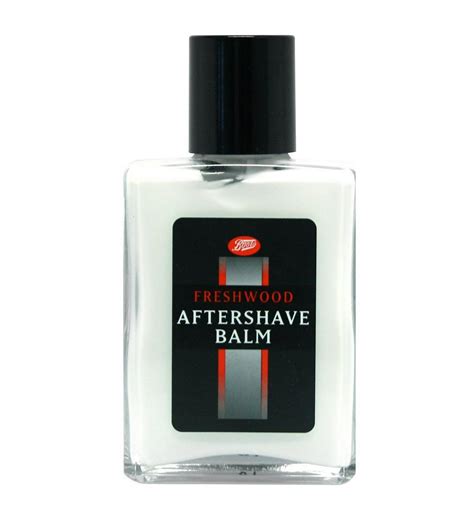
Follow up with an alcohol-free aftershave balm or moisturizer. Alcohol-based aftershaves can dry out and irritate the skin, exacerbating razor burn. Look for balms with soothing ingredients like aloe vera, witch hazel, chamomile, or tea tree oil, which help to calm redness, reduce inflammation, and hydrate the skin. Regular moisturizing keeps your skin supple and resilient, reducing the likelihood of future irritation.
Beyond the Blade: Long-Term Skin Health
Preventing razor burn is an ongoing commitment to skin health. Beyond your immediate shave routine, consider these long-term habits. Store your razor in a dry place to prevent bacterial growth and dulling of the blades. Regularly clean your shaving tools to maintain hygiene. If you consistently struggle with severe razor burn or ingrown hairs, consider alternative hair removal methods or consult a dermatologist. They can offer personalized advice and solutions for persistent skin issues.
Also, pay attention to your skin type and choose products accordingly. Sensitive skin types may benefit from hypoallergenic and fragrance-free products. Consistency in your routine is key; making these practices a regular part of your grooming regimen will yield the best results over time, leading to healthier, smoother skin with every shave.

Conclusion
Mastering your shave and preventing razor burn is an achievable goal that transforms a chore into a ritual of self-care. By understanding the causes, adopting a meticulous pre-shave routine, refining your shaving technique, and committing to proper post-shave care, you can eliminate irritation and enjoy the benefits of consistently smooth, healthy skin. Embrace these strategies, and you’ll not only banish razor burn but also elevate your overall grooming experience, achieving peak skin performance every single day.