





How to structure workouts for rapid strength gains and peak physical performance?

Beyond Just Lifting: The Science of Strength Programming
Achieving rapid strength gains and reaching peak physical performance isn’t just about training hard; it’s about training smart. A haphazard approach, while it might yield initial results, will quickly lead to plateaus, burnout, and potential injury. The key lies in a well-thought-out, progressive workout structure that systematically challenges your body and allows for optimal adaptation and recovery. This guide will delve into the core principles of structuring your workouts for maximum strength and performance.
The Cornerstone: Progressive Overload
At the heart of any effective strength program is the principle of progressive overload. Simply put, for your muscles to grow stronger, you must continually expose them to greater levels of stress over time. This doesn’t just mean adding more weight; it encompasses various methods:
- Increasing Resistance: The most common method – lifting heavier weights.
- Increasing Reps: Performing more repetitions with the same weight.
- Increasing Sets: Adding more total sets for a given exercise or muscle group.
- Increasing Frequency: Training a muscle group more often throughout the week.
- Decreasing Rest Times: Performing the same work in less time (can shift focus more towards endurance).
- Increasing Time Under Tension: Slowing down the eccentric or concentric phases of a lift.
Without progressive overload, your body has no reason to adapt and get stronger. It’s the non-negotiable driver of all strength improvements.

Periodization: Planning for Long-Term Success
While progressive overload is constant, its application should vary. This is where periodization comes in. Periodization is the systematic planning of training variables (volume, intensity, exercise selection) over various cycles to optimize performance at specific times, prevent overtraining, and avoid plateaus. It typically breaks down into:
- Macrocycle: The overall training plan (e.g., a year).
- Mesocycle: Smaller phases within the macrocycle, focusing on specific goals (e.g., a 4-8 week block focusing on hypertrophy, then strength, then power).
- Microcycle: The shortest phase, typically a week or two, outlining daily workouts.
Common periodization models include linear (gradually increasing intensity while decreasing volume), undulating (varying intensity and volume daily or weekly), and block periodization (sequential blocks focusing on distinct qualities). The right model depends on your experience, goals, and sport demands.
Smart Exercise Selection and Optimal Volume
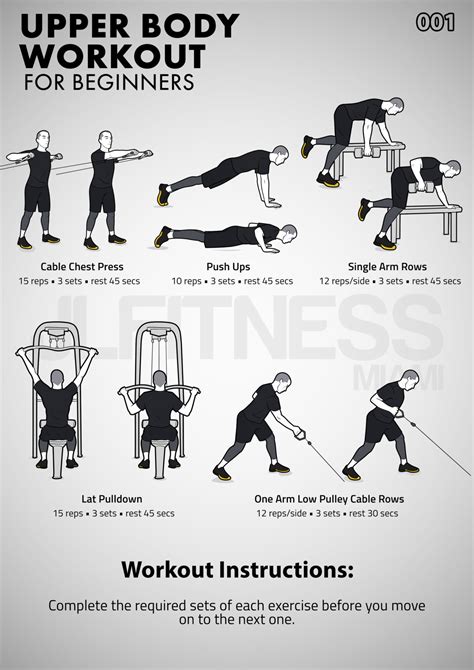
For rapid strength gains, prioritize compound exercises that engage multiple muscle groups and joints simultaneously. These movements allow you to lift the heaviest loads and provide the greatest systemic stimulus. Examples include:
- Squats (various forms)
- Deadlifts (various forms)
- Bench Press
- Overhead Press
- Rows (barbell, dumbbell, cable)
- Pull-ups/Chin-ups
Incorporate isolation exercises strategically to address weak points or enhance specific muscle development, but they should complement, not replace, your main compound lifts. For strength, focus on lower rep ranges (1-6 reps) with higher intensity (80-95% of 1RM), while hypertrophy (muscle growth) benefits from moderate rep ranges (6-12 reps).
Intensity, Rest, and Recovery: The Unsung Heroes
The intensity of your sets is crucial. Tools like Rate of Perceived Exertion (RPE) or Reps in Reserve (RIR) can help ensure you’re pushing hard enough without going to failure every set, which can be overly fatiguing. For strength, you generally want to be 1-3 RIR from failure on most working sets.
Adequate rest between sets is equally important. For maximal strength work, longer rest periods (3-5 minutes) allow for greater recovery of ATP (adenosine triphosphate) stores, enabling you to maintain high intensity across sets. Shorter rest periods are more beneficial for hypertrophy and muscular endurance.
Finally, recovery outside the gym is paramount. Prioritize 7-9 hours of quality sleep per night, as this is when most muscle repair and growth occurs. Your nutrition must support your training goals, providing sufficient protein for muscle repair and carbohydrates for energy. Hydration also plays a critical role in performance and recovery.
Structuring Your Weekly Plan
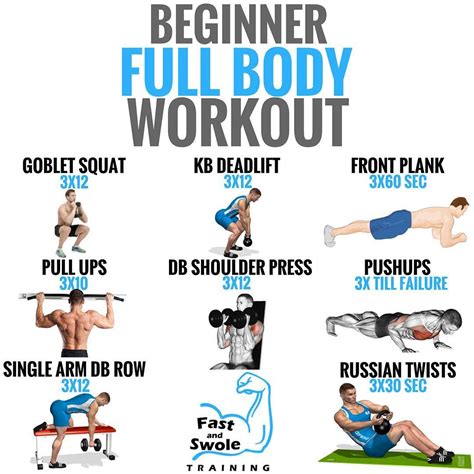
Your weekly workout split should align with your recovery capacity and training frequency goals. Common effective splits for strength include:
- Full Body (2-3 times/week): Excellent for beginners and those who can’t train frequently. Allows for high frequency of hitting muscle groups.
- Upper/Lower (4 times/week): A great intermediate option, balancing frequency with volume per session.
- Push/Pull/Legs (PPL) (3 or 6 times/week): Popular for those who can train more frequently, allowing for higher volume per muscle group.
Regardless of the split, ensure a balance of pushing, pulling, and leg exercises. Don’t neglect antagonistic muscle groups to prevent imbalances and reduce injury risk.

Listening to Your Body and Adapting
No program is set in stone. Consistently track your lifts, reps, and sets. Pay attention to how your body feels. If you’re consistently feeling rundown, experiencing joint pain, or seeing a drop in performance, it might be time for a deload week (reducing volume and intensity significantly) or a complete break. Adapt your program based on your progress, recovery, and individual response. The best program is the one you can stick to consistently and that allows for continuous progress.
Conclusion
Structuring your workouts for rapid strength gains and peak performance is a methodical process. By understanding and applying principles like progressive overload, periodization, smart exercise selection, and prioritizing recovery, you can build a robust training plan. Consistency, patience, and a willingness to adapt are your most powerful tools on the path to unlocking your full physical potential.