





How to safely push workout limits for elite strength & muscle gains?
Mastering the Edge: Pushing Limits for Peak Performance
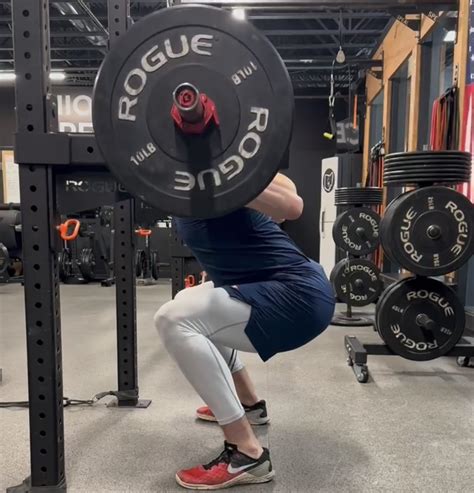
For those striving for elite strength and significant muscle gains, the journey inevitably involves pushing past comfort zones. However, this pursuit of new personal bests must be meticulously balanced with an unwavering commitment to safety. The line between challenging your body for growth and overtraining or injury is remarkably thin. This guide delves into the strategic and safe methods top athletes and lifters employ to break through plateaus and unlock their full potential.
The Cornerstone: Intelligent Progressive Overload
At the heart of all strength and muscle development lies progressive overload – the principle of continually increasing the demands on your musculoskeletal system. This isn’t just about adding more weight; it encompasses a variety of methods: increasing repetitions, sets, decreasing rest times, improving exercise form, or increasing training frequency and density. The key is to apply this principle intelligently, ensuring each increase in demand is manageable and executed with perfect form.
Rushing to add weight before mastering technique is a fast track to injury. Instead, focus on small, consistent increments that allow your body to adapt and grow stronger without being overwhelmed. Listening to your body’s feedback is paramount; some days might call for lighter loads or fewer reps to maintain good form and prevent burnout.

Pillars of Safe Limit Pushing
Impeccable Form and Technique
No amount of weight or reps will compensate for poor form. Prioritize perfect execution of every lift. This not only engages the target muscles more effectively but also drastically reduces the risk of injury. If your form breaks down, it’s a clear sign you’ve either gone too heavy or done too many reps. Always choose a weight that allows for controlled movement through the full range of motion.
Strategic Periodization and Deloads
Continuously pushing your limits without relief can lead to overtraining, diminishing returns, and increased injury risk. Periodization involves structuring your training into cycles with varying intensity and volume. Crucially, integrate deload weeks – periods of reduced intensity or volume – to allow your body and central nervous system to recover fully. This strategic step back often leads to a significant leap forward in strength and performance when you resume your regular training.

Listening to Your Body: RPE and Fatigue Management
Develop a keen awareness of your body’s signals. Use tools like the Rate of Perceived Exertion (RPE) scale to gauge how hard you’re working. Training to an RPE of 8-9 often provides sufficient stimulus for growth without pushing to absolute failure every session, which can be overly taxing. Pay attention to persistent fatigue, joint pain, or significant drops in performance – these are all indicators that you might need more rest or a change in your training approach.
Advanced Techniques for Breaking Plateaus
Once foundational strength and technique are solid, advanced techniques can provide the extra stimulus needed to overcome plateaus. These should be used sparingly and strategically, as they are highly demanding:
- Drop Sets: Perform a set to failure, then immediately reduce the weight and continue with more reps.
- Supersets/Giant Sets: Performing two or more exercises back-to-back with minimal rest to increase training density and metabolic stress.
- Forced Reps: With the help of a spotter, push past failure for a few extra repetitions. Use with caution and only on specific exercises.
- Negatives/Eccentric Training: Focus on the lowering phase of an exercise, which can handle more load and stimulate unique growth pathways.
Always ensure you have a competent spotter when attempting techniques that push you to or past muscular failure, especially with heavy compound lifts.

The Critical Role of Recovery and Nutrition
Your ability to push limits in the gym is directly proportional to your recovery outside of it. Adequate sleep (7-9 hours), a nutrient-dense diet, and proper hydration are non-negotiable. Fuel your body with sufficient protein for muscle repair and growth, complex carbohydrates for energy, and healthy fats for hormone production and overall health.
Consider targeted supplementation (e.g., creatine, protein powder, omega-3s) if your diet has gaps or to optimize performance and recovery, but always remember they complement, rather than replace, a solid nutritional foundation.
Cultivating the Elite Mindset
Achieving elite strength and muscle gains is as much a mental game as it is physical. Develop mental resilience, consistency, and patience. Understand that progress isn’t linear; there will be setbacks and plateaus. Embrace the process, stay disciplined, and focus on long-term growth rather than instant gratification. Visualize success and approach each workout with purpose and intensity.

Conclusion: Sustainable Growth at the Edge
Safely pushing your workout limits for elite strength and muscle gains requires a holistic approach that integrates intelligent training strategies, impeccable form, strategic recovery, optimal nutrition, and a resilient mindset. By respecting your body’s capabilities and limitations while consistently striving for more, you can continually evolve, break through barriers, and achieve the remarkable physical transformations you seek, all while minimizing the risk of injury and ensuring a long, healthy training career.