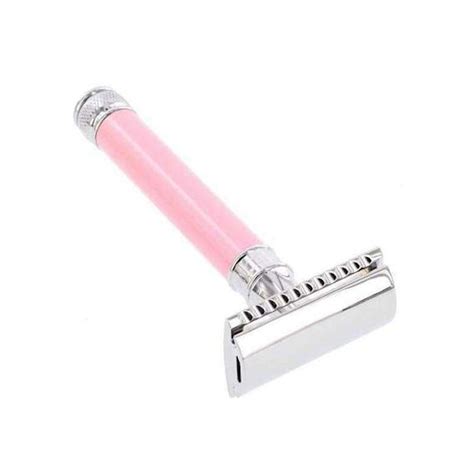





How to prevent razor burn for a smooth, peak-performance shave?

Understanding Razor Burn and Its Impact
Razor burn, characterized by redness, irritation, and sometimes painful bumps, is a common affliction for anyone who shaves. It’s not just an aesthetic issue; it can lead to discomfort, ingrown hairs, and compromise the overall health of your skin. Achieving a smooth, irritation-free shave is not just about looking good, but feeling good, enhancing confidence, and allowing you to perform at your best without the distraction of skin irritation.
Fortunately, preventing razor burn is entirely within your control. By adopting a meticulous approach to your shaving routine, from preparation to post-shave care, you can transform your shaving experience from a chore fraught with irritation into a refreshing ritual that leaves your skin feeling smooth and looking healthy.

The Art of Preparation: Setting the Stage for Success
The foundation of a peak-performance shave lies in proper preparation. Rushing this crucial step is a common mistake that often leads to razor burn.
- Warm Water & Exfoliation: Begin by washing your face with warm water or taking a hot shower. The warmth helps to open pores and soften your hair follicles, making them easier to cut. Consider a gentle exfoliant 1-2 times a week to remove dead skin cells and lift ingrown hairs, preventing them from getting trapped under the skin during shaving.
- Pre-Shave Oil: A quality pre-shave oil creates a protective barrier between your skin and the blade. It lubricates the skin, allowing the razor to glide more smoothly, and further softens the stubble for an easier cut. Apply a small amount and massage it into the areas you plan to shave.
- Lather Up with Quality Shave Cream: Use a rich, moisturizing shave cream or gel, applied with a brush if possible, to create a dense lather. This further lifts the hairs, provides lubrication, and keeps the skin hydrated, ensuring the razor can cut effectively without dragging or pulling.

Mastering the Shaving Technique
With your skin and hair perfectly prepped, the actual shaving technique becomes paramount.
- Sharp Blade is Non-Negotiable: A dull blade is the primary culprit behind razor burn and tugging. Change your razor blade every 5-7 shaves, or sooner if you feel any pulling. A fresh, sharp blade cuts hair cleanly with less effort, minimizing irritation.
- Shave with the Grain: For most people, shaving with the grain (in the direction of hair growth) is the best way to prevent irritation. While shaving against the grain might offer a closer shave, it increases the risk of razor burn and ingrown hairs. If you need a closer shave, re-lather and go across the grain on a second pass, but avoid going against the grain if you’re prone to irritation.
- Light Pressure, Short Strokes: Let the sharp blade do the work. Apply minimal pressure and use short, controlled strokes. Pressing too hard can cause the blade to dig into your skin, leading to nicks and irritation. Rinse your blade frequently under warm water to clear away hair and cream buildup.

The Essential Post-Shave Ritual
Your work isn’t done once the razor is put away. Post-shave care is critical for calming the skin and locking in moisture.
- Rinse with Cold Water: After shaving, rinse your face thoroughly with cold water. This helps to close pores and soothe the skin, reducing redness and inflammation.
- Alcohol-Free Aftershave Balm: Skip alcohol-based aftershaves, which can dry out and irritate freshly shaved skin. Instead, opt for a soothing, alcohol-free aftershave balm or lotion containing ingredients like aloe vera, witch hazel, or chamomile. These ingredients help to calm, hydrate, and protect your skin.
- Moisturize Regularly: Even on non-shaving days, keep your skin hydrated with a good moisturizer. Well-moisturized skin is more resilient and less prone to irritation.

Razor Maintenance and Hygiene
Maintaining your tools is as important as your technique.
- Clean and Store Properly: After each shave, thoroughly rinse your razor to remove all hair and lather. Store it in a dry, well-ventilated area to prevent rust and bacterial growth. Many razors come with a stand or wall mount, which is ideal.
- Regular Blade Replacement: As mentioned, replace your blade frequently. A fresh blade is your best defense against razor burn. For those with sensitive skin or coarse hair, even more frequent changes might be necessary.

Conclusion: Embrace the Smooth Shave
Preventing razor burn isn’t about expensive products alone; it’s about consistency and understanding your skin. By integrating these preparatory steps, refining your shaving technique, and committing to proper post-shave and razor care, you can virtually eliminate razor burn and achieve that coveted, smooth, peak-performance shave every time. Enjoy the confidence that comes with healthy, irritation-free skin.